
7 Unexpected Ways to Use Simply Asia Seasoning in Your Kitchen
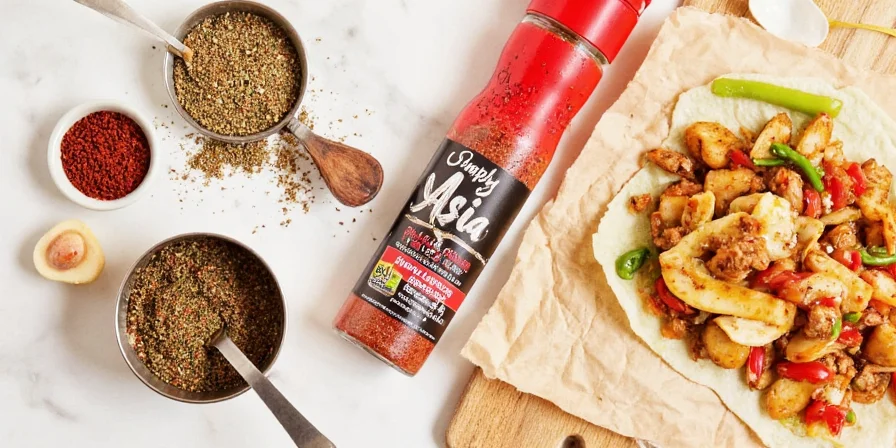
Photo: The star of the show – Simply Asia Seasoning!
Introduction: More Than Just a Stir-Fry Staple
Let’s face it — when you think of Simply Asia seasoning, your brain probably jumps straight to quick stir-fries and instant noodles. But what if I told you this humble bottle could do so much more than jazz up your Tuesday night tofu?
From breakfast hacks to dessert twists, Simply Asia seasoning is like that friend who looks quiet at first but turns out to be the life of the party once you know them better.
Why This Little Bottle Packs a Big Punch
Beneath its modest packaging lies a blend of soy sauce powder, sesame oil, garlic, ginger, and chili flakes — a flavor trifecta that can elevate everything from meat to mushrooms.
- Savory umami from soy powder
- Earthy warmth from ginger and garlic
- A subtle kick from chili
7 Creative Uses for Simply Asia Seasoning You Probably Never Tried
1. Boost Your Breakfast Game
Tired of boring eggs? Add a dash of Simply Asia seasoning to scrambled eggs or avocado toast for an instant flavor lift.
- Scramble with a sprinkle
- Top your toast before serving
- Mix into egg salad for lunch-on-the-go
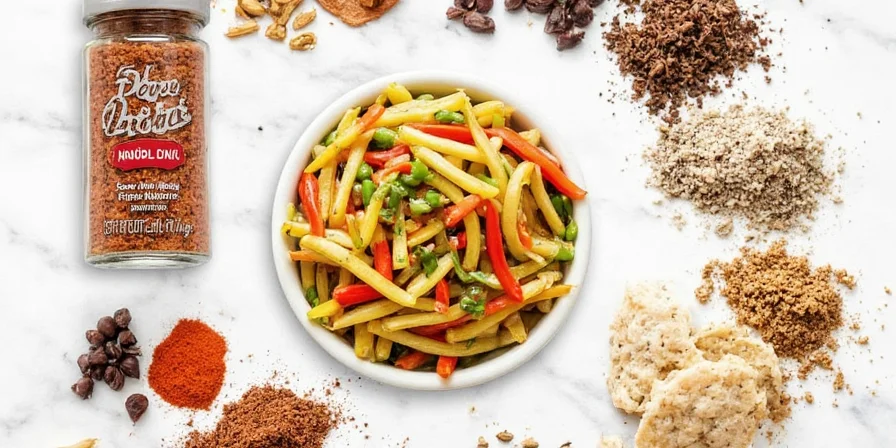
Photo: Asian-inspired breakfast done right
2. Turn Veggies into Stars
We all know veggies can be bland. Enter: Simply Asia seasoning. Toss your broccoli, cauliflower, or snap peas with a bit of oil and seasoning before roasting or sautéing.
Pro Tip: Sprinkle after cooking for a fresher aroma!
3. Spice Up Your Salad Dressings
Dump the store-bought stuff and make your own dressings with this secret weapon:
| Ingridient | Quantity | Purpose |
|---|---|---|
| Olive Oil | ¼ cup | Base |
| Rice Vinegar | 2 tbsp | Acidity |
| Simply Asia Seasoning | 1 tsp | Flavor bomb |
| Honey | 1 tsp | Sweet balance |
4. Make Meat Marvelous
Use it as a dry rub or mix into marinades for beef, chicken, or pork. It adds depth without overpowering the protein.
- Chicken wings get a savory glow-up
- Beef strips for tacos? Yes please.
Photo: Wings worthy of a food blog feature
5. Elevate Grains and Legumes
Quinoa, brown rice, lentils — you name it. Stir in a pinch after cooking or use it to season while they simmer.
- Lentil bowls
- Cumin-free fried rice
- Spiced couscous
6. Jazz Up Dips and Spreads
Mayo, hummus, sour cream — give these staples an Asian twist with a few shakes of Simply Asia seasoning.
- Spicy mayo for sushi bowls
- Dip for roasted carrots or cucumber slices
- Spread for wraps and sandwiches
7. Sweet & Savory Fusion Magic
Yes, really. Try adding a pinch to chocolate bark or caramel drizzle for a sweet-salty contrast.
- Dark chocolate + sesame seeds + Simply Asia = heaven
- Drizzle over popcorn for movie night magic
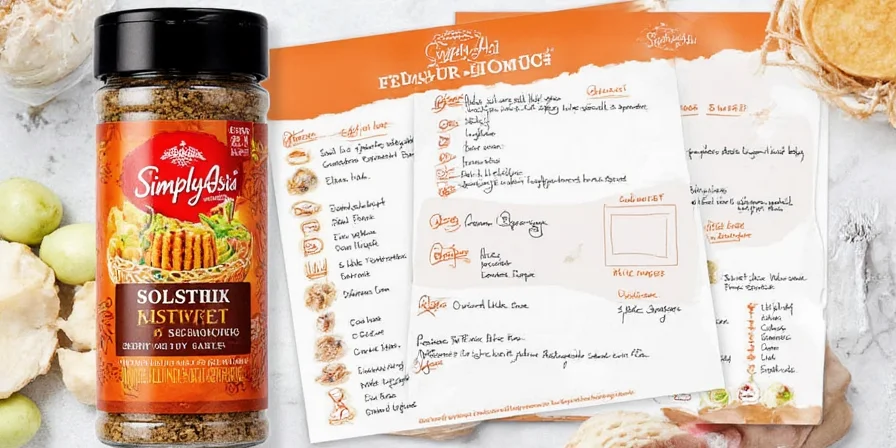
Photo: Popcorn never looked this good
Quick Reference Table: Simply Asia Seasoning vs. Other Pantry Staples
| Feature | Simply Asia Seasoning | Regular Soy Sauce | Teriyaki Marinade |
|---|---|---|---|
| Texture | Dry, granular | Liquid | Thick, syrupy |
| Shelf Life | Longer due to dry form | Open fridge shelf-life ~6 months | ~3-6 months open |
| Versatility | Very high | Medium | Low |
| Usage Type | All-purpose flavor booster | Salting agent + flavor | Mainly marinade/dip |
| Best For | Dry rubs, blends, sprinkling | Cooking sauces, soups | Glazing meats, dipping |
Storage Tips: Keep That Flavor Fresh
- Store in a cool, dry place away from moisture
- No need to refrigerate
- Use within 12–18 months for peak flavor
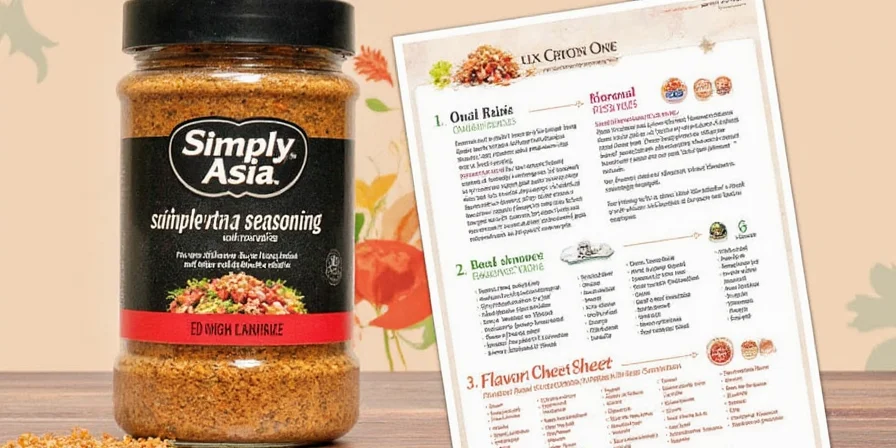
Photo: A spice shelf dreams are made of
Conclusion: Think Beyond the Box
Simply Asia seasoning isn’t just a shortcut ingredient — it’s a full-blown flavor toolkit. Whether you’re meal-prepping or hosting friends, don’t underestimate the power of this little bottle.
So next time you reach for it, remember: you're not just making dinner — you're creating a mini culinary adventure.
Now go ahead, shake things up — literally!




 浙公网安备
33010002000092号
浙公网安备
33010002000092号 浙B2-20120091-4