
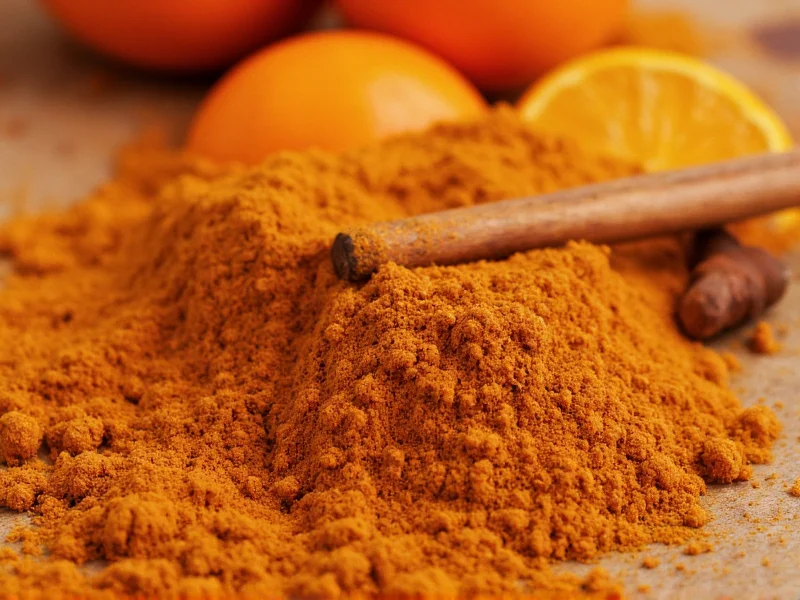
Understanding Spice Orange in Culinary Applications
Spice orange isn't a single product but rather a category of flavoring techniques using different parts of the orange fruit. The most valuable component is the zest—the colorful outer layer of the peel containing essential oils that deliver concentrated citrus flavor without bitterness. Professional chefs and home cooks alike prize orange zest for its ability to enhance dishes with bright, complex notes that juice alone cannot provide.
When properly prepared, spice orange offers a distinctive aromatic quality that transforms ordinary recipes. The white pith beneath the zest contains bitter compounds, which is why careful preparation matters. Understanding how to select, prepare, and incorporate orange elements separates adequate cooking from exceptional culinary results.
Different Forms of Spice Orange
Chefs utilize several forms of spice orange depending on the application:
- Fresh orange zest - Grated outer peel used immediately for maximum volatile oil retention
- Dried orange peel - Preserved peel that concentrates flavor and extends shelf life
- Candied orange peel - Sugar-preserved peel used in baking and confections
- Orange essential oil - Highly concentrated flavoring requiring careful measurement
- Orange spice blends - Combinations with complementary spices like cinnamon or cardamom
| Form | Best Uses | Flavor Intensity | Shelf Life |
|---|---|---|---|
| Fresh zest | Baking, sauces, dressings | ★★★★★ | 24-48 hours refrigerated |
| Dried peel | Teas, stews, spice rubs | ★★★☆☆ | 6-12 months airtight |
| Candied peel | Desserts, chocolate garnishes | ★★★☆☆ | 2-3 months refrigerated |
| Essential oil | Confections, beverages | ★★★★★ | 1-2 years dark container |
Optimal Flavor Pairings for Spice Orange
Understanding how to pair spice orange with complementary ingredients elevates your culinary creations. The bright acidity and aromatic compounds in orange zest interact beautifully with specific flavor profiles:
Sweet applications: Orange zest enhances chocolate desserts remarkably well, cutting through richness while adding complexity. When making homemade orange spice blends for baking, combine zest with cinnamon, nutmeg, and a pinch of cloves for holiday treats. For lighter desserts, pair with vanilla, almond, or berries—particularly raspberries and blackberries.
Savory applications: In Mediterranean cuisine, dried orange peel appears in tagines and spice rubs for lamb. Combine orange zest with cumin, coriander, and paprika for Middle Eastern-inspired dishes. For Asian applications, balance orange with ginger, garlic, and soy sauce in marinades. The citrus notes cut through fatty meats while complementing herbal elements.
Professional chefs often recommend adding spice orange near the end of cooking to preserve volatile aromatic compounds. When making orange spice blend recipes, toast whole spices first before adding zest to maximize flavor integration.
Preparing and Storing Spice Orange Properly
Proper preparation ensures optimal flavor and safety when using orange as a spice. Always select organic oranges when making your own zest, as conventional oranges often have wax and pesticide residues on the peel. Use a fine grater or specialized zester to remove only the colored portion of the peel, avoiding the bitter white pith.
For dried orange peel storage methods, slice the peel into thin strips and dehydrate at 140°F (60°C) for 2-4 hours until brittle. Store in airtight containers away from light and moisture. Properly dried orange peel maintains potency for 6-12 months when stored correctly.
Freezing is another excellent preservation method for how to use orange zest in cooking long-term. Place freshly grated zest in ice cube trays with a small amount of water or oil, then transfer frozen cubes to freezer bags. This technique preserves flavor for up to 6 months while providing pre-measured portions for recipes.
Health Benefits of Culinary Orange Spices
Beyond flavor, spice orange offers notable nutritional advantages. Orange zest contains higher concentrations of certain beneficial compounds than the fruit's interior. Limonene, the primary essential oil in orange peel, demonstrates antioxidant properties in scientific studies. The peel also contains significant dietary fiber and vitamin C when consumed in culinary applications.
Research suggests that compounds in citrus peel may support digestive health and provide anti-inflammatory benefits. While spice orange shouldn't replace medical treatments, incorporating it into a balanced diet contributes to overall nutritional diversity. Remember that these benefits apply to culinary use in normal food quantities, not concentrated supplements.
Contextual Limitations and Safety Guidelines
While spice orange enhances many culinary creations, understanding its boundaries ensures safe and effective use. Research and regulatory bodies provide critical guidelines for specific contexts:
- Allergy Considerations: Citrus allergies, though uncommon, can cause reactions ranging from mild oral symptoms to anaphylaxis. The American College of Allergy, Asthma, and Immunology identifies citrus as a potential allergen for sensitive individuals, noting it's less prevalent than top allergens but requiring caution. Source: ACAAI Food Allergy Guidelines
- Medication Interactions: Compounds in orange peel may interfere with certain medications. The U.S. Food and Drug Administration warns that citrus products can inhibit CYP3A4 enzymes, potentially increasing blood levels of drugs like statins and calcium channel blockers. Consult healthcare providers when consuming spice orange regularly while on medication. Source: FDA Drug Interaction Guidelines
- Heat Sensitivity: Volatile aromatic compounds in fresh zest degrade rapidly above 176°F (80°C). A study in the Journal of Agricultural and Food Chemistry confirms significant limonene loss during prolonged high-heat cooking, recommending addition in the final minutes for optimal flavor retention. Source: Thermal Degradation of Citrus Essential Oils, 2005
- Storage Realities: Despite common recommendations, the National Center for Home Food Preservation emphasizes that dried citrus peel stored at room temperature loses potency within 3-6 months. Refrigeration extends usability to 12 months, while freezing maintains quality for up to 18 months. Source: NCHFP Drying Fruits Guide
Avoiding Common Spice Orange Mistakes
Even experienced cooks make errors with spice orange that diminish results. The most frequent mistake involves using non-organic oranges for zest, potentially introducing pesticides and waxes into dishes. Another common error is overusing orange zest, which can create overpowering bitterness rather than bright citrus notes.
Improper storage significantly reduces flavor intensity. Exposure to air, light, and moisture degrades the essential oils that give spice orange its distinctive character. When making homemade orange spice blends, add zest after toasting other spices to preserve volatile compounds.
Understanding how much orange zest equals orange extract matters for recipe accuracy. Generally, 1 teaspoon of zest equals ¼ teaspoon of orange extract, but this varies by freshness and orange variety. Always adjust to taste rather than relying strictly on measurements.
Seasonal Applications of Spice Orange
Spice orange shines differently across seasons. In spring and summer, fresh zest enhances light desserts and salad dressings. During fall, dried orange peel becomes essential in pumpkin spice variations and apple-based recipes. Winter applications feature prominently in holiday baking and mulled beverages.
Chefs specializing in seasonal cooking recommend preserving summer orange harvests through drying and freezing techniques. This practice ensures access to high-quality spice orange year-round while supporting sustainable cooking practices. When exploring orange spice blend recipes, consider how seasonal ingredients might complement the citrus notes.
Historical Evolution of Spice Orange
The culinary use of orange peel as a spice spans centuries, with documented practices evolving alongside global trade routes and agricultural developments. Key milestones include:
| Time Period | Key Development | Historical Evidence |
|---|---|---|
| 15th Century | Sweet oranges (Citrus sinensis) cultivated across Mediterranean Europe after introduction from Asia. Dried orange peel becomes a valued trade commodity and culinary staple. | UC ANR Citrus History Documentation |
| 1747 | Hannah Glasse's influential cookbook "The Art of Cookery Made Plain and Easy" features multiple recipes using dried orange peel for flavoring meats, desserts, and preserves. | British Library Archival Record |
| Early 20th Century | USDA begins systematic documentation of citrus peel utilization, noting its role in food preservation and flavor enhancement in commercial baking. | USDA Yearbook of Agriculture, 1925 (p.321) |
This evolution reflects spice orange's transition from a luxury trade item to an accessible culinary staple, driven by agricultural expansion and scientific understanding of flavor chemistry.
Frequently Asked Questions
Can I use regular oranges for making spice orange?
For optimal safety and flavor, use organic oranges when preparing spice orange. Conventional oranges often have wax coatings and pesticide residues on the peel that aren't suitable for consumption. If organic isn't available, thoroughly scrub and soak non-organic oranges before zesting.
How much zest does one orange typically yield?
A medium-sized orange typically yields 1-2 tablespoons of zest, depending on thickness of the peel and grating technique. The exact amount varies by orange variety, with navel oranges generally providing more zest than Valencia varieties.
What's the difference between orange zest and orange extract?
Orange zest is the grated outer peel containing natural oils, while orange extract is a concentrated flavoring made by steeping zest in alcohol. One teaspoon of zest generally equals ¼ teaspoon of extract, but extracts provide more consistent flavor in baking applications.
Which spices pair best with orange in savory dishes?
For savory applications, orange complements cumin, coriander, paprika, and garlic exceptionally well. In Middle Eastern cuisine, combine with cinnamon and allspice. For Asian-inspired dishes, pair with ginger and star anise. The bright citrus notes cut through rich meats while enhancing herbal elements.
How can I tell if my dried orange peel has gone bad?
Dried orange peel loses potency when it turns brown, becomes brittle beyond flexibility, or develops a stale, musty smell. Properly stored dried peel should retain vibrant color and strong citrus aroma. If it lacks fragrance when rubbed between fingers, it's time to replace it.




 浙公网安备
33010002000092号
浙公网安备
33010002000092号 浙B2-20120091-4