
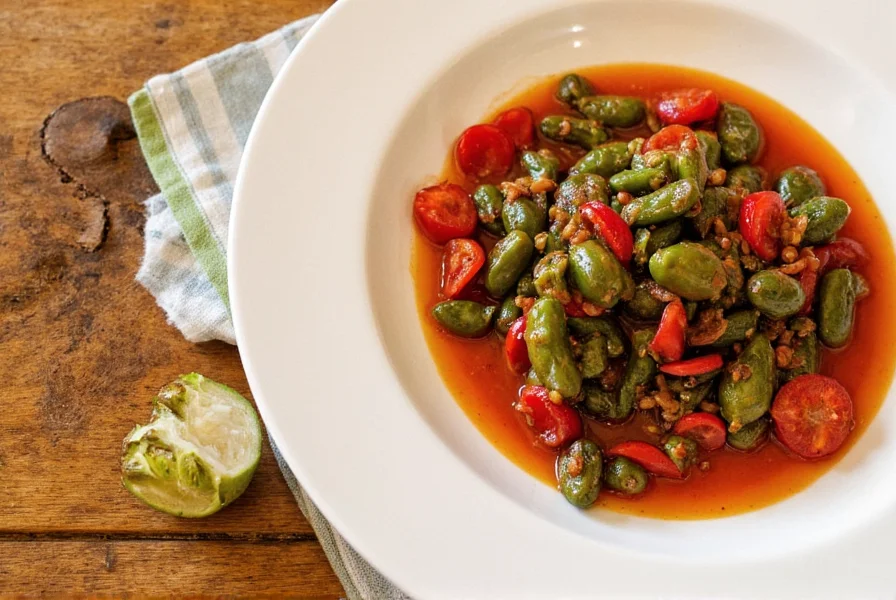
These slender green peppers have become a staple on restaurant menus worldwide, but preparing perfect shishito peppers at home is remarkably simple. Unlike many chili varieties, shishito peppers offer a delightful surprise element—while most are pleasantly mild, approximately one in ten delivers a subtle kick. This characteristic makes them an engaging appetizer that keeps diners guessing with each bite.
Understanding Shishito Peppers
Native to Japan and named after the Japanese word for “little lion” (referencing their crinkled appearance), shishito peppers belong to the capsicum annuum species. They measure 2-4 inches long with thin walls that cook quickly and evenly. Their flavor profile combines grassy notes with citrus undertones, making them exceptionally versatile in the kitchen.
When selecting shishito peppers, look for firm, bright green specimens without wrinkles or soft spots. They're typically available spring through fall at Asian markets, specialty grocers, and increasingly in mainstream supermarkets. Store them in a perforated plastic bag in your refrigerator's crisper drawer for up to one week.
Historical Context and Global Adoption
Shishito peppers' journey from regional Japanese specialty to global phenomenon follows a well-documented trajectory. Per research from the University of Vermont Department of Plant and Soil Science, their cultivation history reveals distinct adoption phases:
- Pre-2000s: Limited to traditional farming in Kyoto's Tamba region, rarely exported
- 2003-2009: Introduced to US specialty markets through Japanese agricultural partnerships
- 2010-2015: Menu appearances surge in Michelin-starred restaurants (per NPR's culinary analysis)
- 2016-Present: Commercial production expands to California and Spain, with USDA data showing 300% US market growth
This evolution demonstrates how chef-driven trends can transform hyperlocal ingredients into global commodities within a single decade.
Essential Cooking Techniques for Perfect Shishito Peppers
The magic of shishito peppers happens when their delicate skin meets high heat. Three preparation methods consistently deliver exceptional results:
| Cooking Method | Temperature | Time | Key Characteristics |
|---|---|---|---|
| Grill | High (450°F+) | 5-8 minutes | Distinct char marks, smoky flavor |
| Oven Roast | 425°F | 12-15 minutes | Even blistering, convenient for larger batches |
| Stovetop | Medium-high | 7-10 minutes | Quick preparation, restaurant-style results |
Classic Grilled Shishito Peppers Recipe
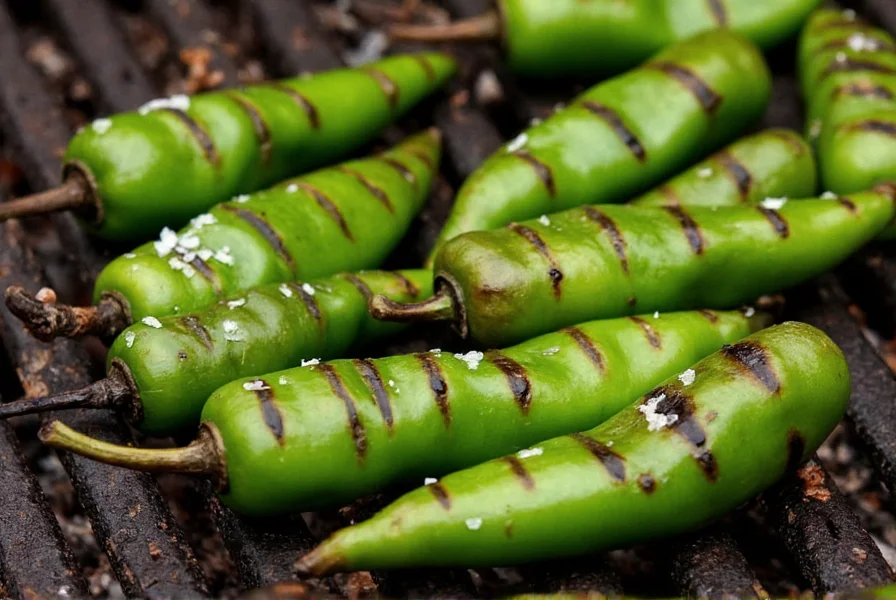
This authentic preparation method requires minimal ingredients but delivers maximum flavor. The high-heat grilling creates beautiful blistering while preserving the peppers' delicate texture.
Ingredients for 4 servings:
- 1 pound fresh shishito peppers
- 2 tablespoons neutral oil (grapeseed or avocado)
- 1¾ teaspoons flaky sea salt (like Maldon)
- Optional: lemon wedges, yuzu kosho, or shichimi togarashi
Method:
- Preheat grill to high heat (450°F+)
- Toss peppers with oil in a bowl until evenly coated
- Place peppers directly on grill grates
- Cook 5-8 minutes, turning occasionally with tongs until blistered and slightly collapsed
- Transfer to serving platter and immediately sprinkle with sea salt
- Serve hot with optional accompaniments
Variations for Creative Shishito Pepper Recipes
While the traditional preparation shines, these tested variations offer exciting twists for your next dinner party or weeknight meal:
Oven-Roasted Shishito Peppers with Garlic
Perfect for when outdoor grilling isn't an option, this oven method produces consistently excellent results. Toss peppers with 2 tablespoons oil and 3 whole garlic cloves (unpeeled). Roast at 425°F for 12-15 minutes until blistered. Squeeze softened garlic from skins into a small bowl, mash with 1 teaspoon lemon zest and flaky salt, then drizzle over peppers. This variation works beautifully as easy shishito pepper recipes for beginners.
Shishito Peppers with Miso Butter
Combine the umami richness of white miso with butter for an elevated preparation. After grilling, toss peppers in a mixture of 2 tablespoons melted butter and 1 tablespoon white miso paste. Finish with toasted sesame seeds. This recipe demonstrates the best way to cook shishito peppers when seeking complex flavor profiles.
Serving Suggestions and Pairing Ideas
Shishito peppers shine as both appetizer and side dish. Consider these pairings:
- With grilled proteins: particularly excellent alongside salmon, chicken, or steak
- As part of a Japanese-inspired meal with rice and miso soup
- Alongside other grilled vegetables in a summer vegetable platter
- With dipping sauces: ponzu, yuzu kosho aioli, or simple soy-vinegar mixture
For entertaining, serve shishito peppers in small cast-iron skillets or traditional Japanese donabe pots to maintain heat. Always provide small plates—these addictive peppers disappear quickly!
Contextual Considerations for Shishito Peppers
Understanding operational boundaries prevents culinary disappointment. Research from the University of Vermont Extension identifies critical success factors:
- Optimal Conditions:
- Fresh consumption within 3 days of harvest (per USDA post-harvest guidelines)
- High-heat applications under 15 minutes cooking time
- Pairing with acidic elements to balance natural bitterness
- Known Limitations:
- Storage vulnerability: Rapid quality degradation after 7 days refrigeration (90% texture loss by day 10)
- Heat inconsistency: Unpredictable capsaicin distribution makes them unsuitable for spice-controlled diets
- Structural fragility: Incompatible with stuffed pepper applications due to thin walls
Commercial growers confirm these constraints in University of California agricultural studies, noting that extended storage triggers enzymatic browning unaddressed by standard preservation methods.




 浙公网安备
33010002000092号
浙公网安备
33010002000092号 浙B2-20120091-4