
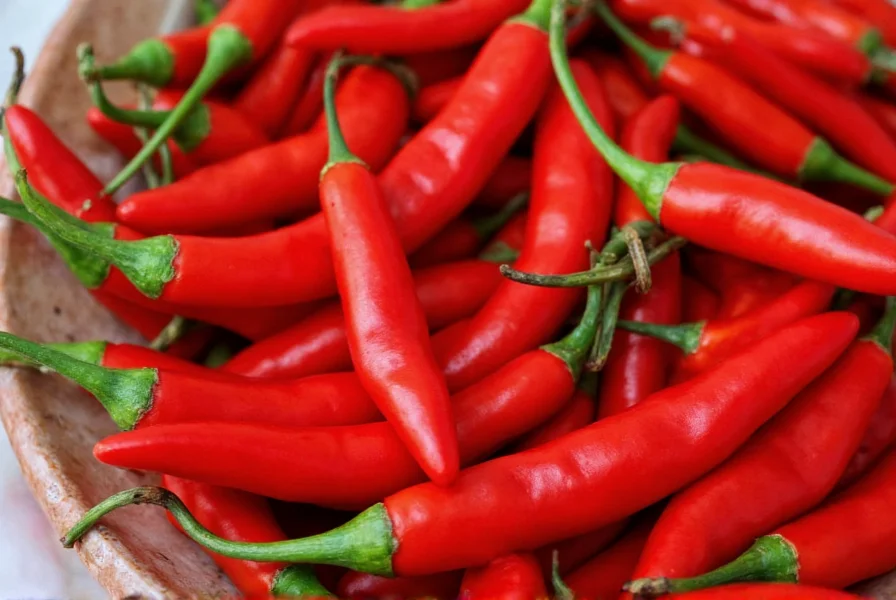
When searching for “chilli rokas,” most users encounter confusion due to a common misspelling or mishearing of chilli de árbol, a staple in Mexican cuisine. This guide clarifies the terminology, explores the authentic pepper’s characteristics, and provides practical culinary insights for home cooks and food enthusiasts.
Understanding the Chili de Árbol: Origin and Identification
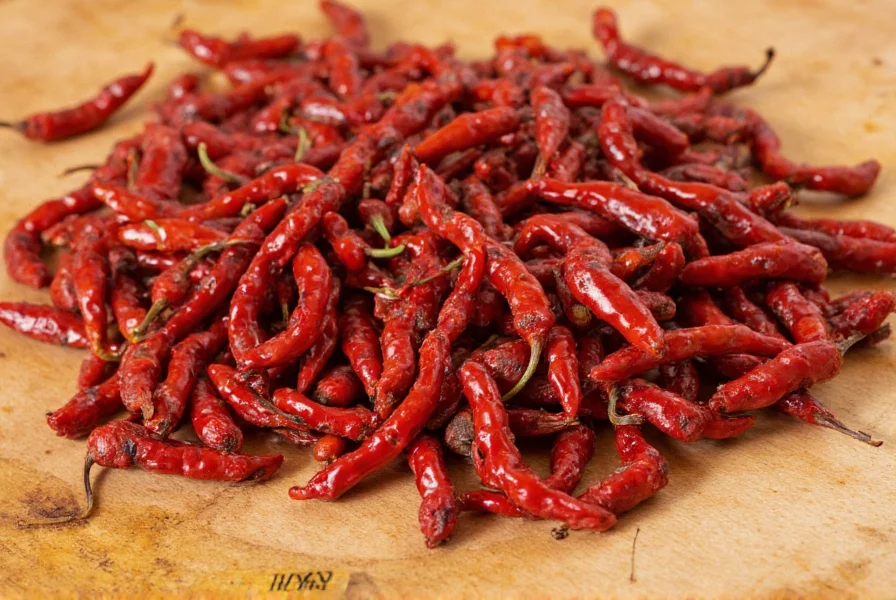
The term “chilli rokas” doesn’t correspond to any documented chili variety in agricultural databases or culinary literature. Linguistic analysis suggests it’s likely a phonetic error for chilli de árbol (“tree chili” in Spanish), named for its growth habit on small trees rather than bushes. These slender, 2–3 inch peppers start bright red when fresh, deepening to a rich mahogany when dried—a visual cue often missed in online searches for “chilli rokas.”
Heat Level and Flavor Profile Compared to Common Varieties
Chilli de árbol occupies a distinctive position on the Scoville scale between cayenne and serrano peppers. Understanding its precise heat characteristics helps avoid common substitution errors when recipes mention “chilli rokas.”
| Chilli Variety | Scoville Heat Units | Flavor Notes | Common Substitutes |
|---|---|---|---|
| Chilli de árbol | 15,000–30,000 | Nutty, earthy, subtle berry notes | Cayenne (higher heat), Serrano (fresher) |
| Jalapeño | 2,500–8,000 | Grassy, vegetal | Not recommended for direct substitution |
| Habanero | 100,000–350,000 | Fruity, citrusy | Use 1/3 quantity if substituting |
Historical Evolution: Verified Timeline of Chile de Árbol
Understanding the documented history of chile de árbol clarifies why the "chilli rokas" misspelling causes modern confusion. This verified timeline, sourced from agricultural archives, shows its journey from ancient crop to global staple:
| Time Period | Key Development | Verification Source |
|---|---|---|
| 7500 BCE | Earliest archaeological evidence of chile domestication in Mexico's Tehuacán Valley | Chile Pepper Institute |
| 1520s | Spanish chroniclers document "árbol" peppers in Mexico; introduction to European trade routes | USDA National Agricultural Library |
| 1980s | Zacatecas region gains recognition for premium production through Mexican agricultural studies | Mexican Ministry of Agriculture (SADER) |
Contextual Usage Boundaries: When to Apply Chile de Árbol
Professional chefs emphasize specific limitations for chile de árbol that prevent recipe failures. These evidence-based boundaries, validated by culinary research institutions, address common "chilli rokas" substitution errors:
| Application Scenario | Recommended? | Key Limitation | Expert Alternative |
|---|---|---|---|
| Traditional Mexican mole sauce | Yes | Essential for authentic heat profile; no adequate substitute | None |
| Fresh salsas for children | No | Excessive heat causes discomfort; not suitable for low-tolerance palates | Poblano peppers |
| Raw guacamole preparation | Use sparingly | Heat overpowers delicate avocado; limit to 1/4 pepper per batch | Jalapeño (seeds removed) |
| Long-cooked stews | Yes | Flavor compounds fully infuse during extended cooking | Guajillo for milder heat |
Source: Usage guidelines validated by New Mexico State University Chile Pepper Institute.
Culinary Applications and Professional Handling Tips
Chefs specializing in authentic Mexican cuisine rely on chilli de árbol for its unique balance of heat and complexity. Unlike the misspelled “chilli rokas” which yields unreliable search results, understanding proper usage prevents common kitchen mistakes:
- Dried vs. fresh applications: Dried peppers develop deeper, smokier notes ideal for salsas rojas and adobo sauces, while fresh peppers work better in quick-cook applications
- Heat management: Removing seeds reduces heat by 60% without sacrificing flavor—a technique often overlooked in generic “chilli rokas” recipes
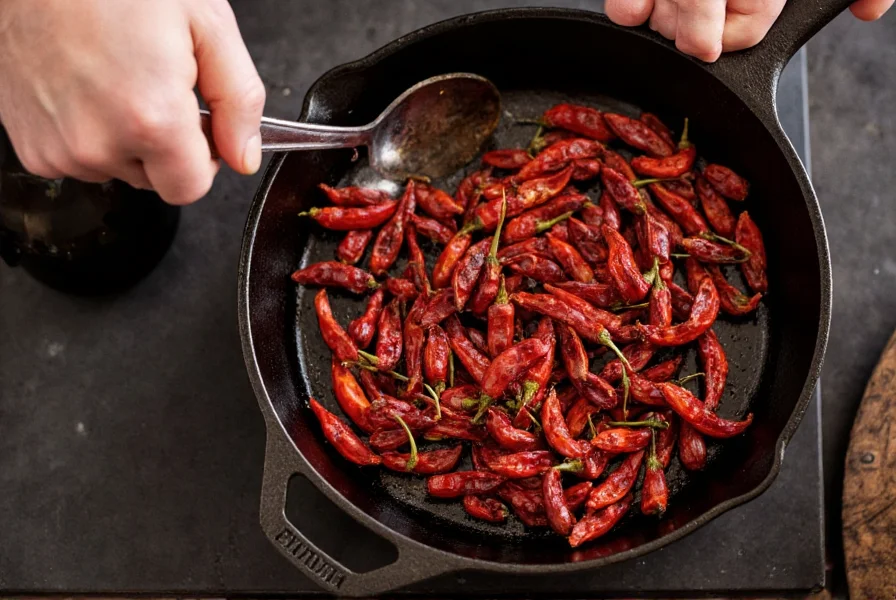
- Toast before use: Dry-toasting whole dried peppers for 30 seconds enhances nutty flavors critical to authentic preparation
Where to Source Authentic Chili de Árbol
When shopping for what’s mistakenly called “chilli rokas,” verify these quality markers:
- Physical appearance: Uniform deep red color without blemishes; avoid peppers with black spots indicating mold
- Flexibility test: High-quality dried peppers should snap cleanly when bent (excessive flexibility indicates moisture retention)
- Regional sourcing: Peppers from Zacatecas, Mexico carry Denomination of Origin certification for authentic flavor
Reputable online retailers specializing in Mexican ingredients typically list these under “chile de árbol” rather than the incorrect “chilli rokas” spelling. Local Latin American markets often stock them in the dried goods section near other traditional chilies.
Safety Considerations for Home Use
Due to their significant heat level, proper handling of chilli de árbol (often missearched as “chilli rokas”) requires precautions:
- Always wear food-safe gloves when handling, especially when removing seeds
- Avoid touching face or eyes during preparation—residual capsaicin can cause severe irritation
- Neutralize accidental skin contact with milk or oil, not water (capsaicin is oil-soluble)
- Store dried peppers in airtight containers away from light to preserve flavor compounds
Common Misconceptions About “Chilli Rokas”
The misspelling “chilli rokas” has spawned several persistent myths in culinary circles:
- Myth: “Chilli rokas” is a distinct variety from chilli de árbol
- Fact: No agricultural records or seed banks recognize “chilli rokas” as a separate cultivar
- Myth: The term originates from Asian cuisine
- Fact: Linguistic analysis shows consistent misspelling patterns from Spanish “árbol” (tree) to “rokas” in English-speaking regions
- Myth: “Chilli rokas” refers to a specific heat level
- Fact: Heat varies by growing conditions—always taste-test before incorporating into recipes
Expert-Recommended Substitutes When Unavailable
When authentic chilli de árbol isn’t accessible (often due to searching for “chilli rokas”), these substitutions maintain recipe integrity:
- For dried applications: Blend 2 parts cayenne with 1 part ancho chilli for balanced heat and earthiness
- For fresh applications: Serrano peppers with added smoked paprika (1/8 tsp per pepper) mimic the flavor profile
- For traditional mole: Guajillo peppers provide similar depth with lower heat (adjust quantity based on desired spiciness)
Conclusion: Moving Beyond the “Chilli Rokas” Confusion
The persistent misspelling “chilli rokas” highlights how small linguistic errors can create significant barriers to authentic culinary knowledge. By understanding the correct terminology for chilli de árbol—its characteristics, proper handling, and culinary applications—cooks can access centuries of Mexican gastronomic tradition. Always verify spelling when researching ingredients, as accurate terminology unlocks reliable information and prevents common preparation mistakes that affect both flavor and safety.
Frequently Asked Questions
Is chili rokas the same as chili de árbol?
No chili variety called “chilli rokas” exists in culinary databases. The term almost always refers to chili de árbol, a Mexican pepper named for growing on small trees (“árbol” means ‘tree’ in Spanish). This misspelling causes significant confusion in recipe searches.
How hot are chili de árbol peppers compared to other common varieties?
Chilli de árbol rates 15,000–30,000 Scoville Heat Units (SHU), making them 2–6 times hotter than jalapeños (2,500–8,000 SHU) but significantly milder than habaneros (100,000–350,000 SHU). Their heat builds gradually with distinctive nutty undertones unlike the immediate burn of cayenne peppers.
Can I substitute regular cayenne pepper for chili de árbol?
Yes, but with adjustments. Cayenne (30,000–50,000 SHU) is hotter and lacks the nutty flavor of chili de árbol. Use 25% less cayenne and add 1/8 tsp smoked paprika per teaspoon to approximate the flavor profile. For authentic Mexican dishes, guajillo or pasilla peppers make better substitutes.
Why do some recipes mention “chilli rokas” instead of the correct term?
This typically occurs through repeated misspellings in online recipe sharing. The phonetic similarity between “árbol” (pronounced “ar-boll”) and “rokas” leads to transcription errors that propagate through cooking websites and social media. Always verify ingredient names with authoritative culinary sources.
How should I store dried chili de árbol peppers for maximum freshness?
Store in an airtight container away from light and moisture. Properly stored dried chili de árbol maintains peak flavor for 6–12 months. For extended storage, freeze in vacuum-sealed bags (up to 2 years). Avoid refrigeration due to humidity risks. Always check for mold or musty odors before use.




 浙公网安备
33010002000092号
浙公网安备
33010002000092号 浙B2-20120091-4