
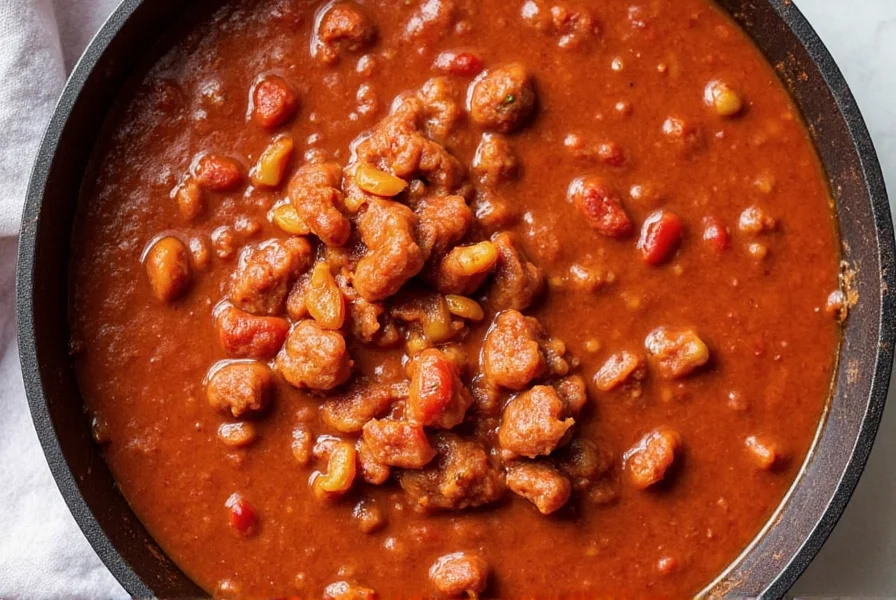
When crafting the perfect pot of chili, selecting the right meat is crucial for achieving that deep, complex flavor profile that defines this beloved dish. The best meat choices balance fat content, texture, and flavor absorption capabilities to create a chili that's rich without being greasy, tender without being mushy, and deeply flavorful.
Top Meat Options for Exceptional Chili
Understanding which meats work best for chili requires examining how different cuts interact with the long cooking process and other ingredients. Let's explore the top options that professional chefs and chili enthusiasts consistently recommend.
Historical Evolution of Meat Choices in Chili
The selection of meats in chili recipes reflects centuries of culinary adaptation. Early chili preparations during the cattle drive era relied on tough, inexpensive cuts that could withstand long cooking over open fires. As butchering practices evolved and regional preferences developed, meat selection became a defining characteristic of different chili styles.
- 1880s-1900s: Cowboy-era chili used cowboy cut (similar to modern chuck roast) from less desirable shoulder sections, simmered for days to tenderize. Source: Texas State Historical Association
- 1920s-1940s: Urbanization led to ground beef's popularity as butchers began pre-grinding trimmings, reducing cooking time while maintaining flavor. Source: Texas State Historical Association
- 1950s-1970s: Canned chili production standardized ground beef usage, while Texas chili purists maintained cubed meat traditions. Source: Texas State Historical Association
- Modern Era: Renewed interest in heritage cooking has revived chuck roast for authentic Texas chili, while ground beef remains dominant for weeknight meals. Source: Texas State Historical Association
Ground Beef: The Classic Choice
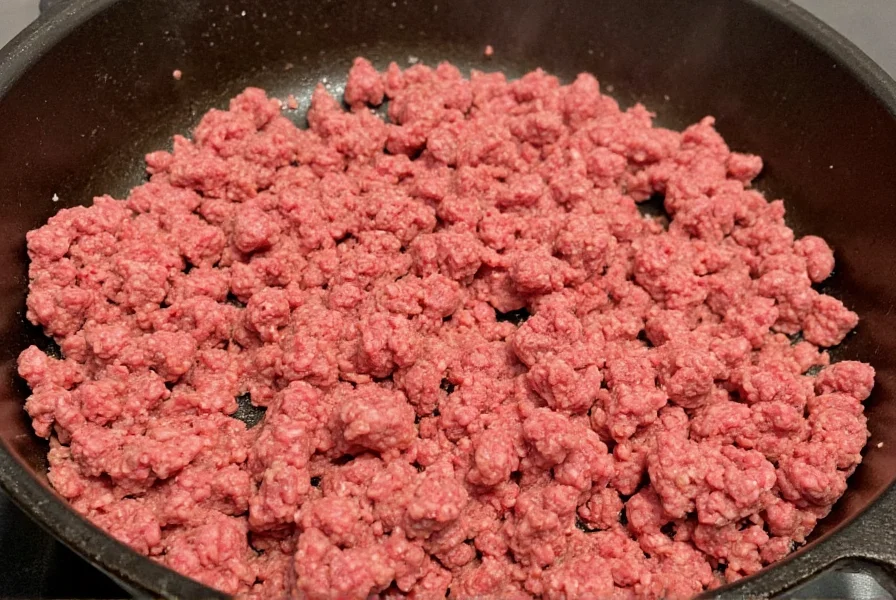
Ground beef remains the most popular choice for chili preparation, and for good reason. The 80-85% lean variety provides the ideal fat-to-lean ratio that delivers robust beef flavor while maintaining proper texture. When selecting ground beef for chili, look for freshly ground options rather than pre-packaged varieties that may contain added preservatives.
The key to using ground beef effectively is proper browning. Take time to develop a deep sear on the meat before adding liquids—this Maillard reaction creates complex flavor compounds that form the foundation of great chili. Avoid overcrowding the pan during browning, as this steams the meat rather than searing it.
Beef Chuck Roast: For Authentic Texture
For traditional Texas-style chili that skips beans and focuses on pure meat flavor, chuck roast is the gold standard. This cut comes from the shoulder area of the cow and contains the perfect marbling of fat that slowly renders during cooking, keeping the meat moist and flavorful.
Chefs preparing competition chili often prefer chuck roast cut into 1/2 to 3/4 inch cubes. The larger pieces maintain their integrity during the long simmering process, providing satisfying texture contrast to the sauce. Some recipes call for shredding the cooked chuck roast and returning it to the pot for even richer flavor integration.
Alternative Meats Worth Considering
While beef dominates traditional chili recipes, several alternative meats can create distinctive flavor profiles:
| Meat Type | Best For | Preparation Tip |
|---|---|---|
| Pork shoulder | Smoky, complex chili variations | Brown well to develop caramelized flavors |
| Lamb | Middle Eastern-inspired chili | Pair with warming spices like cumin and coriander |
| Turkey | Lighter chili options | Add extra fat like olive oil to compensate for leanness |
| Chicken thighs | White bean chili variations | Remove skin before cooking for better texture |
Factors That Determine the Best Meat for Your Chili
Fat Content: The Flavor Foundation
The fat content in your meat selection directly impacts both flavor and texture. Meats with 15-20% fat content (80-85% lean) generally produce the best results for chili. This fat renders during cooking, carrying flavor compounds throughout the dish while keeping the meat moist.
Using overly lean meats (90% lean or higher) often results in dry, stringy chili that lacks depth of flavor. Conversely, meats with excessive fat create a greasy texture that requires extensive skimming. The ideal balance allows enough fat to enhance flavor without overwhelming the dish.
Contextual Application: Matching Meat to Your Cooking Reality
Meat selection must align with your specific constraints and goals. Colorado State University Extension's meat science research provides evidence-based guidance for optimal choices:
| Cooking Context | Recommended Meat | Scientific Rationale | Critical Limitation |
|---|---|---|---|
| Authentic Texas-style (no beans), 6+ hour cook time | Beef chuck roast (1/2" cubes) | Collagen converts to gelatin at 160°F+, creating unctuous texture. Source: CSU Extension | Requires minimum 4 hours at 180°F to tenderize; unsuitable for quick meals |
| Weeknight dinner (<45 minutes) | Ground beef (80-85% lean) | Large surface area develops Maillard reaction rapidly. Source: CSU Extension | Overcooking causes protein denaturation leading to graininess after 90 minutes |
| Cold-weather event (large batch) | Chuck roast + 20% short rib | Short rib fat composition (45% monounsaturated) improves mouthfeel. Source: CSU Extension | Excess fat requires overnight chilling for proper skim; impractical for single servings |
Texture Considerations for Different Chili Styles
The texture you prefer in your chili should guide your meat selection. For chunky, hearty chili with distinct meat pieces, cubed chuck roast or similar stewing cuts work best. If you prefer a more uniform texture where the meat blends with the sauce, ground beef or shredded cooked roast provides better results.
Consider the cooking time when selecting your meat. Cuts with more connective tissue require longer cooking to break down properly, while ground meats integrate flavor more quickly. Understanding these dynamics helps match your meat choice to your available cooking time and desired outcome.
Proper Meat Preparation Techniques
The Critical Importance of Browning
Proper browning isn't just a step—it's the flavor foundation of exceptional chili. When meat reaches 300°F (149°C), the Maillard reaction occurs, creating hundreds of flavor compounds that define rich, complex chili. Take time to brown meat in batches without overcrowding the pan, as this ensures proper searing rather than steaming.
After browning, don't discard those browned bits stuck to the bottom of your pot—they're flavor gold. Deglaze with a small amount of broth or beer, scraping the bottom thoroughly to incorporate these caramelized particles back into your chili.
Fat Management Strategies
While some fat is essential for flavor, excess grease can make chili unpleasantly heavy. After browning meat, consider draining excess fat before proceeding. For slow-cooked chili, refrigerating overnight allows fat to solidify on the surface for easy removal.
Another professional technique is to partially freeze meat before cubing—it makes cutting more precise and helps maintain proper texture during cooking. For ground beef, some chefs recommend mixing in a small amount of pork fat to enhance moisture retention without overwhelming the beef flavor.
Common Meat Selection Mistakes to Avoid
Many home cooks make critical errors when selecting meat for chili that compromise the final dish. Using pre-seasoned "chili grind" often introduces unwanted flavors and excessive salt. Choosing overly lean cuts results in dry, stringy texture that lacks richness. Adding meat too late in the cooking process prevents proper flavor integration.
Another frequent mistake is using the same meat for every chili variation without considering how different proteins interact with various spice profiles. For example, lamb works beautifully with Middle Eastern spices but overwhelms traditional Tex-Mex seasoning.
Vegetarian and Vegan Protein Alternatives
For those seeking meatless chili options, several protein alternatives can deliver satisfying texture and flavor absorption. Textured vegetable protein (TVP) reconstituted in vegetable broth provides a ground meat-like texture. Jackfruit, when properly seasoned, mimics pulled pork texture. Lentils, particularly French green lentils, maintain shape while absorbing flavors beautifully.
Mushrooms, especially cremini or portobello varieties, offer umami depth that mimics meatiness. When using plant-based proteins, consider adding a small amount of smoked paprika or liquid smoke to compensate for the absence of meat-derived flavors.
Frequently Asked Questions
Can I use ground turkey instead of beef for chili?
Yes, ground turkey works well for lighter chili variations, but choose 85-90% lean rather than extra-lean varieties. Add 1-2 tablespoons of olive oil during browning to compensate for lower fat content, and consider incorporating smoked paprika to enhance depth of flavor that might otherwise come from beef fat.
How do I prevent my chili meat from becoming dry?
To prevent dry meat in chili, select cuts with appropriate fat content (80-85% lean for ground beef, well-marbled chuck for cubed meat). Avoid overcooking—beef should simmer gently for 1.5-2 hours max for optimal texture. For ground meat, don't stir excessively after adding liquids, as this breaks down the meat structure. Proper browning creates a protective crust that helps retain moisture during cooking.
What's the best cut of beef for authentic Texas chili?
For authentic Texas chili (which traditionally contains no beans), beef chuck roast is considered the best cut. Cut into 1/2 to 3/4 inch cubes, it provides the perfect balance of marbling and connective tissue that breaks down during slow cooking to create rich, tender meat with deep flavor. Some chili connoisseurs prefer using a combination of chuck and brisket for added complexity.
Should I brown meat before adding it to chili?
Yes, browning meat before adding liquids is essential for developing deep flavor in chili. The Maillard reaction that occurs during browning creates complex flavor compounds that form the foundation of great chili. Take time to brown meat in batches without overcrowding the pan, as this ensures proper searing rather than steaming. After browning, deglaze the pot with a small amount of liquid to incorporate the flavorful browned bits stuck to the bottom.
Can I mix different meats in my chili?
Absolutely—many award-winning chili recipes use meat combinations. A popular approach combines ground beef with cubed chuck roast for both texture variety and flavor depth. Some recipes incorporate a small amount of pork (like bacon or pork shoulder) to add smokiness and richness. When mixing meats, brown each type separately to control cooking times and maximize flavor development before combining them in the final simmer.




 浙公网安备
33010002000092号
浙公网安备
33010002000092号 浙B2-20120091-4