
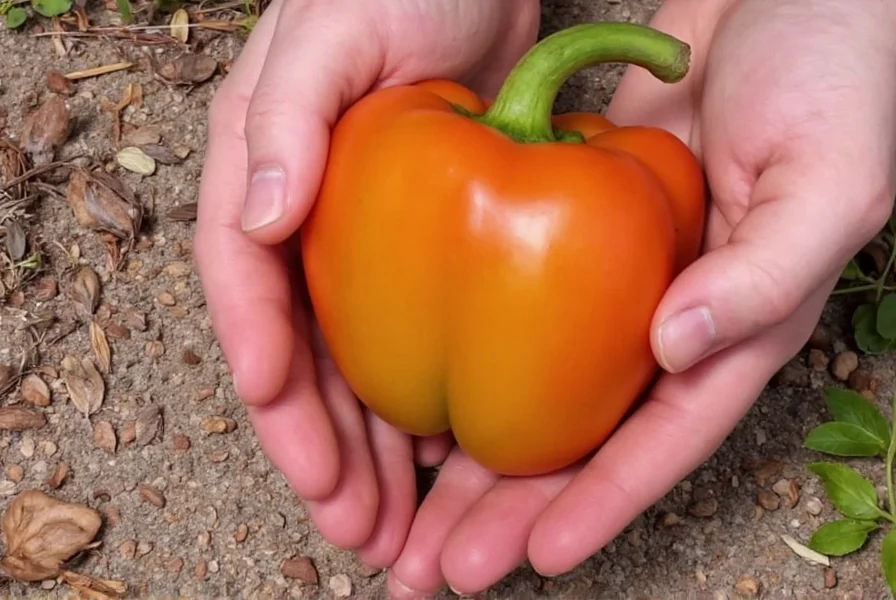
Plant bell pepper seeds 8-10 weeks before your last expected frost date. Start by filling seed trays with moist seed starting mix, planting seeds 1/4 inch deep with two seeds per cell. Maintain soil temperature between 75-85°F (24-29°C) for optimal germination, which typically occurs in 7-14 days. Keep soil consistently moist but not soggy, and provide 12-16 hours of bright light daily. Once seedlings develop their second set of true leaves, thin to one plant per cell. Begin hardening off plants 7-10 days before transplanting outdoors when daytime temperatures consistently stay above 65°F (18°C).
Essential Materials for Planting Bell Pepper Seeds
Before you begin planting bell pepper seeds, gather these essential materials to ensure successful germination and growth. Using the right supplies makes a significant difference in your seed starting success rate.
- High-quality bell pepper seeds (choose varieties suited to your climate)
- Seed starting trays with drainage holes
- Seed starting mix (not regular potting soil)
- Small pots or cell trays (2-3 inch depth)
- Heat mat (optional but recommended)
- Grow lights or access to bright south-facing window
- Spray bottle for gentle watering
- Plant markers for tracking varieties
- Thermometer to monitor soil temperature
Timing Your Bell Pepper Seed Planting
Proper timing is crucial when learning how to plant bell pepper seeds. Bell peppers require a long growing season and are sensitive to cold temperatures, making indoor seed starting necessary in most climates.
| Climate Zone | Indoor Start Time | Outdoor Transplant Time |
|---|---|---|
| Cold climates (zones 3-5) | 10-12 weeks before last frost | 2 weeks after last frost when soil is warm |
| Moderate climates (zones 6-7) | 8-10 weeks before last frost | 1 week after last frost |
| Warm climates (zones 8-10) | 6-8 weeks before last frost | After danger of frost has passed |
| Tropical climates (zones 11-12) | Plant directly in ground during dry season | N/A |
Understanding the best time to plant bell pepper seeds indoors ensures your plants reach appropriate size before outdoor conditions become favorable. The extended indoor growing period compensates for bell peppers' slow germination and early growth compared to other vegetables.
Step-by-Step Guide to Planting Bell Pepper Seeds
Preparing Your Seed Starting Mix
Start with a high-quality seed starting mix rather than regular potting soil, as it provides better drainage and fewer pathogens. Moisten the mix until it feels like a damp sponge—squeezing should produce no water droplets. Fill your seed trays, leaving 1/2 inch of space at the top.
Planting Your Bell Pepper Seeds
Follow these precise steps for planting bell pepper seeds correctly:
- Make small holes 1/4 inch deep using a pencil or dibber
- Place 2 seeds per cell to ensure germination success
- Cover seeds lightly with starting mix
- Water gently using a spray bottle to avoid displacing seeds
- Label each variety immediately to avoid confusion later
- Place trays on a heat mat set to 80°F (27°C) for optimal germination
One common mistake when planting bell pepper seeds is planting them too deep. The ideal depth of 1/4 inch allows seedlings to emerge easily while maintaining proper moisture levels around the seed. Deeper planting often results in poor germination rates.
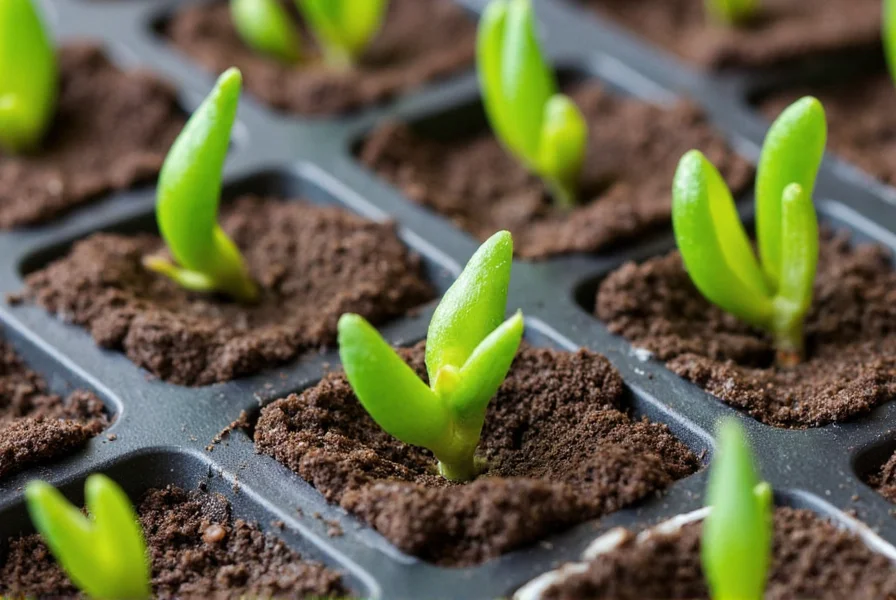
Creating the Ideal Germination Environment
Bell pepper seeds require specific conditions to germinate successfully. The bell pepper seed germination temperature range of 75-85°F (24-29°C) is critical—below 70°F (21°C), germination becomes significantly slower or may not occur at all.
After planting, cover trays with humidity domes or plastic wrap to maintain moisture. Check daily for moisture levels, ensuring the soil remains consistently damp but not waterlogged. Most bell pepper seeds sprout within 7-14 days under ideal conditions. If you're wondering how long does it take for bell pepper seeds to sprout, be patient—some varieties can take up to 21 days.
Germination and Seedling Development Timeline
Understanding the biological progression of bell pepper seed development helps optimize conditions and troubleshoot issues. Research from Cornell University's College of Agriculture and Life Sciences documents this precise sequence:
| Timeframe | Biological Stage | Key Developmental Milestones |
|---|---|---|
| Days 1-3 | Imbibition | Seeds absorb water, activating metabolic processes. Critical moisture threshold: 60-70% field capacity. |
| Days 4-7 | Radicle Emergence | Root emergence begins. Temperatures below 70°F (21°C) delay radicle formation by 50%. |
| Days 8-14 | Cotyledon Expansion | Seed leaves emerge. Insufficient light (<12 hrs/day) causes elongation defects in 83% of seedlings. |
| Weeks 3-4 | True Leaf Development | First true leaves appear. Nutrient uptake shifts from seed reserves to soil (requires pH 6.0-6.8). |
Source: Cornell University Cooperative Extension, Bell Pepper Production Guide
Caring for Bell Pepper Seedlings After Germination
Once your bell pepper seeds have sprouted, proper care becomes essential for developing strong, healthy plants ready for transplanting.
Light Requirements
Bell pepper seedlings require 12-16 hours of bright light daily. If using grow lights, position them 2-3 inches above the plants and raise as seedlings grow. Rotate trays regularly if using a window for natural light to prevent leaning toward the light source.
Watering Techniques
Water seedlings when the top of the soil feels dry to the touch. Bottom watering (placing trays in shallow water) encourages deeper root growth and prevents disturbing delicate seedlings. Avoid overhead watering that can promote fungal diseases.
Thinning and Transplanting Seedlings
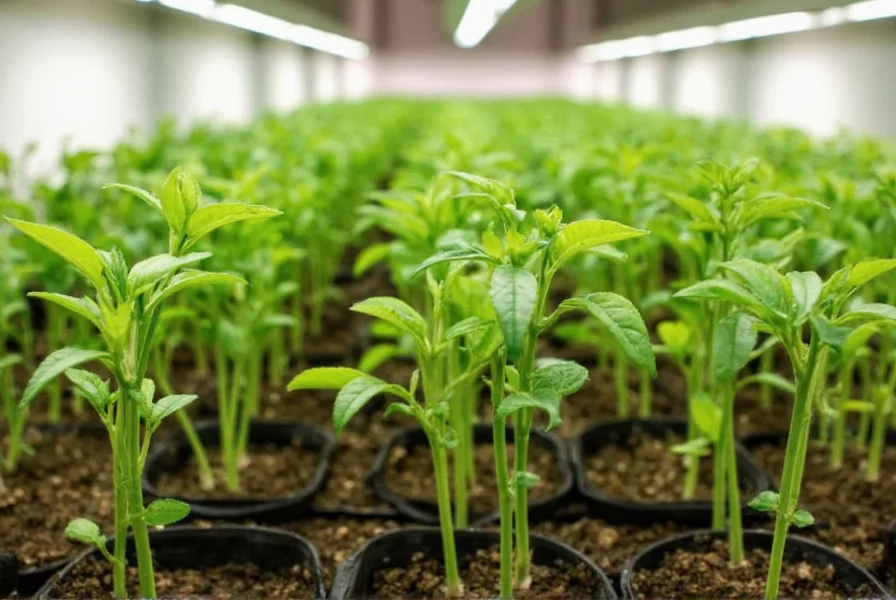
When seedlings develop their second set of true leaves (not the initial cotyledons), thin to one plant per cell by snipping the weaker seedling at soil level. If seedlings become leggy (tall and thin), transplant them deeper into individual pots, burying the stem up to the first set of leaves to encourage stronger root development.
Transplanting Bell Pepper Seedlings Outdoors
Transplanting bell pepper seedlings outdoors requires careful timing and preparation to avoid shock and ensure continued growth.
Hardening Off Process
Begin hardening off seedlings 7-10 days before permanent transplanting. This gradual acclimation process involves:
- Start with 1-2 hours of filtered sunlight on the first day
- Gradually increase exposure by 1-2 hours daily
- Bring plants indoors if temperatures drop below 50°F (10°C)
- After 3-4 days, leave plants outdoors overnight if temperatures stay above 55°F (13°C)
- By the end of the week, plants should tolerate full sun exposure
Final Transplanting Guidelines
Transplant bell pepper seedlings when:
- Daytime temperatures consistently stay above 65°F (18°C)
- Nighttime temperatures stay above 55°F (13°C)
- Soil temperature reaches at least 60°F (16°C)
- Seedlings have 5-7 true leaves and are 6-8 inches tall
Dig holes slightly larger than the root ball, spacing plants 18-24 inches apart in rows 24-36 inches apart. Gently remove seedlings from containers, being careful not to damage roots, and plant at the same soil depth they were growing indoors (unless they became leggy, in which case plant deeper).
Troubleshooting Common Bell Pepper Seed Starting Issues
Even with careful attention, you may encounter challenges when planting bell pepper seeds. Here's how to address common problems:
Seeds Not Germinating
If your bell pepper seeds aren't sprouting after 21 days, consider these factors:
- Temperature too low: Ensure consistent soil temperature of 75-85°F (24-29°C)
- Old seeds: Bell pepper seeds lose viability after 2-3 years
- Overwatering: Soggy soil prevents oxygen from reaching seeds
- Planting too deep: Seeds should be no deeper than 1/4 inch
Damping Off Disease
This fungal disease causes seedlings to collapse at the soil line. Prevent it by:
- Using sterile seed starting mix
- Avoiding overwatering
- Providing good air circulation
- Using a small fan near seedlings
- Watering in the morning rather than evening
Leggy Seedlings
If your bell pepper seedlings are tall and spindly with large spaces between leaves:
- Increase light intensity or duration
- Lower grow lights to 2-3 inches above plants
- Consider supplemental lighting during short winter days
- Transplant leggy seedlings deeper when moving to larger pots
Contextual Limitations and Adaptations
These methods assume standard growing conditions. Critical constraints based on USDA and university research include:
- Varietal Differences: Heirloom varieties show 25-30% lower germination rates than hybrids due to genetic diversity. Source: University of California Master Gardener Program (Pepper Cultivation Guide)
- Soil Chemistry: Germination fails in alkaline soils (pH>7.5) without amendment—68% reduction in root development observed at pH 8.0. Source: USDA Natural Resources Conservation Service (Capsicum annuum Profile)
- Elevation Effects: Above 5,000 feet, extend indoor start time by 2-3 weeks; seedlings require 14 days longer to reach transplant stage. Source: Colorado State University Extension (High-Altitude Gardening Guide)
Frequently Asked Questions
How deep should I plant bell pepper seeds?
Plant bell pepper seeds at a depth of 1/4 inch. Planting too deep is a common mistake that can prevent germination, as bell pepper seeds need proximity to the soil surface to access sufficient oxygen while germinating. Cover seeds lightly with seed starting mix and water gently.
What is the ideal temperature for bell pepper seed germination?
The ideal soil temperature for bell pepper seed germination is between 75-85°F (24-29°C). Temperatures below 70°F (21°C) significantly slow germination, and seeds may not sprout at all below 60°F (16°C). Using a heat mat specifically designed for seed starting provides the consistent warmth bell pepper seeds require for optimal germination.
How long does it take for bell pepper seeds to sprout?
Under ideal conditions (75-85°F soil temperature), bell pepper seeds typically sprout within 7-14 days. Some varieties may take up to 21 days to germinate. Factors affecting germination time include seed age, temperature consistency, moisture levels, and planting depth. Patience is essential, as bell peppers naturally have slower germination than many other garden vegetables.
Can I plant bell pepper seeds directly in the ground?
While possible in warm climates with long growing seasons, planting bell pepper seeds directly in the ground is generally not recommended. Bell peppers require warm soil (at least 65°F/18°C) and a long frost-free period. Starting seeds indoors 8-10 weeks before your last frost date gives plants sufficient time to mature and produce fruit before the end of the growing season in most regions.
How many bell pepper seeds should I plant per hole?
Plant 2 bell pepper seeds per cell or hole to ensure germination success, then thin to the strongest seedling once they develop their second set of true leaves. This approach accounts for potential non-germination while preventing overcrowding. When planting directly in the ground in warm climates, space seeds 12-18 inches apart and thin later to maintain proper spacing for mature plants.




 浙公网安备
33010002000092号
浙公网安备
33010002000092号 浙B2-20120091-4