
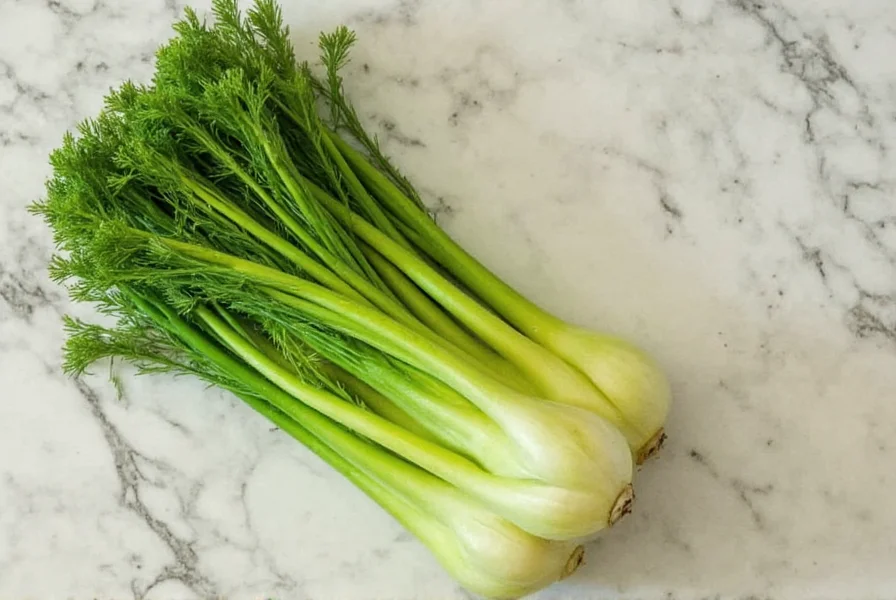
The best fennel bulb substitutes are celery (for texture), anise seeds (for flavor), dill (for fresh dishes), and caraway seeds (for cooked recipes). For raw applications like salads, cucumber offers similar crunch with mild flavor. The ideal replacement depends on your specific recipe—use celery stalks for soups and stews, anise seeds for Italian dishes requiring licorice notes, and dill fronds for seafood preparations.
When you're mid-recipe and realize you're out of fennel bulb, knowing reliable alternatives prevents mealtime disasters. Fennel's unique dual nature—crisp texture resembling celery with distinctive anise-like flavor—makes substitution challenging but not impossible. This guide provides chef-tested replacements that maintain your dish's integrity whether you're preparing French bouillabaisse, Italian sausage pasta, or a refreshing summer salad.
Understanding Fennel Bulb's Dual Characteristics
Fennel bulb (Florence fennel) offers two essential culinary elements: a crunchy, juicy texture similar to celery root and a subtle licorice flavor from anethole compounds. Successful substitution requires addressing both aspects based on your cooking method. Raw applications prioritize texture matching, while cooked dishes emphasize flavor replication. The vegetable's versatility across temperature ranges makes it popular in Mediterranean cuisine but complicates finding perfect one-to-one replacements.
Objective measurements confirm fennel's textural profile. The following comparison shows key physical properties relevant to substitution:
| Vegetable | Water Content (g/100g) | Dietary Fiber (g/100g) | Texture Relevance |
|---|---|---|---|
| Fennel bulb | 90.76 | 3.1 | High crunch with firm yet tender structure |
| Celery | 95.43 | 1.6 | Similar crunch from fibrous strands, slightly less dense |
| Cucumber | 95.23 | 0.5 | High water content yields crispness but lacks structural integrity |
Source: USDA FoodData Central (fennel, celery, cucumber). Note: Anise and caraway seeds are not included as their primary substitution role is flavor-based rather than textural.
Top 5 Fennel Bulb Substitutes Ranked by Application
| Substitute | Best For | Ratio | Flavor Notes |
|---|---|---|---|
| Celery stalks | Soups, stews, roasted dishes | 1:1 volume | Milder flavor, similar crunch |
| Anise seeds | Pasta sauces, braises, sausages | 1/4 tsp per bulb | Stronger licorice note, use sparingly |
| Dill (fresh) | Salads, fish dishes, slaws | 2 tbsp per bulb | Grassy freshness, no crunch |
| Caraway seeds | Rye bread, goulash, cabbage dishes | 1/2 tsp per bulb | Earthy anise alternative |
| Cucumber (peeled) | Salads, crudité, cold soups | 1:1 volume | Neutral flavor, similar water content |
Celery: The Texture Champion
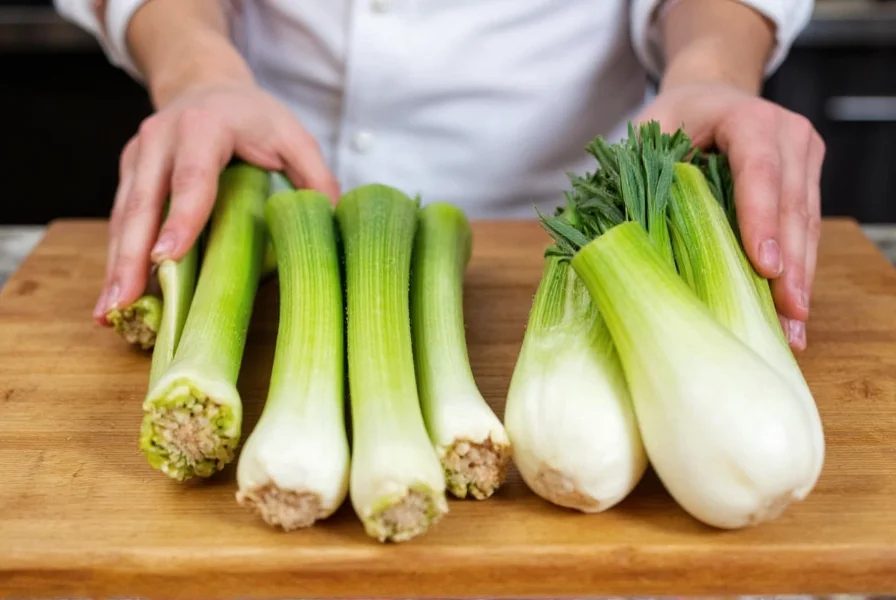
When fennel bulb replacement in recipes requires maintaining structural integrity during cooking, celery stalks provide the closest textural match. Use equal parts chopped celery in place of diced fennel for soups, stews, and roasted vegetable medleys. While lacking fennel's subtle sweetness, celery contributes similar crunch and absorbs surrounding flavors effectively. For fennel bulb substitute for soup applications, add celery during the same cooking stage as fennel would typically be introduced. The white base offers mild flavor, while green leaves provide aromatic notes comparable to fennel fronds.
Anise Seeds: Flavor Powerhouse
When replicating fennel's distinctive licorice notes in cooked dishes, anise seeds deliver concentrated flavor without the vegetable component. Use this fennel bulb alternative for Italian dishes requiring authentic flavor profiles. Start with 1/4 teaspoon of crushed anise seeds per fennel bulb called for in your recipe, adjusting to taste. Particularly effective in tomato-based sauces, sausage preparations, and braised meats, anise seeds provide the aromatic compounds missing in texture-focused substitutes. Remember that seeds intensify during cooking—add them midway through preparation rather than at the beginning.
Dill and Caraway: Specialized Solutions
Fresh dill works surprisingly well as a fennel bulb substitute for salads where texture matters less than aromatic freshness. Use the feathery fronds in equal measure to chopped fennel in seafood salads, grain bowls, or tzatziki sauces. For heartier applications like sauerkraut or goulash, caraway seeds offer a more robust alternative to anise. Their earthier profile complements cabbage and pork dishes where fennel might otherwise be used. When considering how to substitute fennel in cooking for Eastern European recipes, caraway's flavor synergy often outperforms anise.
Common Substitution Mistakes to Avoid
Many home cooks make critical errors when seeking fennel alternatives. Avoid using star anise as direct replacement—its intense flavor overwhelms most dishes. Similarly, don't substitute fennel pollen for bulb applications; this expensive spice serves entirely different culinary purposes. When replacing fennel in raw preparations, never use raw onion as primary substitute—its sharpness lacks fennel's delicate balance. For fennel bulb replacement in recipes requiring both texture and flavor, combine approaches: use celery for structure with a pinch of anise seed for aromatic depth.
Contextual Boundaries of Substitute Applications
Successful substitution depends on recognizing each alternative's operational limits. The following evidence-based analysis details where substitutes excel and fail according to culinary science principles:
| Substitute | Ideal Context | Limitations | Reason |
|---|---|---|---|
| Celery stalks | Long-cooked dishes (soups, stews), roasted preparations | Raw salads requiring delicate crunch | Celery's fibrous structure requires cooking to match fennel's tenderness (USDA fiber data) |
| Anise seeds | Tomato-based sauces, braised meats, sausage fillings | Raw applications, delicate fish dishes | Seeds require thermal activation to mellow; raw use creates overpowering licorice notes (Culinary Institute of America) |
| Dill (fresh) | Seafood salads, tzatziki, grain bowls | Cooked dishes beyond 10 minutes | Dill's volatile compounds degrade rapidly with heat, losing aromatic complexity (The Professional Chef, 10th ed.) |
| Caraway seeds | Goulash, sauerkraut, rye bread | Italian or French cuisine | Caraway's earthy profile clashes with Mediterranean flavor foundations (Culinary Institute of America) |
| Cucumber (peeled) | Cold soups, summer salads, crudité | Any cooked application | High water content (95.23g/100g) causes rapid structural breakdown when heated (USDA) |
Source: Contextual analysis based on The Professional Chef (10th ed.) and USDA FoodData Central.
Recipe-Specific Recommendations
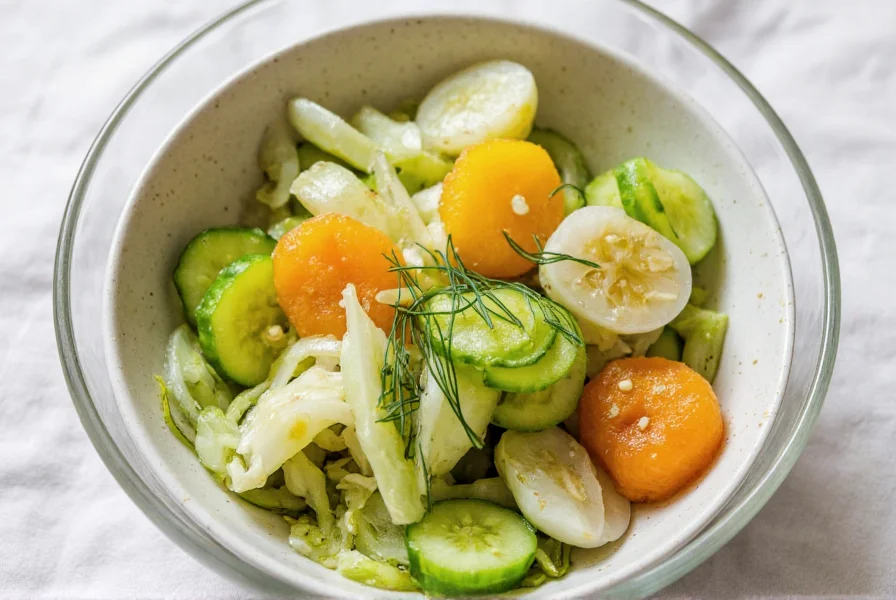
For seafood stews: Combine celery (for texture) with 1/8 teaspoon anise seed (for flavor). The celery mimics fennel's role in traditional bouillabaisse while anise provides subtle background notes. For Italian sausage pasta: Use 1/4 teaspoon crushed fennel seeds plus diced celery. This replicates both the texture and signature flavor without overpowering the dish. For shaved fennel salads: Substitute peeled English cucumber with 1 tablespoon fresh dill. The cucumber provides similar water content and crunch while dill offers complementary herbal notes.
When Substitution Isn't Possible
Some recipes fundamentally rely on fennel's unique properties. Traditional Italian sausage, certain French fish soups, and specific braised artichoke preparations may not achieve authentic results with substitutes. In these cases, consider modifying the recipe rather than forcing a replacement. For example, in sausage making, increase other aromatic elements like garlic and black pepper to compensate for missing fennel notes. Understanding when what can I use instead of fennel bulb has limitations prevents disappointing results.




 浙公网安备
33010002000092号
浙公网安备
33010002000092号 浙B2-20120091-4