
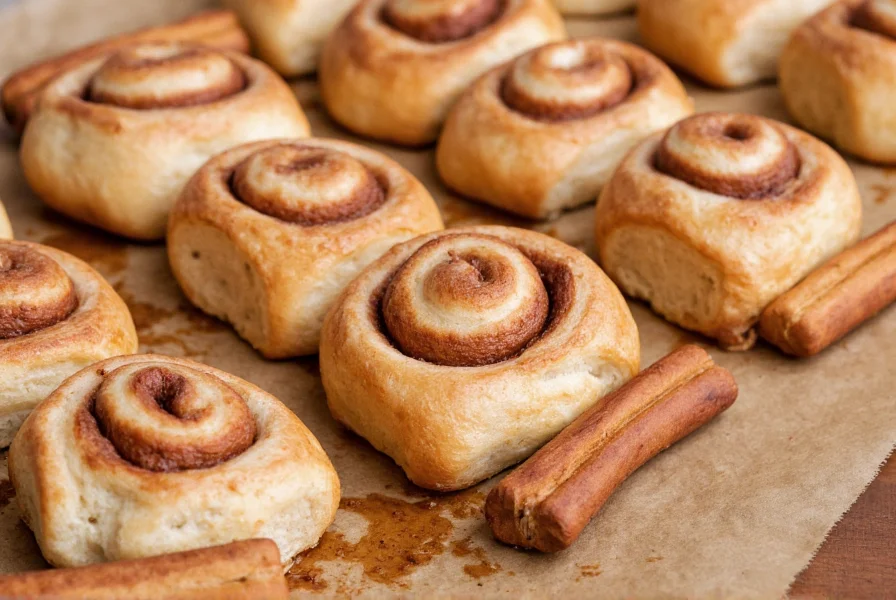
Understanding what makes cinnamon roll photography effective goes beyond just finding pretty pictures. The most useful visual references serve as practical guides for both baking and food presentation. Whether you're a home baker seeking inspiration or a content creator looking for authentic food imagery, knowing what to look for in cinnamon roll photos can significantly improve your results.
Key Visual Characteristics of Perfect Cinnamon Rolls
Professional-quality cinnamon roll images showcase specific visual elements that indicate proper preparation and baking. The most reliable pics of cinnamon rolls demonstrate:
- Golden-brown coloring - Not too pale (underbaked) or too dark (overbaked), with caramelized sugar edges visible between rolls
- Distinct spiral pattern - Clear cinnamon layers visible from the top and sides, showing proper rolling technique
- Moist texture appearance - Rolls should look soft and tender, not dry or crumbly
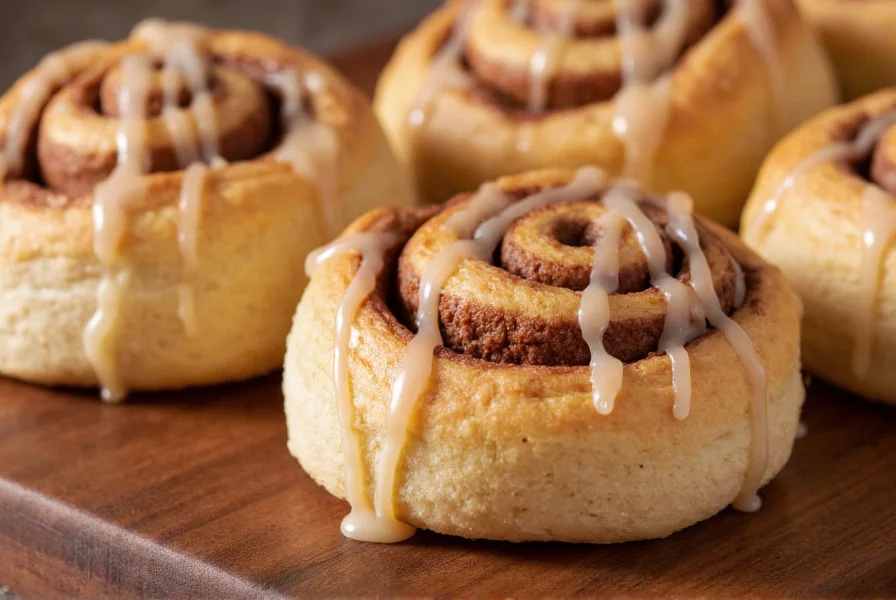
- Natural icing flow - Glaze should appear to melt into the warm rolls rather than sitting stiffly on top
When evaluating cinnamon roll photography for baking reference, pay attention to the lighting quality. The best pics of homemade cinnamon rolls use natural side lighting that highlights texture without creating harsh reflections on the icing.
Common Visual Problems in Cinnamon Roll Images
Not all cinnamon roll photos provide accurate baking references. Be aware of these common issues when searching for reliable pics of cinnamon rolls:
| Visual Issue | What It Indicates | Reliable Alternative |
|---|---|---|
| Perfectly uniform rolls | Often staged with artificial shaping | Slightly irregular shapes showing handmade quality |
| Excessively glossy icing | May use corn syrup instead of cream cheese | Matte-finish icing that appears to absorb into rolls |
| No visible crumbs | Over-photoshopped or using cake instead of yeast dough | Natural crumb structure around edges |
Many stock photos of cinnamon rolls feature artificial enhancements that don't represent real baking results. Professional food stylists often use petroleum jelly on edges to create artificial shine or replace sugar with salt for better camera definition. When searching for authentic pics of cinnamon rolls for baking reference, look for images that show slight imperfections characteristic of homemade baking.
Historical Evolution of Cinnamon Roll Photography Standards
Visual expectations for cinnamon roll imagery have transformed significantly alongside food media developments. Understanding this evolution helps distinguish authentic representations from staged photography. Key milestones include:
- 1950s-1970s: Commercial photography prioritized artificial perfection using non-edible substitutes (motor oil for syrup, petroleum jelly for shine). Cinnamon rolls appeared uniformly golden with exaggerated spiral definition but lacked natural caramelization.
- 1980s-1990s: Cooking television shows and early food magazines began promoting "homestyle" aesthetics. While professional styling remained common, baking guides started valuing slight imperfections as authenticity markers.
- 2000s: Food blogging democratized imagery, with home bakers sharing unfiltered photos online. This established expectations for natural texture variations and subtle baking imperfections in authentic references.
- 2010s-Present: Despite social media curation pressures, consumer sentiment research confirms preference for genuine representations showing real baking characteristics like caramelized edges and natural icing absorption.
These shifts reflect broader cultural movements toward transparency in food preparation. Modern viewers increasingly recognize artificially enhanced images and value photos demonstrating actual baking science principles.
Source: Smithsonian Magazine, "The History of Food Photography"
Contextual Limitations: When Visual Cues May Differ by Recipe Type
The visual characteristics described apply primarily to traditional wheat-based cinnamon rolls. Common dietary adaptations create distinct appearance variations requiring adjusted evaluation criteria:
- Gluten-Free Variations: Exhibit reduced spiral definition and less pronounced "pull-apart" separation due to different dough elasticity. Crust often appears paler with uneven browning as gluten-free flours caramelize differently. Texture typically appears denser with fewer surface blisters (University of Nebraska-Lincoln Food Safety).
- Vegan Adaptations: Plant-based fats and sweeteners alter Maillard reactions, frequently resulting in lighter coloring and diminished caramelized edges. Cream cheese icing substitutes often remain stiff rather than melting due to different fat compositions (Academy of Nutrition and Dietetics).
- Reduced-Sugar Formulations: Without adequate sucrose content, characteristic caramelization between rolls cannot develop regardless of baking time. These versions show minimal color contrast between dough and filling layers (Purdue University Department of Food Science).
When assessing non-traditional cinnamon rolls, recognize these inherent visual differences. A photo indicating underbaking in traditional recipes might represent perfect execution in gluten-free variations. Always consider recipe context when applying visual evaluation standards.
How to Identify Quality Through Visual Cues
The most valuable cinnamon roll images provide visual clues about baking technique and ingredient quality. Here's what to examine in high-quality pics of cinnamon rolls:
Edge definition - Properly baked cinnamon rolls pull slightly away from each other, creating caramelized edges where the sugar mixture has bubbled during baking. This 'pull-apart' quality indicates correct proofing and baking time.
Swirl consistency - The cinnamon filling should appear evenly distributed without gaps or excessive pooling. In authentic pics of cinnamon rolls, you'll notice the filling creates a slightly darker layer between the dough that maintains its integrity rather than bleeding throughout the roll.
Surface texture - Quality images show the subtle blistering that occurs when yeast dough properly rises and bakes, rather than a perfectly smooth surface that might indicate cake batter instead of traditional yeast-raised dough.
Practical Applications of Cinnamon Roll Visual References
Understanding how to interpret cinnamon roll photography serves multiple practical purposes:
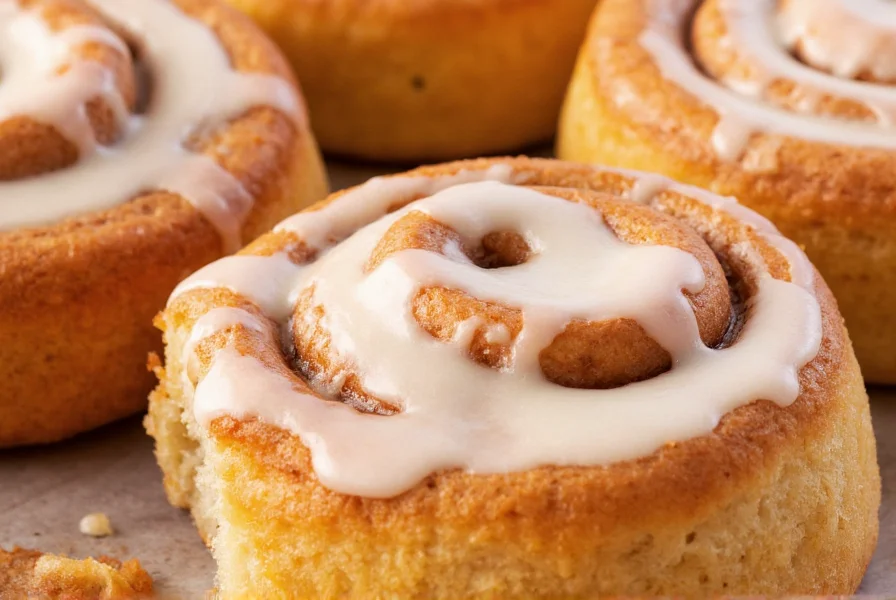
For home bakers, comparing your results to authentic pics of cinnamon rolls helps diagnose common baking issues. If your rolls lack the characteristic caramelized edges visible in professional images, you might need to adjust your baking time or sugar content. The absence of visible swirls in your finished product compared to reference images could indicate improper rolling technique or filling distribution.
Food bloggers and content creators benefit from knowing what makes cinnamon roll photography effective. The most engaging pics of cinnamon rolls for recipe sites show the product at optimal serving temperature - warm enough for the icing to melt slightly into the roll but not so hot that it creates steam that obscures details.
When searching for high-quality cinnamon roll images for educational purposes, prioritize sources that show the baking process stages. The best visual references include multiple images demonstrating dough preparation, rolling technique, proofing stages, and final presentation - not just the finished product.
Conclusion
Effective cinnamon roll photography serves as both inspiration and practical guidance. The most valuable pics of cinnamon rolls balance aesthetic appeal with authentic representation of the baking process and final product. By understanding what to look for in these images - proper coloring, visible swirl patterns, natural icing behavior, and characteristic caramelized edges - you can better evaluate both your own baking results and the reliability of visual references you encounter online.




 浙公网安备
33010002000092号
浙公网安备
33010002000092号 浙B2-20120091-4