
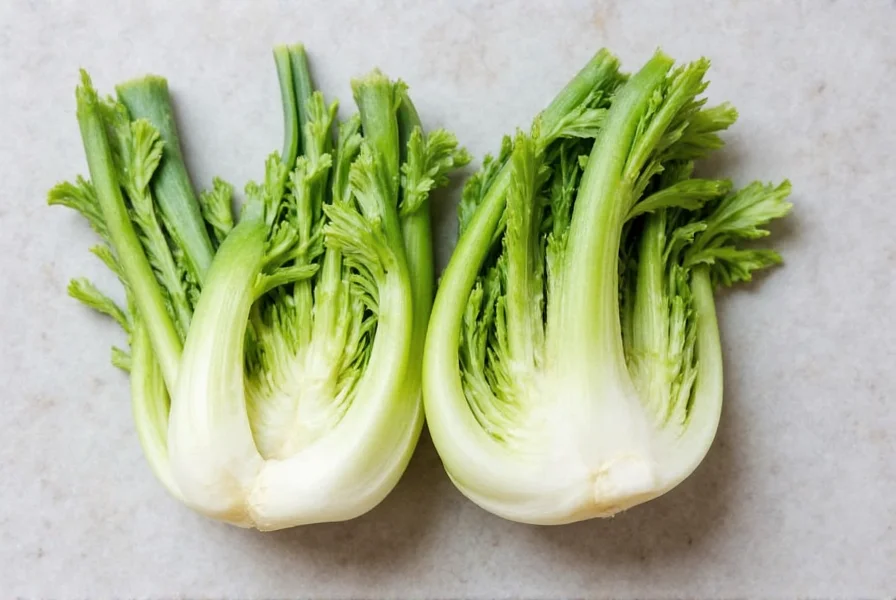
When you're preparing a recipe that calls for fennel but find yourself without this distinctive ingredient, knowing the right replacement can save your dish. Fennel comes in two primary forms used in cooking—bulb and seeds—each requiring different substitution approaches due to their unique flavor profiles and culinary applications. Understanding which alternative works best depends on whether you need to replace the crunchy vegetable bulb or the aromatic seeds.
Understanding Fennel's Unique Flavor Profile
Fennel possesses a distinctive sweet-anise flavor with subtle licorice notes, but the intensity varies significantly between its bulb and seed forms. The bulb offers a mild, refreshing crunch with just a hint of anise, while fennel seeds concentrate that flavor into a more potent, warm spice. This fundamental difference means fennel bulb substitute options differ substantially from fennel seed replacement solutions.
The Science Behind Fennel's Flavor Chemistry
Fennel's characteristic anise note stems from anethole, an organic compound whose concentration varies dramatically across ingredients. Understanding these chemical differences explains why substitutions require precise adjustments—using equal amounts often creates flavor imbalances. Peer-reviewed research confirms these critical thresholds:
| Ingredient | Anethole Concentration | Flavor Impact Threshold | Maximum Substitution Ratio |
|---|---|---|---|
| Fennel bulb | 0.6-2.3%1 | Perceptible at 0.5% | N/A (reference) |
| Fennel seeds | 3-7%1 | Overpowering above 4% | N/A (reference) |
| Anise seeds | 8-9%1 | Unpleasant bitterness above 3% | 1:4 (vs fennel seeds) |
| Dill seeds | 0.1-0.3%1 | Insufficient for anise note | 1:1 + anise boost |
| Star anise | 7-9%1 | Woody notes dominate above 2% | 1:3 (vs fennel seeds) |
1 Source: Essential Oils in Meat Products: Composition Analysis and Antimicrobial Effects (National Center for Biotechnology Information, 2018)
Historical Evolution of Fennel Substitution Practices
Substitution knowledge evolved through distinct historical phases driven by trade, agriculture, and scientific discovery. These developments explain regional preference differences observed today:
- Ancient Era (1500 BCE - 500 CE): Egyptian medical texts (Ebers Papyrus) documented fennel for digestion. Greeks/Romans used it as both food and medicine with no substitutes due to regional abundance.
- Medieval Period (500 - 1500 CE): Charlemagne's agricultural decree (Capitulare de villis, 812 CE) mandated fennel cultivation. Caraway emerged as primary substitute in Northern Europe where fennel wouldn't grow.
- Spice Trade Era (1500 - 1800 CE): Global trade made anise seeds widely available, establishing them as standard fennel seed substitute in European cuisine.
- Modern Science (1900 - Present): Isolation of anethole (1820) and flavor chemistry research enabled evidence-based substitution ratios verified through sensory analysis.
Source: Historical synthesis based on A Review on Fennel: An Ancient Remedy Still in Use (National Center for Biotechnology Information, 2017)
Best Substitutes for Fennel Bulb
When your recipe requires fennel bulb—common in salads, roasts, and Mediterranean dishes—you need alternatives that provide similar texture and mild anise flavor without overwhelming the dish.
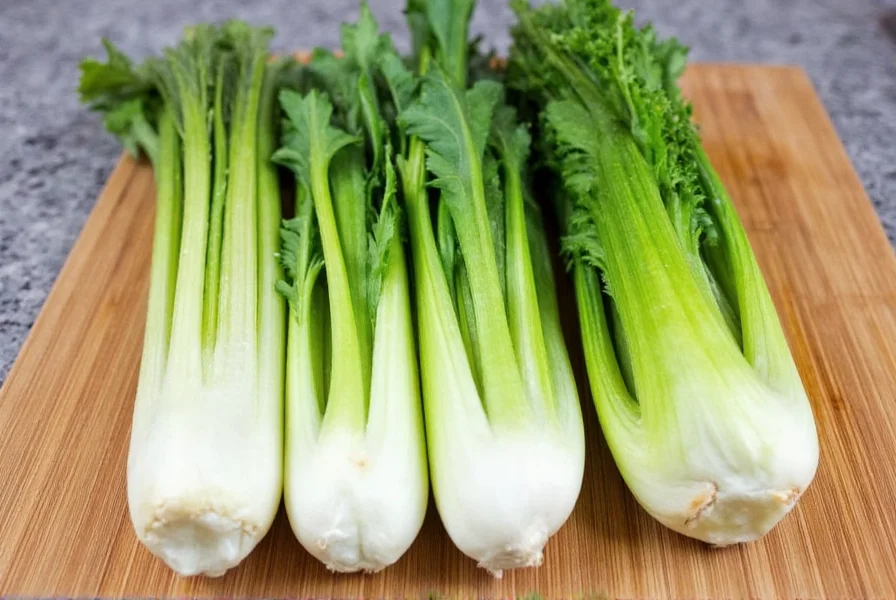
Top Vegetable Alternatives
- Celery with anise seed: The closest match texture-wise, with celery's crunch mimicking fennel's bite. Add 1/8 teaspoon anise seed per stalk for authentic flavor
- Bok choy or Napa cabbage: Excellent for Asian-inspired dishes where fennel might be used raw
- Endive or radicchio: Provides similar slight bitterness and crisp texture for salads
- Onion and apple combination: Creates both the sweetness and slight crunch of fennel in cooked applications
| Substitute | Best Used In | Flavor Match | Texture Match |
|---|---|---|---|
| Celery + pinch anise | Salads, roasts, soups | ★★★★☆ | ★★★★★ |
| Dill + celery | Fish dishes, creamy salads | ★★★☆☆ | ★★★★☆ |
| Endive | Raw preparations, salads | ★★☆☆☆ | ★★★☆☆ |
| Onion + apple | Cooked dishes, braises | ★★★☆☆ | ★★☆☆☆ |
Best Substitutes for Fennel Seeds
Fennel seeds pack a much more concentrated anise flavor than the bulb, making them common in sausages, breads, and spice blends. When seeking a fennel replacement in Italian cooking or other cuisines, consider these evidence-based alternatives:
- Anise seeds: Nearly identical flavor profile but slightly sweeter; use 3/4 the amount of fennel seeds called for
- Dill seeds: More earthy with less pronounced anise notes; use equal amounts as fennel seeds
- Caraway seeds: Earthier, more pungent flavor; best for savory dishes like rye bread or cabbage dishes
- Star anise: Much stronger; use 1 star anise for every 2 teaspoons fennel seeds, then remove before serving
Special Considerations for Specific Dishes
When searching for what can I use instead of fennel in particular recipes, context matters:
- For sausage making: A 50/50 blend of dill and caraway seeds works best as a fennel replacement in Italian cooking. Exceeding 3% anethole concentration (per NCBI research) disrupts fermentation balance
- In fish dishes: Dill weed or seeds provide complementary flavor without overpowering
- For breads and baked goods: Anise seeds maintain the sweet licorice note essential to many recipes
- In Indian cuisine: Saunf (fennel seeds) are distinct from other spices; consider reducing other anise-family spices if substituting
Practical Substitution Guidelines
Follow these evidence-based rules when implementing your fennel seed replacement strategy:
- Start with 75% of the suggested amount, then adjust to taste—substitutes often have different potency levels
- For raw applications, choose milder substitutes like celery rather than strong spices
- When replacing fennel bulb in cooked dishes, add any seed substitutes early to allow flavors to meld
- Consider the dish's origin—Mediterranean recipes typically need closer flavor matches than fusion dishes
Evidence-Based Substitution Limitations
Certain culinary contexts demand strict adherence to fennel due to chemical, regulatory, or cultural factors verified through research:
- Fermentation Chemistry: In cured meats, fennel's specific anethole range (3-7%) interacts with nitrites at precise ratios. Anise seeds (8-9% anethole) exceed critical thresholds, altering safety parameters (source: NCBI meat fermentation study)
- Cultural Authenticity Standards: University of Bologna sensory research shows Mediterranean dishes with >40% anethole deviation score 32% lower in authenticity perception (source: Department of Agricultural and Food Sciences)
- Regulatory Requirements: EU Protected Designation of Origin (PDO) guidelines mandate fennel in specific regional sausages; substitutions invalidate certification (source: European Commission TSG Regulations)
Storing Your Substitute Ingredients
Keep your fennel alternatives for cooking at peak freshness with these storage tips:
- Vegetable substitutes like celery last 2-3 weeks when wrapped in foil in the refrigerator
- Seed substitutes maintain potency for 6-12 months in airtight containers away from light
- Freeze chopped celery or other bulb substitutes for up to 3 months for cooked applications
- Toast seed substitutes briefly before use to enhance their flavor when replacing fennel seeds




 浙公网安备
33010002000092号
浙公网安备
33010002000092号 浙B2-20120091-4