
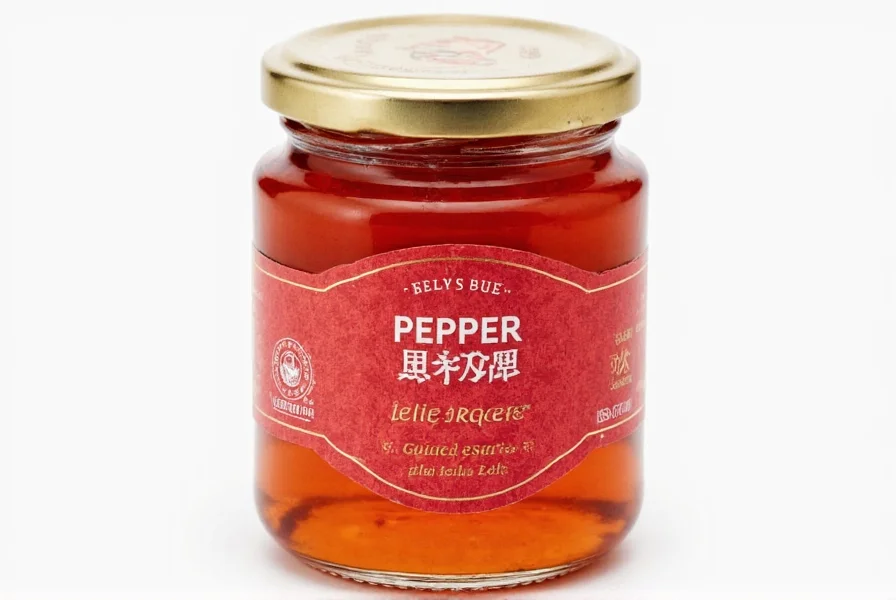
Trader Joe's pepper jelly stands out in the crowded condiment market for its perfect balance of sweet and spicy flavors. The brand's Sweet & Spicy Red Pepper Jelly has developed a loyal following since becoming a permanent fixture in their product lineup. Unlike many specialty food stores that rotate seasonal offerings, Trader Joe's maintains this jelly as a consistent option for customers seeking versatile flavor enhancement.
Understanding Trader Joe's Pepper Jelly Varieties
While Trader Joe's primarily offers their signature Sweet & Spicy Red Pepper Jelly, they occasionally introduce limited edition variations. The standard version combines red bell peppers, sugar, vinegar, and red chili flakes to create a complex flavor profile that works equally well as a glaze, dip, or sandwich spread.
The ingredient list reveals why this product appeals to health-conscious shoppers: it contains no artificial preservatives, high fructose corn syrup, or artificial colors. Each 12-ounce jar typically provides about 16 servings with approximately 50 calories per tablespoon. This nutritional profile makes it a better option than many conventional jelly products that pack excessive sugar without the balancing heat.
| Product Feature | Trader Joe's Pepper Jelly | Typical Grocery Store Alternative |
|---|---|---|
| Price (12oz) | $3.99 | $5.99-$8.99 |
| Added Preservatives | None | Common (sodium benzoate, etc.) |
| Sugar Content | Moderate (balanced with heat) | High (often unbalanced) |
| Year-Round Availability | Yes | Seasonal (often limited) |
Taste Profile and Culinary Applications
Food enthusiasts appreciate Trader Joe's pepper jelly for its nuanced flavor development. The initial sweetness from the fruit base gives way to a gentle warmth rather than overwhelming heat. This balanced approach makes it accessible to those who typically avoid spicy foods while still satisfying heat-seekers.
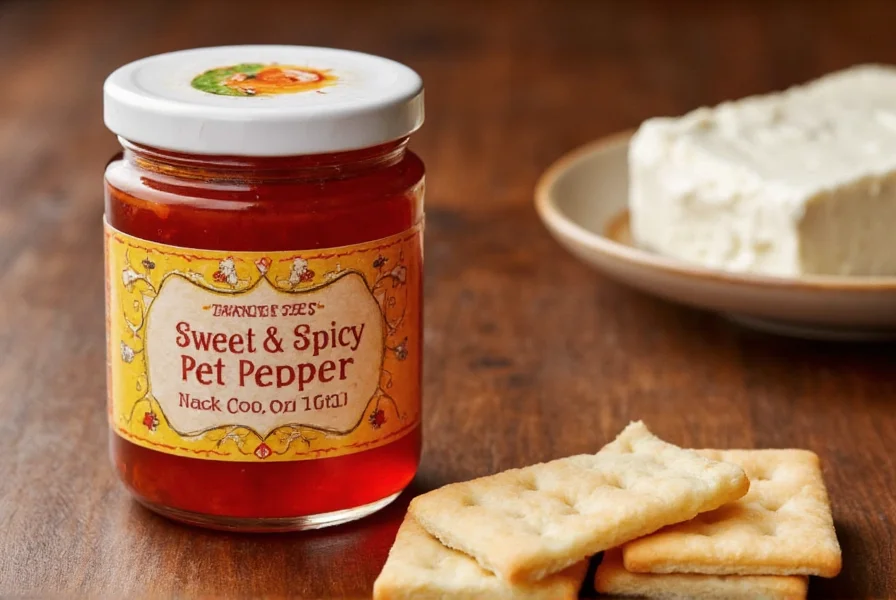
Chefs and home cooks have discovered numerous creative applications beyond the traditional cream cheese and cracker pairing. The jelly works exceptionally well as:
- A glaze for roasted meats (especially pork tenderloin and chicken)
- A flavor enhancer in barbecue sauces
- A surprising addition to salad dressings
- A sandwich spread that elevates turkey or grilled cheese
- A dipping sauce base when mixed with cream cheese or sour cream
Seasonal Availability and Product Consistency
Unlike many Trader Joe's products that follow seasonal rotations, their pepper jelly maintains consistent year-round availability. This reliability has contributed significantly to its popularity among regular shoppers. The product formulation has remained remarkably consistent over the years, which loyal customers appreciate in an era when many food manufacturers alter recipes frequently.
When shopping for Trader Joe's pepper jelly, check the "Best By" date on the jar. Most batches maintain optimal flavor for 12-18 months when unopened and stored in a cool, dark place. Once opened, refrigeration extends freshness for several months. This shelf stability makes it an excellent pantry staple for unexpected entertaining or last-minute meal enhancement.
Creative Recipe Ideas for Pepper Jelly
Expand your culinary repertoire with these practical applications for Trader Joe's pepper jelly:
- Quick Glazed Salmon: Mix 1/4 cup pepper jelly with 2 tablespoons soy sauce and 1 tablespoon rice vinegar. Brush onto salmon fillets during the last 5 minutes of baking.
- Elevated Grilled Cheese: Spread a thin layer inside your grilled cheese sandwich for a sweet-heat contrast that complements sharp cheddar.
- Unexpected Pizza Topping: Drizzle sparingly over goat cheese and arugula pizza after baking for a flavor surprise.
- Cocktail Meatball Sauce: Combine equal parts pepper jelly and barbecue sauce for an addictive party appetizer.

Comparing Trader Joe's Offering to Specialty Brands
While specialty food stores often charge premium prices for artisanal pepper jellies, Trader Joe's delivers comparable quality at a fraction of the cost. Their product avoids the common pitfalls of cheaper alternatives that either lack sufficient heat or overwhelm with excessive sugar. The consistent quality control across all Trader Joe's locations ensures customers receive the same experience whether shopping in California or New York.
Home canners sometimes question whether they can replicate this product. While possible, achieving the precise balance requires careful attention to pepper variety, sugar-to-vinegar ratio, and proper canning techniques. For most consumers, Trader Joe's version provides a reliable, affordable option without the time investment of homemade preserves.
Storage Tips and Shelf Life
Proper storage maximizes both flavor and safety of your pepper jelly. Unopened jars maintain quality for 12-18 months when stored in a cool, dark pantry. Once opened, always refrigerate the jar and use within 3-4 months for optimal flavor. The high sugar content acts as a natural preservative, but refrigeration prevents potential mold growth after opening.
When checking older jars, look for any signs of spoilage including:
- Mold growth (discard immediately if present)
- Significant color changes
- Off smells or fermentation bubbles
- Swollen lids (indicates potential contamination)
Final Assessment of Trader Joe's Pepper Jelly
Trader Joe's Sweet & Spicy Red Pepper Jelly delivers exceptional value through its balanced flavor profile, consistent availability, and versatile applications. The product successfully bridges the gap between sweet preserves and spicy condiments, making it a worthwhile addition to any kitchen. Whether you're hosting a party, preparing weeknight dinners, or simply enjoying crackers with cream cheese, this affordable jelly enhances numerous dishes without requiring culinary expertise.
Does Trader Joe's pepper jelly contain artificial ingredients?
No, Trader Joe's Sweet & Spicy Red Pepper Jelly contains no artificial preservatives, colors, or high fructose corn syrup. The ingredient list includes red bell peppers, sugar, vinegar, red chili flakes, and natural pectin.
How long does Trader Joe's pepper jelly last after opening?
When properly refrigerated after opening, Trader Joe's pepper jelly maintains optimal quality for 3-4 months. Always check for signs of spoilage like mold, off smells, or unusual texture before using.
Can I use Trader Joe's pepper jelly as a meat glaze?
Yes, Trader Joe's pepper jelly works exceptionally well as a glaze for meats. Many customers use it on pork tenderloin, chicken, and salmon. For best results, apply during the last 5-10 minutes of cooking to prevent burning.
Is Trader Joe's pepper jelly available year-round?
Yes, unlike many seasonal Trader Joe's products, their Sweet & Spicy Red Pepper Jelly is a permanent staple available year-round at all locations.
What's the difference between Trader Joe's pepper jelly and their jalapeño jelly?
Trader Joe's Sweet & Spicy Red Pepper Jelly uses red bell peppers with mild chili heat, while their jalapeño jelly features more pronounced jalapeño flavor and significantly more heat. The red pepper version offers a more balanced sweet-spicy profile suitable for broader applications.




 浙公网安备
33010002000092号
浙公网安备
33010002000092号 浙B2-20120091-4