
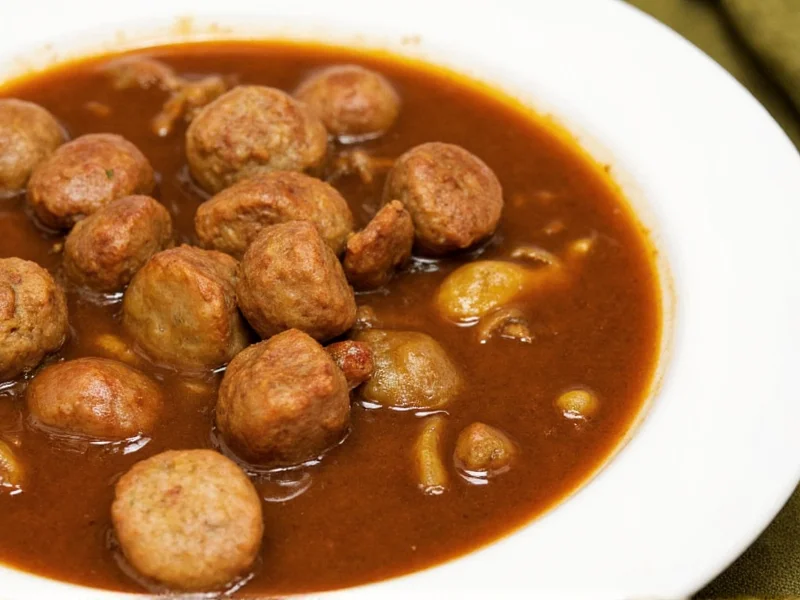
The Heart of Louisiana: Understanding Sausage Gumbo
Sausage gumbo represents one Louisiana's most beloved culinary traditions, blending French, African, and Spanish influences into a single comforting dish. Unlike seafood or chicken gumbo variations, sausage gumbo provides a robust, smoky flavor profile that satisfies even the heartiest appetite. The dish's foundation rests on three critical elements: a properly cooked roux, the holy trinity of vegetables, and quality smoked sausage.
Historical Evolution of Gumbo: A Cultural Timeline
Gumbo's development mirrors Louisiana's complex cultural journey. Documented by the Louisiana State Museum, key milestones demonstrate how regional influences shaped this iconic dish:
- 1700s: West African and Choctaw communities introduced okra ("ki ngombo" in Bantu languages) and filé powder (ground sassafras) as thickeners
- Early 1800s: French settlers adapted the French roux technique using local ingredients, creating the foundational thickener
- Late 1800s: German immigrants popularized smoked sausages in rural areas, while Spanish influences brought tomatoes to New Orleans Creole versions
- 1980: Louisiana Legislature officially recognized gumbo as the state cuisine through House Concurrent Resolution 56
- Present: Distinct regional variations (Creole vs. Cajun) coexist as cultural symbols across Louisiana
Source: Louisiana State Museum - Gumbo Teaching Resource
Essential Components of Authentic Sausage Gumbo
The magic of gumbo happens through careful layering of flavors. While recipes vary across Louisiana households, certain elements remain consistent in any authentic Creole sausage gumbo. Understanding these components helps you create a dish that honors tradition while allowing for personal touches.
Creole vs. Cajun: Regional Variations Compared
While both styles share foundational elements, documented differences reflect Louisiana's cultural geography. Based on Louisiana State Museum archives and LSU Ag Center culinary research, key distinctions include:
| Feature | Creole Gumbo | Cajun Gumbo |
|---|---|---|
| Geographic Origin | New Orleans (urban) | Acadiana (rural southwest Louisiana) |
| Tomato Presence | Standard ingredient | Rarely used |
| Roux Color | Medium-brown ("peanut butter") | Dark chocolate brown |
| Primary Protein | Seafood or chicken | Sausage or game meats |
| Cultural Influences | French, Spanish, African | French Acadian, minimal Spanish |
Source: Louisiana State Museum and LSU Ag Center - Gumbo Safety Guidelines
The Roux: Foundation of Flavor
No easy sausage gumbo recipe for beginners can succeed without proper attention to the roux. This simple mixture of equal parts fat and flour transforms from pale yellow to rich chocolate brown through careful cooking. The darker the roux, the more complex the flavor, but also the less thickening power it provides. For sausage gumbo, aim for a medium-dark "peanut butter" color that balances flavor and thickness.
Holy Trinity: The Flavor Base
Unlike mirepoix (the French combination of onions, carrots, and celery), Louisiana's holy trinity consists of equal parts onions, celery, and green bell peppers. This aromatic base provides the essential vegetable foundation for your traditional Creole sausage gumbo. Chop these vegetables uniformly to ensure even cooking.
| Ingredient | Traditional Amount | Function |
|---|---|---|
| All-purpose flour | 1 cup | Roux base for thickening and flavor |
| Vegetable oil | 1 cup | Fat for roux creation |
| Onion (diced) | 1 large | Holy trinity component |
| Celery (diced) | 1 cup | Holy trinity component |
| Green bell pepper (diced) | 1 cup | Holy trinity component |
| Smoked sausage (sliced) | 1 pound | Primary protein source |
| Chicken stock | 4 cups | Broth base |
Complete Sausage Gumbo Recipe
This authentic Louisiana sausage gumbo serves six and takes approximately 1 hour and 20 minutes from start to finish. While gumbo requires attention during the roux-making process, much of the cooking time involves simmering, allowing flavors to develop naturally.
Ingredients
- 1 cup all-purpose flour
- 1 cup vegetable oil
- 1 large yellow onion, finely diced
- 1 cup celery, finely diced
- 1 cup green bell pepper, finely diced
- 4 cloves garlic, minced
- 1 pound smoked sausage (Andouille preferred), sliced into 1/4-inch rounds
- 4 cups chicken stock
- 2 bay leaves
- 1 teaspoon dried thyme
- 1/2 teaspoon cayenne pepper (adjust to taste)
- Salt and black pepper to taste
- 4 cups cooked white rice, for serving
- Filé powder (optional, for serving)
Step-by-Step Instructions
- Prepare the roux: In a heavy-bottomed pot or Dutch oven, combine flour and oil over medium heat. Stir constantly with a wooden spoon, making sure to reach all corners of the pot. The mixture will gradually darken from blonde to peanut butter color (about 20-25 minutes). Never leave roux unattended as it can burn quickly.
- Add holy trinity: Once roux reaches a medium-dark brown color, immediately add onions, celery, and bell peppers. Stir well to coat vegetables in roux. Cook for 5-7 minutes until vegetables soften but don't brown.
- Incorporate garlic and sausage: Add minced garlic and sliced sausage. Cook for 3-4 minutes, allowing sausage to release some of its fat and flavor into the mixture.
- Add liquid ingredients: Gradually pour in chicken stock while stirring constantly to prevent lumps. Add bay leaves, thyme, and cayenne pepper. Bring to a gentle boil, then reduce heat to low.
- Simmer: Cover and simmer for 45-60 minutes, stirring occasionally. The gumbo should thicken to a stew-like consistency. If too thick, add additional stock or water; if too thin, simmer uncovered for additional 10-15 minutes.
- Season and serve: Remove bay leaves. Season with salt and black pepper to taste. Serve hot over steamed white rice, with filé powder on the side for those who prefer it.
Critical Techniques for Perfect Sausage Gumbo
Mastering these techniques transforms a good sausage gumbo recipe into an exceptional one:
Roux Mastery
The roux makes or breaks your gumbo. For a creamy sausage gumbo without okra, the roux provides both thickening and deep flavor. When the roux reaches a dark copper penny color, it develops complex nutty flavors while maintaining enough thickening power. If you smell smoke, the roux has burned and must be discarded—starting over is better than ruining your entire batch.
Simmering Science
While some quick sausage gumbo recipe under 1 hour versions exist, authentic gumbo benefits from proper simmering time. The 45-60 minute simmer allows flavors to meld and the sausage to become tender without falling apart. Resist the urge to rush this step—gumbo often tastes better the next day after flavors have fully integrated.
Cultural Context: Filé Powder Usage Boundaries
Traditional filé powder application follows specific cultural protocols documented by Louisiana culinary authorities. These context boundaries prevent common preparation errors:
- When to use: Only add filé after removing gumbo from heat (boiling causes stringiness) and never to seafood gumbo (traditional Choctaw practice reserved it for meat-based versions)
- When to avoid: Never combine with okra (creates excessive thickness) and avoid in commercial settings where FDA regulations restrict sassafras use (modern processing removes safrole, but commercial products often omit it)
- Regional limits: Primarily used in northern Louisiana; southern regions favor okra or roux alone. Authentic New Orleans restaurants rarely offer filé, reflecting Creole culinary traditions
Source: LSU Ag Center - Gumbo Safety Guidelines
Common Mistakes to Avoid
Even experienced cooks make these errors when preparing best sausage for gumbo recipe dishes:
- Burning the roux: This is the most common mistake. Use medium heat, constant stirring, and patience. If you must step away, reduce heat to low.
- Adding cold stock to hot roux: This can cause dangerous splattering. Let roux cool slightly or warm stock before adding.
- Over-seasoning early: Sausage contains salt, so wait until near the end to adjust salt levels.
- Rushing the vegetable cooking: The holy trinity needs time to soften and release flavors before adding liquid.
- Using the wrong sausage: Andouille provides the traditional smoky flavor, but kielbasa works in a pinch. Avoid sweet Italian sausage which alters the flavor profile significantly.
Serving Suggestions and Traditional Accompaniments
Authentic gumbo service follows specific traditions that enhance the experience:
- Rice preparation: Use long-grain white rice cooked with a pinch of salt. The rice should be fluffy, not sticky, to properly absorb the gumbo broth.
- Garnishes: Offer chopped green onions, fresh parsley, and hot sauce at the table for customization.
- Filé powder: This ground sassafras leaves, traditional in Choctaw gumbo, adds earthy flavor and additional thickening. Add it to individual bowls rather than the whole pot to prevent over-thickening.
- Side dishes: Simple green salad, crusty French bread, or cornbread complement gumbo without overwhelming its complex flavors.
Storage and Reheating Instructions
Proper storage ensures your authentic Louisiana sausage gumbo maintains quality:
- Cooling: Allow gumbo to cool to room temperature (within 2 hours of cooking) before storing.
- Refrigeration: Store in airtight containers for up to 4 days. Gumbo often tastes better the next day as flavors continue to meld.
- Freezing: Freeze in portion-sized containers for up to 3 months. Thaw overnight in refrigerator before reheating.
- Reheating: Warm gently over medium-low heat, adding small amounts of water or stock if needed to reach desired consistency. Avoid boiling vigorously which can break down the sausage.
Recipe Variations to Explore
Once you've mastered the traditional Creole sausage gumbo, consider these authentic variations:
- Spicy Cajun version: Increase cayenne to 1 teaspoon and add 1 diced jalapeño with the holy trinity.
- Sausage and chicken gumbo: Add 1 pound boneless, skinless chicken thighs during the last 30 minutes of simmering.
- Seafood addition: Stir in 1/2 pound shrimp during the last 5 minutes of cooking for a Creole hybrid.
- Vegan adaptation: Substitute smoked sausage with smoked tofu or seitan, use vegetable stock, and replace roux fat with olive oil.




 浙公网安备
33010002000092号
浙公网安备
33010002000092号 浙B2-20120091-4