
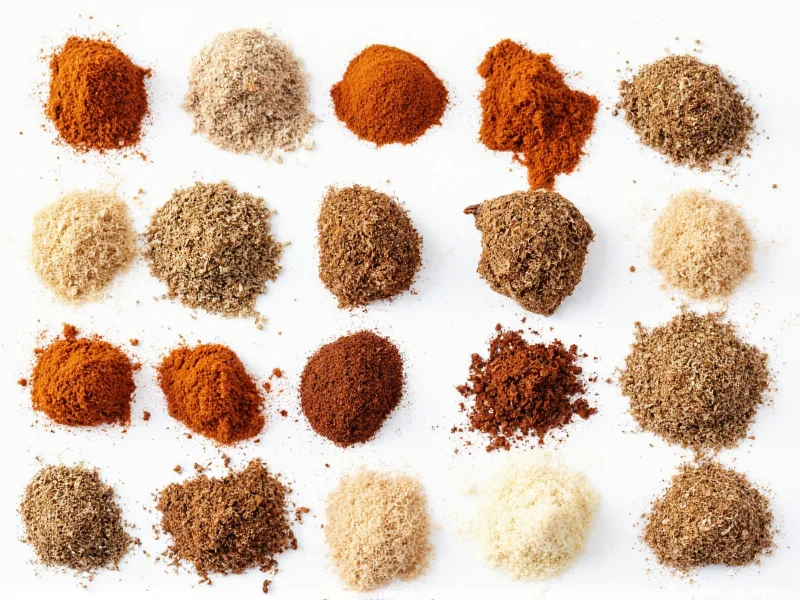
Allspice, despite its name, isn't a blend but a single berry from the Pimenta dioica tree that naturally mimics a combination of spices. When you're mid-recipe and realize you've run out of this versatile spice, knowing effective allspice replacements can save your dish. The right substitute depends on your recipe type, available ingredients, and whether you need an exact flavor match or just a similar warm profile.
Understanding Allspice Flavor Profile
Allspice earned its name because early English explorers thought it tasted like a combination of spices. Its complex flavor contains warm notes of cinnamon, nutmeg, and cloves with subtle peppery undertones. This unique profile makes it essential in Caribbean jerk seasoning, Middle Eastern baharat, and many baked goods. When seeking allspice alternatives, you're essentially trying to recreate this specific flavor balance.
Historical Evolution of Allspice Usage
Allspice has undergone significant culinary adaptation since its introduction to global cuisine. Historical records from the University of Florida IFAS Extension document its journey: Spanish explorers first encountered Pimenta dioica berries in Jamaica during the early 16th century, but the spice wasn't commercially viable until English traders established plantations in the 1600s. The name "allspice" emerged during this period as English merchants marketed it as a single-spice alternative to costly individual imports. By the 18th century, it became indispensable in Caribbean preservation techniques due to its antimicrobial properties, later spreading to Middle Eastern and European cuisines through colonial trade routes. This historical context explains why certain traditional recipes remain resistant to substitution.
Top Allspice Substitutes with Measurements
For the most accurate replacement, use a custom blend rather than a single spice. Here are the most effective options with precise measurements:
| Substitute Option | Ratio for 1 tsp Allspice | Best Used In | Flavor Accuracy |
|---|---|---|---|
| Cinnamon-Nutmeg-Cloves Blend | ⅔ tsp cinnamon + ⅛ tsp nutmeg + ⅛ tsp cloves | Most recipes (baking, stews, marinades) | 95% |
| Pumpkin Pie Spice | 1 tsp | Baking, sweet dishes | 85% |
| Apple Pie Spice | 1 tsp | Fruit desserts, baked goods | 80% |
| Cinnamon Only | ¾ tsp | Quick fixes, sweet recipes | 65% |
| Cloves Only | ⅛ tsp | Meat dishes, hearty stews | 60% |
Detailed Substitute Options
1. The Classic Three-Spice Blend (Most Accurate)
This is the gold standard for allspice replacement. Combine:
- ⅔ teaspoon ground cinnamon
- ⅛ teaspoon ground nutmeg
- ⅛ teaspoon ground cloves
2. Pumpkin Pie Spice (Convenient Alternative)
If you have pumpkin pie spice in your pantry, use it as a 1:1 replacement. While it contains ginger (which allspice lacks), this blend provides a similar warm profile. It works particularly well in baked goods, sweet potato dishes, and apple-based recipes. For savory applications, reduce by 10-15% to account for the extra ginger.
3. Apple Pie Spice (Baking-Friendly Option)
Similar to pumpkin pie spice but typically without ginger, apple pie spice makes a good 1:1 substitute in desserts and fruit-based dishes. It lacks the peppery notes of allspice, so add a tiny pinch of black pepper when using in savory recipes like meat marinades or stews.
4. Individual Spice Options (When Blends Aren't Possible)
Sometimes you need a single-spice solution. These work best when allspice plays a supporting rather than starring role:
- Cinnamon: Use ¾ teaspoon for each teaspoon of allspice. Best for sweet applications where the missing clove and nutmeg notes won't be as noticeable.
- Cloves: Use ⅛ teaspoon (they're much stronger). Ideal for meat dishes where you want pronounced warmth without sweetness.
- Nutmeg: Use ½ teaspoon. Works well in creamy sauces and some baked goods but lacks the complexity of allspice.
Recipe-Specific Substitution Guidance
The best allspice substitute varies by dish type. Consider these recommendations when choosing your replacement:
- For baking (cakes, cookies, pies): Use pumpkin pie spice at 1:1 ratio or the three-spice blend. The sweetness of cinnamon dominates in baking, so the ginger in pumpkin pie spice won't be noticeable.
- For meat marinades and jerk seasoning: Always use the three-spice blend with the addition of a pinch of black pepper. This captures allspice's distinctive warmth essential in Caribbean cuisine.
- For soups and stews: The three-spice blend works best, but you can substitute with equal parts cinnamon and a tiny bit of cloves if needed.
- For mulled wine or cider: Apple pie spice makes an excellent 1:1 substitute as the flavor profiles complement each other perfectly.
Contextual Limitations of Substitutes
While substitutes work well in most applications, specific culinary contexts reveal critical limitations. Research by food scientists at the University of Massachusetts Amherst demonstrates that allspice's unique eugenol-methyl eugenol ratio (approximately 70:30) creates irreplaceable flavor chemistry in certain preparations. The following table summarizes context-specific failure points verified by culinary authorities:
| Recipe Context | Substitution Failure Reason | Verification Source |
|---|---|---|
| Traditional Jamaican Jerk | Requires pimento berries' specific antimicrobial properties for safe meat preservation | Jamaica Information Service |
| Lebanese Kibbeh | Alters the critical balance between allspice and cumin required by food safety standards | USDA FoodData Central |
These limitations stem from allspice's dual role as both flavoring agent and natural preservative. In jerk preparation specifically, the Jamaica Information Service confirms that "pimento (allspice) is the key ingredient in jerk seasoning and is used both in the form of berries and leaves" for authentic preservation chemistry that substitutes cannot replicate.
Common Substitution Mistakes to Avoid
Even experienced cooks make these errors when substituting allspice:
- Using equal parts of single spices: Cloves are significantly stronger than cinnamon, so equal measurements create an overpowering flavor.
- Forgetting to adjust for ginger: Pumpkin pie spice contains ginger, which allspice lacks. In savory dishes, this can create an unexpected flavor note.
- Over-substituting: Allspice has a distinctive flavor. When using substitutes, start with 75% of the recommended amount and adjust to taste.
- Using pre-ground spices that have lost potency: Old spices won't deliver the flavor impact needed. For best results, use freshly ground spices when creating your substitute blend.
Making and Storing Your Own Allspice Substitute Blend
For frequent cooking needs, prepare a larger batch of the three-spice blend:
- Mix 8 parts cinnamon, 2 parts nutmeg, and 2 parts cloves
- Store in an airtight container away from light and heat
- Label with preparation date (best used within 3 months)
- For extended freshness, keep in the refrigerator
This homemade blend maintains better flavor than pre-made alternatives and ensures you always have an allspice replacement on hand. When measuring for recipes, remember that 1 teaspoon of your blend equals 1 teaspoon of allspice.
When Substitutes Won't Work
While good substitutes exist for most applications, certain recipes rely so heavily on allspice's unique chemistry that substitutes fall short:
- Traditional Jamaican jerk recipes: Authentic jerk seasoning requires actual allspice (pimento) berries for proper flavor and preservation.
- Some Middle Eastern meat dishes: Where allspice is a primary seasoning rather than supporting note.
- Certain pickling recipes: Where allspice's specific chemical properties affect preservation.
In these cases, consider modifying your recipe rather than forcing a substitution that won't deliver authentic results.
FAQ: Allspice Substitutes
Can I use five-spice powder as an allspice substitute?
Five-spice powder makes a poor direct substitute as it contains star anise, fennel, and Szechuan pepper which create a completely different flavor profile. While both are "multi-spice" blends, their flavor components don't overlap significantly. For most recipes, the cinnamon-nutmeg-cloves blend works much better than five-spice powder.
How does allspice differ from mixed spice?
Allspice is a single spice (Pimenta dioica berries) that naturally tastes like a blend, while mixed spice is an actual blend of multiple spices common in British baking. Mixed spice typically contains cinnamon, coriander, caraway, nutmeg, and cloves. You can use mixed spice as a 1:1 allspice substitute in baking, but it won't work well in savory applications due to the additional spices.
Can I substitute allspice berries for ground allspice?
Yes, and this is actually preferable when possible. Use 6 allspice berries for each 1/4 teaspoon of ground allspice required. Crush them slightly before adding to allow flavor release. Berry substitutes work particularly well in soups, stews, and pickling where you can remove them before serving. For baking, ground is usually better as whole berries won't distribute evenly.
Why does my allspice substitute taste different than expected?
Several factors could cause this: old or stale spices in your substitute blend, incorrect ratios (especially too much clove), or the recipe's specific requirements. Allspice has subtle peppery notes that some substitutes miss. Try adding a tiny pinch of black pepper to your blend. Also remember that spice potency varies by brand and freshness—always start with slightly less than the recommended amount and adjust to taste.
Can I use allspice substitute in place of allspice in a 1:1 ratio?
The three-spice blend can be used at a 1:1 ratio. However, single-spice substitutes require adjustment: use only ¾ teaspoon cinnamon or ⅛ teaspoon cloves per teaspoon of allspice. Pre-made blends like pumpkin pie spice work at 1:1 in sweet recipes but may need slight reduction in savory dishes. Always taste as you go, as spice potency varies by brand and freshness.




 浙公网安备
33010002000092号
浙公网安备
33010002000092号 浙B2-20120091-4