
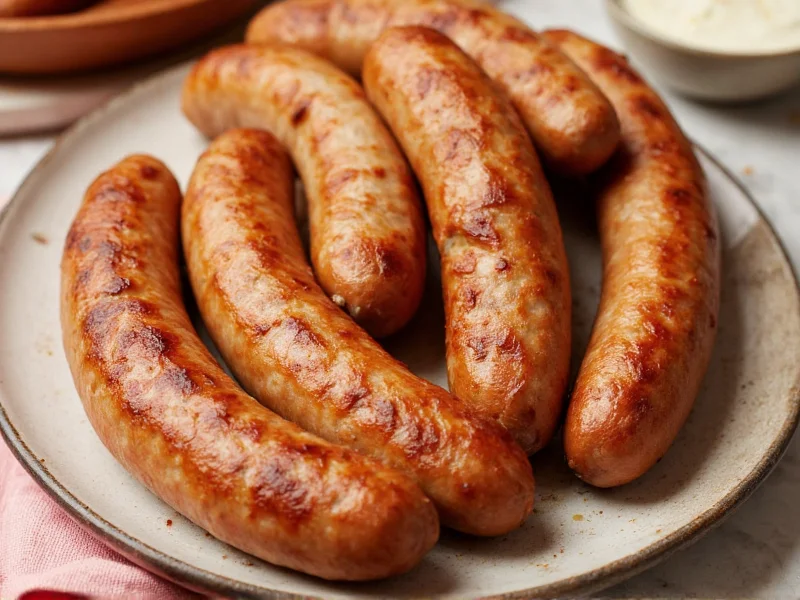
Discover the world of sausage dishes through these essential categories that transform this humble ingredient into memorable meals. Whether you're a beginner or experienced cook, understanding sausage varieties and their ideal applications elevates your culinary repertoire significantly.
Understanding Sausage Types for Cooking
Not all sausages serve the same purpose in the kitchen. Fresh sausages like Italian pork or breakfast varieties require thorough cooking, while smoked varieties like kielbasa offer more flexibility. Cured sausages such as salami work best in cold applications or as flavor enhancers. Recognizing these differences prevents common cooking mistakes and ensures optimal results for your sausage dishes.
| Sausage Type | Best Cooking Method | Ideal Dish Applications | Cooking Time |
|---|---|---|---|
| Fresh pork sausage | Parboil then pan-sear | Breakfast plates, pasta sauces | 15-20 minutes |
| Bratwurst | Simmer in beer then grill | German platters, sandwiches | 25-30 minutes |
| Chorizo | Render fat before adding ingredients | Paella, stews, bean dishes | 10-15 minutes |
| Kielbasa | Grill or pan-fry after brief boiling | Stews, casseroles, sandwiches | 12-18 minutes |
| Andouille | Add to simmering liquids | Gumbos, jambalaya, bean pots | 20-25 minutes |
Perfecting Basic Sausage Cooking Techniques
Master these fundamental methods to create exceptional sausage dishes every time. Never pierce sausages during cooking—this releases precious juices and fats that keep them moist. For fresh sausages, start with a cold pan and gradually increase heat to render fat slowly. When grilling, use indirect heat after an initial sear to prevent flare-ups while ensuring thorough cooking. The internal temperature should reach 160°F (71°C) for pork sausages and 165°F (74°C) for poultry varieties.
Breakfast Sausage Dishes Beyond the Basics
Move beyond standard links with these elevated breakfast sausage dishes. Try crumbling cooked sausage into savory waffle or pancake batter for protein-packed morning treats. Sausage hash featuring diced potatoes, onions, and bell peppers creates a satisfying brunch centerpiece. For healthier options, incorporate turkey sausage into vegetable frittatas or egg muffins. The secret to exceptional breakfast sausage dishes lies in balancing richness with acidic components—consider finishing with a squeeze of fresh lemon or a vinegar-based hot sauce.
Hearty Dinner Entrees Featuring Sausage
Sausage transforms simple ingredients into impressive dinner entrees with minimal effort. Italian sausage pasta dishes benefit from reserving pasta water to create a silky emulsion with rendered sausage fat. For authentic Spanish chorizo dishes, simmer the sausage with white beans and smoked paprika for depth of flavor. Southern-style sausage dishes like jambalaya require proper 'holy trinity' preparation (onions, celery, and bell peppers) before adding andouille. When creating sausage casseroles, layer partially cooked sausage to prevent overcooking during baking.
Global Sausage Specialties Worth Trying
Explore international sausage dishes that showcase regional culinary traditions. Germany's Bratwurst mit Sauerkraut combines grilled sausages with fermented cabbage and caraway seeds. France's Chipolata aux Choux features small sausages braised with Brussels sprouts in white wine. Mexico's Chorizo con Huevo creates a spicy breakfast staple with scrambled eggs and fresh chorizo. Thailand's Sai Ua offers a unique herbal sausage often served with sticky rice and fresh vegetables. Each culture has perfected sausage dishes that reflect local ingredients and flavor preferences.
Modern Twists on Classic Sausage Dishes
Innovative sausage dishes incorporate contemporary techniques while respecting traditional foundations. Try making sausage-stuffed mushrooms with Italian sausage and cream cheese for elegant appetizers. Transform breakfast sausage into savory scones or biscuits for brunch gatherings. Create sausage pizza with crumbled chorizo, roasted peppers, and manchego cheese for a Spanish-inspired treat. For healthier sausage dinner ideas, use turkey sausage in zucchini noodle pasta dishes or lettuce wraps. The key to successful modern sausage dishes is maintaining the ingredient's essential character while introducing complementary elements.
Serving and Pairing Sausage Dishes
Thoughtful pairings elevate sausage dishes from simple meals to culinary experiences. Rich pork sausage dishes balance beautifully with acidic sides like sauerkraut, apple slaw, or tomato-based sauces. Beer remains the classic beverage pairing, with darker varieties complementing smoked sausages and lighter pilsners matching breakfast varieties. For wine pairings, medium-bodied reds like Pinot Noir work well with most sausage dishes, while crisp whites enhance poultry-based sausages. When plating sausage dishes, consider color contrast—serve dark sausages against bright vegetable sides for visual appeal.
Frequently Asked Questions
What's the best way to prevent sausages from splitting during cooking?
Start sausages in cold water or a cold pan, then gradually increase heat. This allows fat to render slowly without creating pressure that causes casings to burst. Never pierce sausages with a fork during cooking, as this releases juices. For grilling, use indirect heat after an initial sear to finish cooking without flare-ups.
Can I freeze cooked sausage dishes for later use?
Yes, most cooked sausage dishes freeze well for 2-3 months. Cool completely before storing in airtight containers with minimal headspace. Sausage pasta dishes and casseroles freeze particularly well. When reheating, add a splash of liquid to prevent drying. Avoid freezing dishes with delicate vegetables that may become mushy upon thawing.
How do I know when sausage is fully cooked?
Use a meat thermometer to check internal temperature—160°F (71°C) for pork sausages and 165°F (74°C) for poultry varieties. The sausage should feel firm but not hard, with clear juices (not pink). For smoked sausages like kielbasa, they're typically pre-cooked but benefit from heating through to 140°F (60°C) for optimal texture and flavor.
What are the best sides for sausage dishes?
Traditional pairings include sauerkraut, mashed potatoes, and braised greens. For lighter options, try roasted vegetables, apple slaw, or cucumber salad. Grain-based sides like polenta, rice pilaf, or crusty bread work well for soaking up flavorful sauces. Acidic components like mustard, pickles, or vinegar-based slaws help cut through the richness of sausage dishes.
Can I make healthy sausage dishes without sacrificing flavor?
Absolutely. Choose leaner sausage varieties like turkey or chicken sausage, and enhance flavor with herbs, spices, and aromatics rather than additional fat. Incorporate vegetables generously—try sausage and vegetable stir-fries or pasta dishes with extra zucchini and bell peppers. For breakfast sausage dishes, pair with fresh fruit instead of additional starches. The key is balancing protein with fiber-rich components for satisfying, nutritious meals.




 浙公网安备
33010002000092号
浙公网安备
33010002000092号 浙B2-20120091-4