
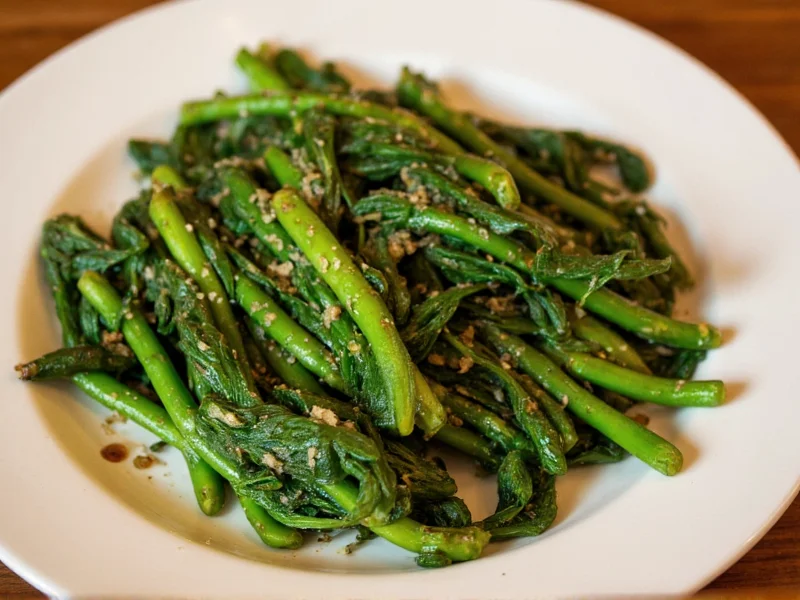
Grilling transforms ordinary leafy greens into extraordinary side dishes with complex smoky flavors and appealing char marks. Unlike boiling or steaming, the high-heat sear of grilling caramelizes natural sugars while preserving essential nutrients, creating a culinary experience that elevates simple vegetables into restaurant-quality accompaniments.
Why Certain Greens Excel on the Grill
Not all leafy vegetables withstand direct flame exposure equally. Greens with sturdy, thick leaves and substantial rib structures maintain integrity during grilling. The cellular composition of these vegetables allows them to develop desirable char without disintegrating. When exposed to intense heat, the Maillard reaction creates complex flavor compounds while controlled wilting concentrates natural sugars.
| Green Variety | Optimal Grill Temp | Prep Time | Grill Time | Flavor Profile |
|---|---|---|---|---|
| Romaine lettuce | 400°F | 5 minutes | 2-3 minutes | Smoky-sweet with crisp edges |
| Kale (curly) | 375°F | 10 minutes | 4-5 minutes | Earthy with nutty char notes |
| Collard greens | 425°F | 15 minutes | 6-8 minutes | Robust with subtle bitterness |
| Radicchio | 375°F | 5 minutes | 3-4 minutes | Bitter-sweet with caramelized edges |
Essential Preparation Techniques for Perfect Grilled Greens
Successful grilled greens begin with proper preparation. Start by selecting fresh, crisp vegetables with no yellowing or wilting. Wash thoroughly and dry completely—moisture creates steam instead of desirable char. For larger leaves like collards, remove tough center ribs. Tear kale into uniform pieces. Cut romaine hearts lengthwise into 1-inch thick wedges, keeping the core intact to hold leaves together.
Marinating isn't necessary but a light coating of high-heat oil (avocado or grapeseed) prevents sticking and promotes even charring. Season simply with coarse salt and freshly ground pepper just before grilling. Avoid sugary marinades that burn quickly. For acid-loving greens like kale, add lemon juice or vinegar after grilling to preserve texture.
Mastering the Grilling Process
Preheat your grill to medium-high (375-450°F) with clean grates. For charcoal grills, arrange coals for two-zone cooking—direct heat for searing, indirect for finishing. Gas grill users should preheat with all burners on high, then reduce to medium.
Place greens perpendicular to grates to prevent falling through. Grill times vary by vegetable density:
- Romaine: 2-3 minutes per side until grill marks appear and outer leaves soften
- Kale: 4-5 minutes, turning once, until edges curl slightly
- Collards: 6-8 minutes, flipping occasionally, until tender but not mushy
- Radicchio: 3-4 minutes until charred but still holding shape
Remove when greens show distinct char marks but retain structural integrity. Overcooking destroys texture—perfectly grilled greens should have tender-crisp consistency. Transfer immediately to a platter and finish with flaky salt, citrus zest, or a drizzle of aged balsamic.
Nutritional Benefits of Grilled Greens
Grilling preserves more nutrients than boiling, particularly water-soluble vitamins like vitamin C and B-complex vitamins. The dry-heat method concentrates phytonutrients while making certain antioxidants more bioavailable. Charred edges contain beneficial compounds formed during the Maillard reaction that may have anti-inflammatory properties.
Compared to raw consumption, grilled greens often improve mineral absorption. The heat breaks down oxalic acid in vegetables like chard and spinach, increasing calcium and iron bioavailability. For those seeking healthy grilled side dishes, this cooking method enhances nutritional value while adding complex flavors without excessive fats or calories.
Flavor Pairing Suggestions for Grilled Leafy Vegetables
Maximize your grilled greens experience with thoughtful flavor combinations. The smoky base pairs exceptionally well with:
- Citrus elements: Lemon zest, orange segments, or yuzu kosho enhance bitterness
- Umami boosters: Shaved Parmesan, nutritional yeast, or mushroom powder
- Texture contrasts: Toasted nuts, seeds, or crispy chickpeas
- Acidic components: Quick-pickled onions or preserved lemon
For grilled romaine salad recipes, combine charred lettuce with creamy avocado, radish slices, and a light anchovy dressing. Smoky grilled kale shines with toasted pine nuts, dried cranberries, and apple cider vinaigrette. Experiment with global flavors—try Korean gochujang glaze on collards or North African harissa on chard.
Troubleshooting Common Grilling Challenges
Even experienced grillers encounter issues with leafy vegetables. When greens stick to grates, insufficient preheating or inadequate oiling are usually culprits. Prevent this by ensuring grates are scorching hot and well-oiled before adding vegetables.
If greens burn before cooking through, reduce heat and consider indirect grilling methods. For delicate greens like spinach that fall through grates, use a grill basket or sandwich between lemon slices. When greens become soggy, excess moisture remains—always dry thoroughly before grilling.
Revive over-charred edges by trimming blackened portions and tossing remaining greens with brightening elements like fresh herbs or citrus juice. Remember that some charring is desirable—it adds complex flavor—but complete blackening creates bitter compounds.
Seasonal Variations and Creative Applications
Adapt your grilled greens technique throughout the year. In spring, pair asparagus and pea shoots with light lemon dressings. Summer brings robust greens like escarole that stand up to bold flavors. Fall collards benefit from apple cider glazes, while winter kale develops deeper sweetness after frost.
Beyond side dishes, incorporate grilled greens into main courses. Wrap grilled romaine around grilled chicken for lettuce wraps. Blend charred kale into pesto for pasta. Add grilled radicchio to grain bowls for color and bitterness. For entertaining, serve grilled endive boats filled with goat cheese and walnuts.
Storage and Leftover Considerations
Grilled greens are best enjoyed immediately but can be stored properly for limited time. Cool completely before placing in airtight containers with paper towels to absorb excess moisture. Refrigerate for up to two days—reheat gently in a skillet rather than microwave to preserve texture.
Transform leftovers creatively: chop into grilled vegetable frittatas, blend into green smoothies, or add to grain pilafs. Overcooked greens make excellent additions to soups and stews where texture matters less than flavor contribution.
Perfecting Your Grilled Greens Technique
Mastering grilled greens requires attention to detail but delivers restaurant-quality results at home. Focus on selecting appropriate varieties, proper preparation, precise temperature control, and thoughtful finishing. The technique transforms humble vegetables into sophisticated dishes that showcase seasonal produce at its peak.
Whether you're exploring healthy grilled side dishes for weeknight dinners or creating impressive vegetable-centric offerings for entertaining, grilled greens offer versatility, nutrition, and complex flavors that elevate any meal. With practice, you'll develop intuition for timing and temperature that produces consistently excellent results.
Frequently Asked Questions
Can you grill delicate greens like spinach or arugula?
Spinach and arugula are generally too delicate for direct grilling. Instead, use a grill basket or sandwich between lemon slices to prevent falling through grates. Alternatively, quickly char larger leaves like mature arugula for 30-60 seconds per side for subtle smokiness without complete wilting.
How do I prevent greens from sticking to the grill?
Prevent sticking by ensuring grates are properly preheated (400-450°F), thoroughly cleaned, and lightly oiled. Brush greens with high-heat oil like avocado oil before grilling. Avoid moving greens during the first minute to allow proper sear formation. For problematic vegetables, use a well-oiled grill basket as alternative.
What's the ideal oil for grilling greens?
Choose oils with high smoke points (400°F+) like avocado oil, grapeseed oil, or refined olive oil. These withstand grill temperatures without burning. Avoid extra virgin olive oil for high-heat grilling as its low smoke point causes bitter flavors. Lightly coat greens using a pastry brush or oil mister for even coverage without excess.
Should I marinate greens before grilling?
Marinating isn't necessary for most greens. A light coating of oil and simple seasoning just before grilling works best. Acidic marinades can prematurely wilt delicate greens. For heartier varieties like collards, a 15-30 minute marinade in olive oil, garlic, and herbs enhances flavor without compromising texture. Always pat dry before grilling to ensure proper charring.
How can I tell when grilled greens are perfectly cooked?
Perfectly grilled greens show distinct char marks while maintaining structural integrity. They should be tender but still have some crispness (tender-crisp texture). Overcooked greens become uniformly soft and mushy. Timing varies by vegetable: romaine needs 2-3 minutes, kale 4-5 minutes, collards 6-8 minutes. Remove when edges curl slightly but leaves haven't collapsed completely.




 浙公网安备
33010002000092号
浙公网安备
33010002000092号 浙B2-20120091-4