
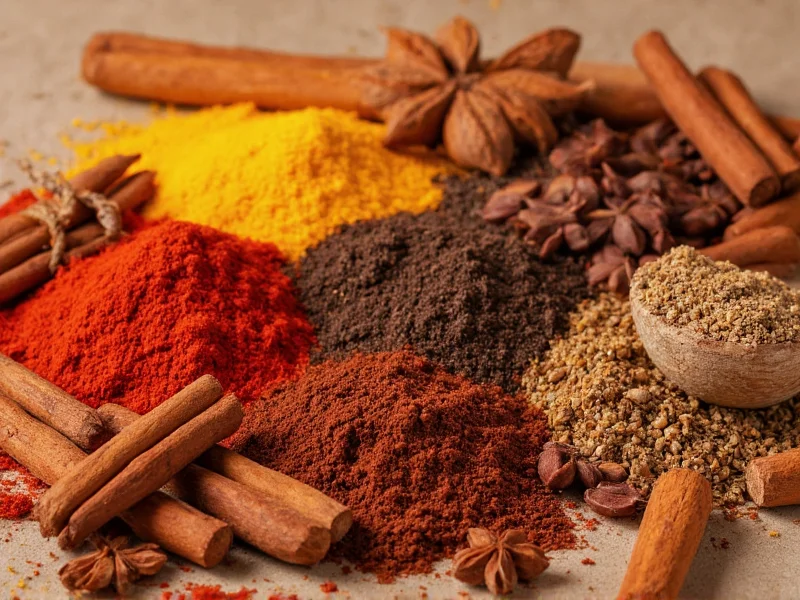
Sweet spices form a distinctive category in culinary arts, offering warm, aromatic flavors that enhance both sweet and savory dishes. Unlike heat-producing spices such as chili peppers, sweet spices deliver comforting warmth without significant pungency. Understanding these spices helps home cooks and professional chefs alike create balanced flavor profiles in their recipes.
What Makes a Spice "Sweet"?
The term "sweet spices" refers to spices with naturally warm, sugary, or floral notes rather than actual sugar content. These spices contain aromatic compounds like eugenol, cinnamaldehyde, and vanillin that interact with our taste receptors to create perceptions of sweetness. The sweetness emerges from complex chemical compounds that stimulate multiple sensory pathways, creating a multidimensional flavor experience.
Common Sweet Spices and Their Characteristics
While individual palates may perceive flavors differently, certain spices consistently deliver sweet profiles across culinary traditions. Here's a comprehensive reference of the most widely used sweet spices:
| Spice | Primary Flavor Notes | Best Culinary Applications | Substitution Ratio |
|---|---|---|---|
| Cinnamon | Woody, warm, slightly citrusy | Baking, chai, Moroccan tagines | 1:1 for same variety |
| Nutmeg | Warm, nutty, slightly peppery | Béchamel, mashed potatoes, apple pie | 1 tsp nutmeg = 1.5 tsp mace |
| Allspice | Clove-cinnamon-nutmeg combination | Jamaican jerk, pickling, pumpkin pie | 1 tsp allspice = 1/2 tsp cinnamon + 1/4 tsp nutmeg + 1/4 tsp cloves |
| Cloves | Intensely aromatic, warm, slightly bitter | Ham glazes, mulled wine, spice blends | 1 clove = 1/8 tsp ground cloves |
| Cardamom | Floral, citrusy, eucalyptus notes | Scandinavian baking, Indian chai, rice pudding | 3 pods = 1/4 tsp ground |
The Science Behind Sweet Spice Perception
Sweet spices trigger multiple sensory responses that create the perception of sweetness. Cinnamaldehyde in cinnamon activates thermoreceptors that create warmth, while eugenol in cloves stimulates olfactory receptors associated with pleasant aromas. This multisensory experience tricks our brain into perceiving sweetness even in the absence of sugar. Understanding sweet spice chemistry helps explain why certain combinations work exceptionally well in specific culinary applications.
Regional Variations in Sweet Spice Usage
Culinary traditions worldwide incorporate sweet spices differently based on historical trade routes and local preferences. In Middle Eastern cuisine, cardamom sweetens coffee and rice dishes. Scandinavian baking relies heavily on cardamom and cinnamon. Indian cuisine uses sweet spices in both sweet and savory applications, such as garam masala. Mexican cooking incorporates cinnamon in mole sauces and hot chocolate. These regional variations demonstrate the versatility of sweet spices across global cuisines.
Practical Pairing Strategies for Sweet Spices
Successful sweet spice usage depends on thoughtful pairing with complementary ingredients. Consider these evidence-based pairing principles when working with sweet spices:
- Fruit pairings: Cinnamon enhances apples and pears, while cardamom complements berries and stone fruits
- Dairy combinations: Nutmeg elevates creamy sauces and custards, creating balanced flavor profiles
- Meat applications: Cloves and allspice work exceptionally well with pork and game meats
- Chocolate enhancement: A pinch of cinnamon or cardamom intensifies chocolate's natural sweetness
- Coffee and tea: Whole spices create more nuanced flavors than ground versions in beverages
Storage Techniques for Maximum Flavor Preservation
Sweet spices lose potency when exposed to light, heat, and moisture. For optimal shelf life:
- Store whole spices in airtight containers away from heat sources
- Grind spices immediately before use for maximum flavor impact
- Replace ground sweet spices every 6-12 months and whole spices every 2-3 years
- Freeze whole spices for long-term storage without flavor degradation
Common Misconceptions About Sweet Spices
Several myths persist about sweet spices that affect their proper usage. Many believe sweet spices only belong in desserts, yet they enhance savory dishes like Moroccan tagines and Middle Eastern rice preparations. Another misconception suggests all sweet spices work interchangeably, but each has unique chemical compounds requiring specific applications. Understanding these distinctions helps cooks use sweet spices more effectively in various culinary contexts.
Practical Applications Beyond Baking
Sweet spices extend far beyond dessert applications. Try these innovative uses:
- Add a pinch of cinnamon to tomato-based sauces for depth
- Infuse olive oil with whole cloves for salad dressings
- Use cardamom in savory rice dishes for aromatic complexity
- Create spice rubs with allspice for grilled meats
- Add nutmeg to creamy vegetable soups for warmth
Conclusion: Mastering Sweet Spice Applications
Sweet spices offer remarkable versatility when understood and applied correctly. By recognizing their unique flavor profiles, proper storage requirements, and complementary pairings, cooks can elevate both sweet and savory dishes. The key to successful sweet spice usage lies in understanding their chemical properties and respecting their potency—starting with small amounts and adjusting to taste ensures balanced, professional-quality results in any culinary application.
Frequently Asked Questions
What's the difference between sweet spices and baking spices?
Sweet spices refer to individual spices with warm, sweet flavor profiles like cinnamon and nutmeg. Baking spices are specific combinations of sweet spices formulated for dessert applications, often including predefined ratios of cinnamon, nutmeg, allspice, and cloves.
Can sweet spices be used in savory dishes?
Yes, sweet spices enhance many savory dishes. Cinnamon works well in Moroccan tagines, cardamom complements Middle Eastern rice dishes, and allspice features prominently in Jamaican jerk seasoning. The key is using appropriate quantities to complement rather than dominate other flavors.
How do I know when sweet spices have gone bad?
Sweet spices lose potency over time. Signs of degradation include faded color, diminished aroma when rubbed between fingers, and lack of flavor impact in recipes. Whole spices typically remain potent for 2-3 years, while ground versions last 6-12 months when properly stored in airtight containers away from light and heat.
Which sweet spice is strongest in flavor?
Cloves generally have the most intense flavor among common sweet spices. Their high eugenol content makes them potent even in small quantities. Always use cloves sparingly—typically 1-2 whole cloves per dish—and remove before serving, as prolonged cooking can make their flavor overpowering.
What's the best way to grind whole sweet spices?
For optimal flavor release, use a dedicated spice grinder or mortar and pestle just before cooking. Whole spices retain their essential oils better than pre-ground versions. Cinnamon sticks and nutmeg benefit particularly from fresh grinding, as their volatile compounds dissipate quickly once exposed to air.




 浙公网安备
33010002000092号
浙公网安备
33010002000092号 浙B2-20120091-4