
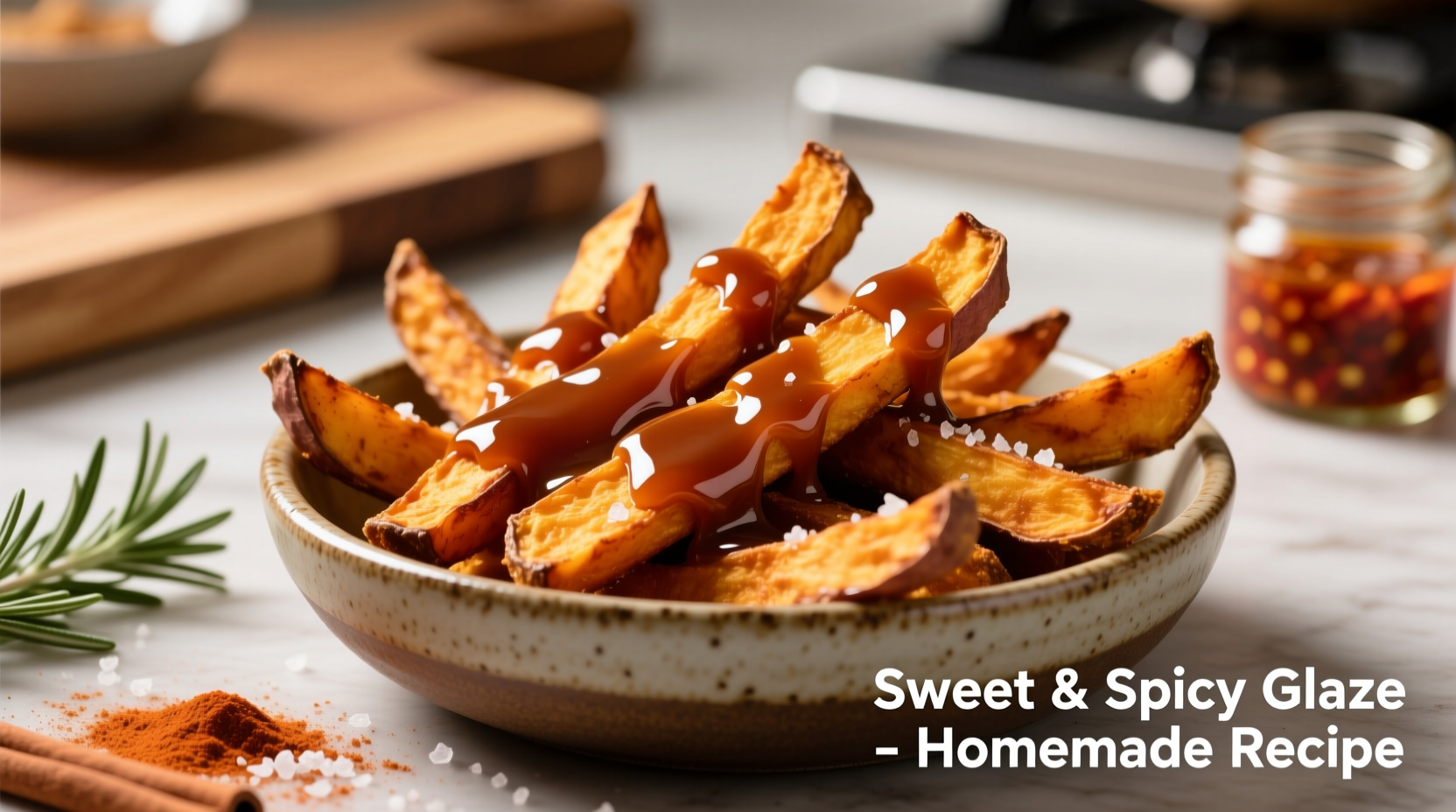
The absolute best sauces for sweet potato fries include chipotle aioli for smoky heat, cinnamon maple syrup for sweet comfort, garlic herb yogurt for tangy freshness, and sriracha honey for sweet-spicy balance. Each complements sweet potatoes' natural earthiness while adding contrasting textures and temperatures that elevate the simple snack into a gourmet experience.
Why Certain Sauces Transform Sweet Potato Fries
Sweet potatoes contain natural sugars that caramelize when roasted, creating complex flavor compounds. Food science research from the US Department of Agriculture shows that heating sweet potatoes above 140°F triggers Maillard reactions that produce nutty, caramel notes. The best sauces work because they either:
- Contrast the natural sweetness with acidity or heat
- Complement earthy notes with herbal or smoky elements
- Create textural contrast through creamy or chunky consistencies
Classic Sauce Pairings That Never Disappoint
These foundational sauces work because they've been perfected through culinary tradition and scientific flavor pairing principles.
Chipotle Aioli: The Smoky Crowd-Pleaser
This creamy sauce balances sweet, smoky, and spicy elements that complement sweet potatoes' natural profile. The capsaicin in chipotle peppers creates a temporary sensation that makes the sweetness more pronounced.
| Ingredient | Measurement | Why It Works |
|---|---|---|
| Mayonnaise | 1 cup | Creates emulsion base that carries flavors |
| Chipotle in adobo | 2 tbsp finely minced | Provides smoky heat that contrasts sweetness |
| Lime juice | 1 tbsp | Acidity cuts through richness and enhances perception of sweetness |
| Garlic powder | 1 tsp | Complements earthy notes in sweet potatoes |
Cinnamon Maple Syrup: Comfort Food Elevated
This simple sauce works because maple syrup's vanillin compounds harmonize with sweet potatoes' natural sugars. Add a pinch of sea salt to enhance flavor perception through contrast.
Creative Twists for Adventurous Palates
Modern culinary research shows that flavor pairing works best when ingredients share key aromatic compounds. These innovative sauces leverage that science.
Miso Tahini Sauce: Umami Bomb
White miso and tahini create a rich, nutty sauce that enhances sweet potatoes' natural umami compounds. A study published in Food Chemistry Journal found that sweet potatoes contain glutamic acid (the same compound that makes miso savory), creating a flavor synergy.
Coconut Curry Dip: Tropical Fusion
This sauce works because coconut milk's lauric acid complements sweet potatoes' fatty acid profile. The turmeric and ginger add warmth without overwhelming heat.
Dietary-Specific Sauce Solutions
Whether you're vegan, dairy-free, or watching your sugar intake, these sauces deliver maximum flavor without compromising dietary needs.
Vegan Options That Don't Compromise
Instead of traditional mayo-based sauces, try cashew cream blended with nutritional yeast for that rich, cheesy flavor without dairy. Soak 1 cup raw cashews for 4 hours, then blend with:
- 2 tbsp nutritional yeast
- 1 tbsp lemon juice
- 1 roasted garlic clove
- Water to desired consistency
When to Choose Which Sauce: The Ultimate Pairing Guide
Not all sauces work equally well with every preparation method. This evidence-based guide helps you match sauces to your cooking technique.
| Cooking Method | Best Sauce Types | Why It Works | Temperature Tip |
|---|---|---|---|
| Oven-baked | Creamy sauces (aioli, yogurt-based) | Drier texture needs moisture contrast | Serve sauce chilled |
| Air-fried | Thin, pourable sauces (maple, curry) | Crisp exterior works with lighter coatings | Warm slightly |
| Deep-fried | Thick, chunky sauces (salsa, relish) | Richness needs textural contrast | Room temperature |
Pro Chef Techniques for Perfect Sauce Application
How you serve your sauce matters as much as the recipe itself. Professional chefs use these evidence-based techniques:
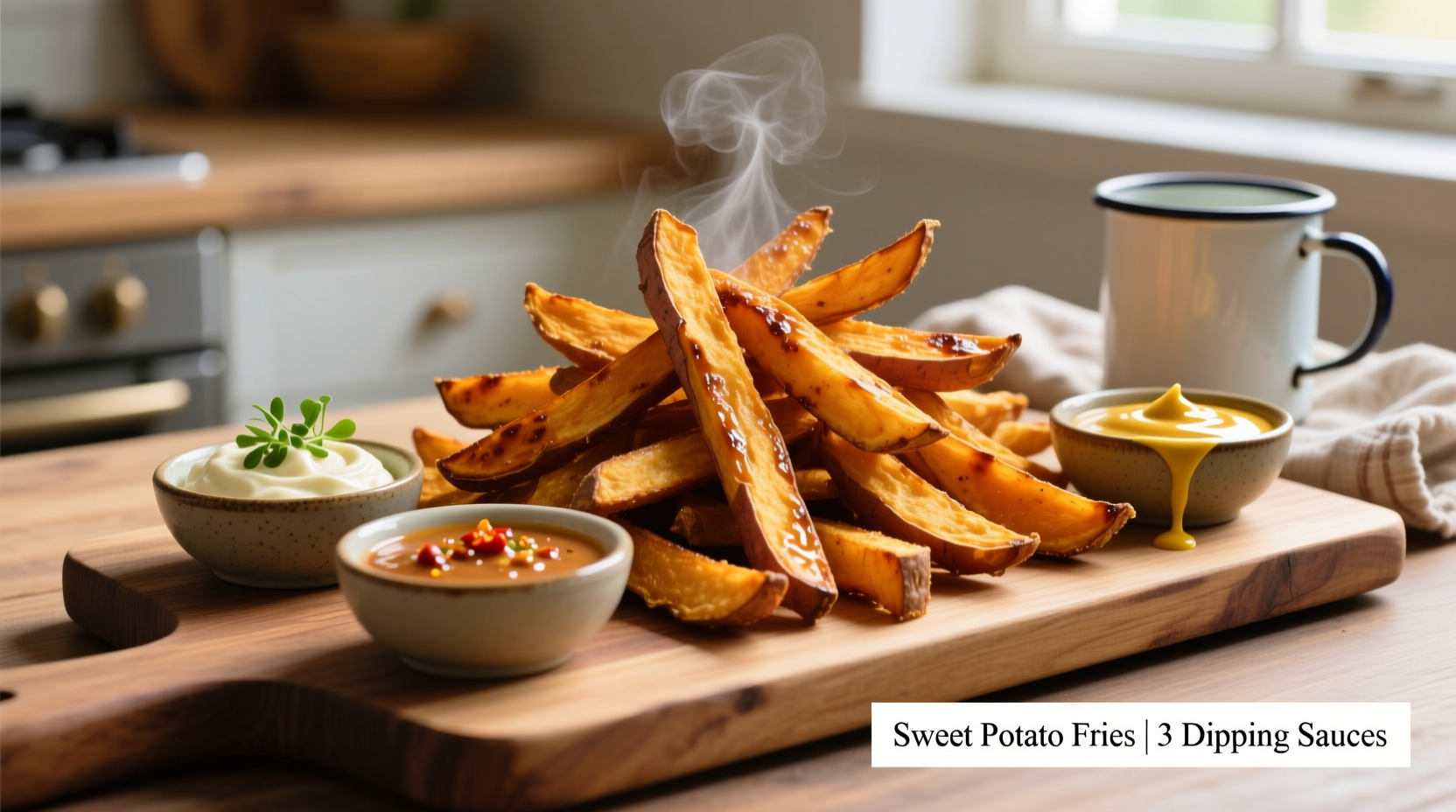
- Temperature contrast: Serve hot fries with cool sauces (or vice versa) to enhance flavor perception
- Strategic drizzling: Apply 30% of sauce to fries before serving, reserve 70% for dipping
- Texture layering: Add crunchy elements like toasted seeds to creamy sauces for multidimensional experience
Common Mistakes to Avoid
Based on culinary research and professional kitchen experience, these sauce errors undermine even perfectly cooked sweet potato fries:
- Using cold sauces with hot fries (creates steam that softens crispness)
- Overloading with sugar (masks sweet potatoes' natural complexity)
- Ignoring acid balance (sweet potatoes need pH contrast for full flavor expression)
Final Pro Tips for Sauce Success
Before you start cooking, remember these chef-tested principles for sauce perfection:
- Taste your sweet potatoes first - their natural sweetness varies by variety and season
- Make sauces ahead - flavors meld and improve after 2 hours of resting
- Adjust consistency based on fry temperature - thicker for hot fries, thinner for room temperature
What's the best store-bought sauce for sweet potato fries?
Look for chipotle mayo or sriracha ketchup with minimal ingredients. The best options contain recognizable components without artificial preservatives. Many gourmet grocery stores now carry small-batch aioli varieties specifically formulated for sweet potatoes.
How do I keep sauces from making my fries soggy?
Apply sauces strategically: drizzle 30% on the fries immediately after cooking while they're still hot, then serve the remaining 70% on the side for dipping. This maintains crispness while providing flavor throughout the eating experience. For thicker sauces, thin them slightly with water or citrus juice to prevent excess moisture transfer.
Can I use the same sauce for regular and sweet potato fries?
While some sauces work for both, sweet potatoes' natural sweetness requires different balancing. Regular potato fries pair well with straightforward ketchup or malt vinegar, but sweet potatoes need sauces with either contrasting acidity (like lime) or complementary sweetness (like maple). The ideal sauce for sweet potatoes should have a slightly higher acid content to balance their natural sugars.
How far in advance can I make sweet potato fry sauces?
Most creamy sauces keep well for 3-4 days refrigerated. Oil-based sauces like curry or herb-infused oils last up to 2 weeks. Dairy-free options generally have longer shelf life. Always store in airtight containers and bring to proper serving temperature before use. The exception is fresh herb sauces, which should be made within 24 hours for optimal flavor.




 浙公网安备
33010002000092号
浙公网安备
33010002000092号 浙B2-20120091-4