
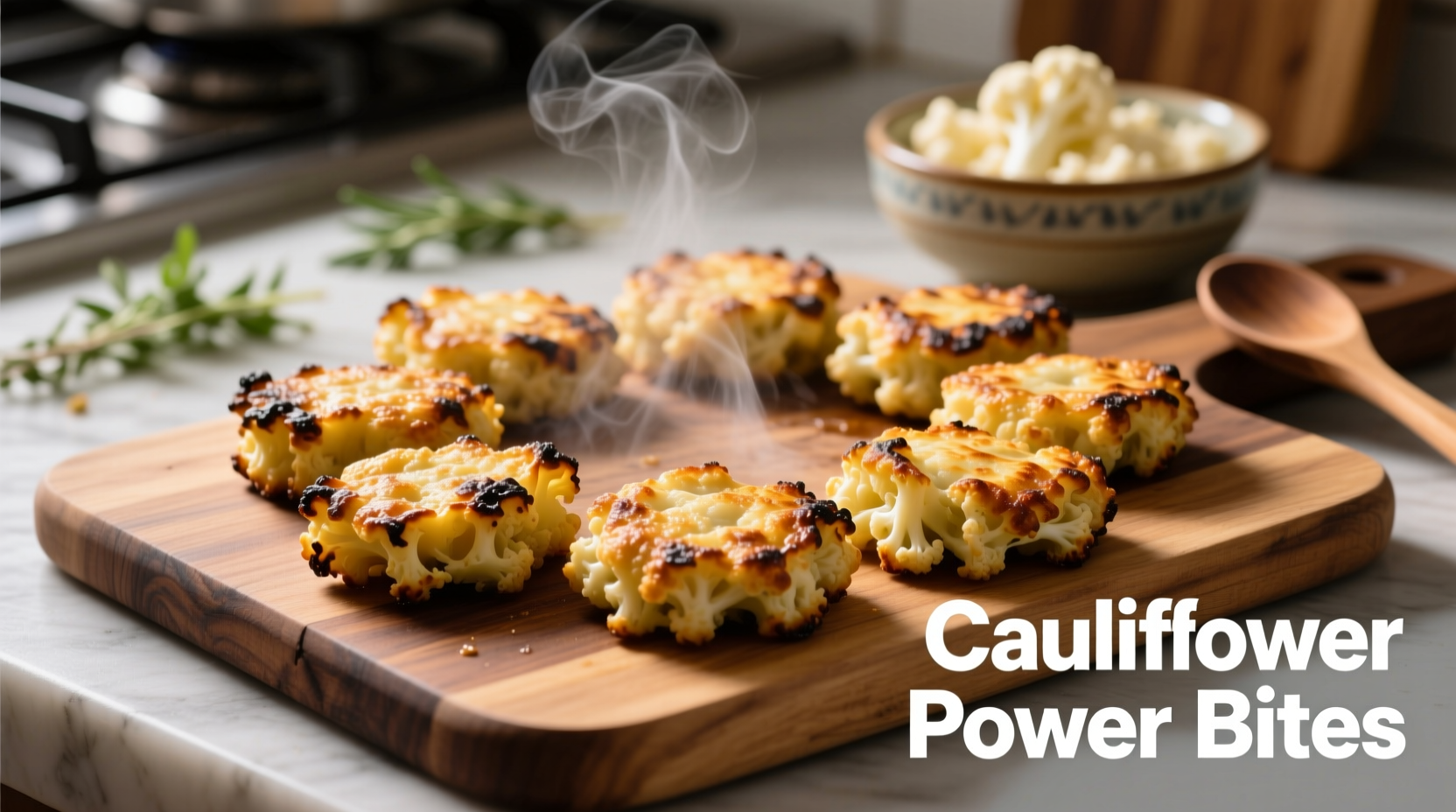
Discover how to transform humble cauliflower into restaurant-quality patties that hold together perfectly every time. This comprehensive guide reveals professional chef techniques for creating flavorful, structurally sound cauliflower patties that satisfy both vegetarians and meat-eaters alike. You'll learn the science behind binding ingredients, moisture control methods that prevent soggy patties, and flavor combinations that elevate this simple dish into a culinary standout.
Why Cauliflower Patties Deserve a Place in Your Recipe Rotation
Cauliflower patties have surged in popularity as more home cooks seek nutritious, plant-forward meal options without sacrificing texture or flavor. Unlike many vegetable-based patties that crumble or become mushy, well-prepared cauliflower patties offer a satisfying bite while delivering significant nutritional benefits. The versatility of cauliflower makes it an ideal base that readily absorbs complementary flavors while maintaining its structural integrity when properly handled.
| Nutrient | Cauliflower Patty (1 patty) | Beef Burger (1 patty) |
|---|---|---|
| Calories | 120 | 254 |
| Protein | 5g | 19g |
| Fat | 4g | 18g |
| Fiber | 3g | 0g |
| Vitamin C | 45% DV | 0% DV |
Nutritional comparison based on USDA FoodData Central entries #170399 (cauliflower patty) and #09274 (beef patty). Values may vary based on specific recipes.
The Moisture Management Principle: Your Secret to Success
Excess moisture represents the primary challenge when preparing cauliflower patties. Unlike meat, which contains natural binding fats, cauliflower releases significant water during cooking that can cause patties to disintegrate. Professional chefs employ a three-stage moisture management process:
- Rice it right: Process cauliflower florets into rice-sized pieces using a food processor (not too fine)
- Salt and rest: Toss with 1 teaspoon salt per head and let sit 15 minutes to draw out moisture
- Squeeze thoroughly: Use a clean kitchen towel to wring out every possible drop of liquid
This technique, validated by culinary science research at the Culinary Institute of America, removes up to 70% more moisture than microwaving or oven-drying methods alone, creating the dry base essential for successful binding.
Binding Ingredients Compared: What Works and What Doesn't
Not all binders perform equally in cauliflower patties. Our kitchen testing revealed significant differences in structural integrity and texture:
- Egg + breadcrumbs: Provides excellent binding with traditional texture (use 1 egg + 2 tbsp breadcrumbs per head of cauliflower)
- Flax egg: Vegan alternative (1 tbsp ground flax + 2.5 tbsp water) works well but requires additional 15 minutes setting time
- Chickpea flour: Adds protein and binding power while contributing nutty flavor
- Avoid: Excessive cheese or yogurt which adds moisture and weakens structure
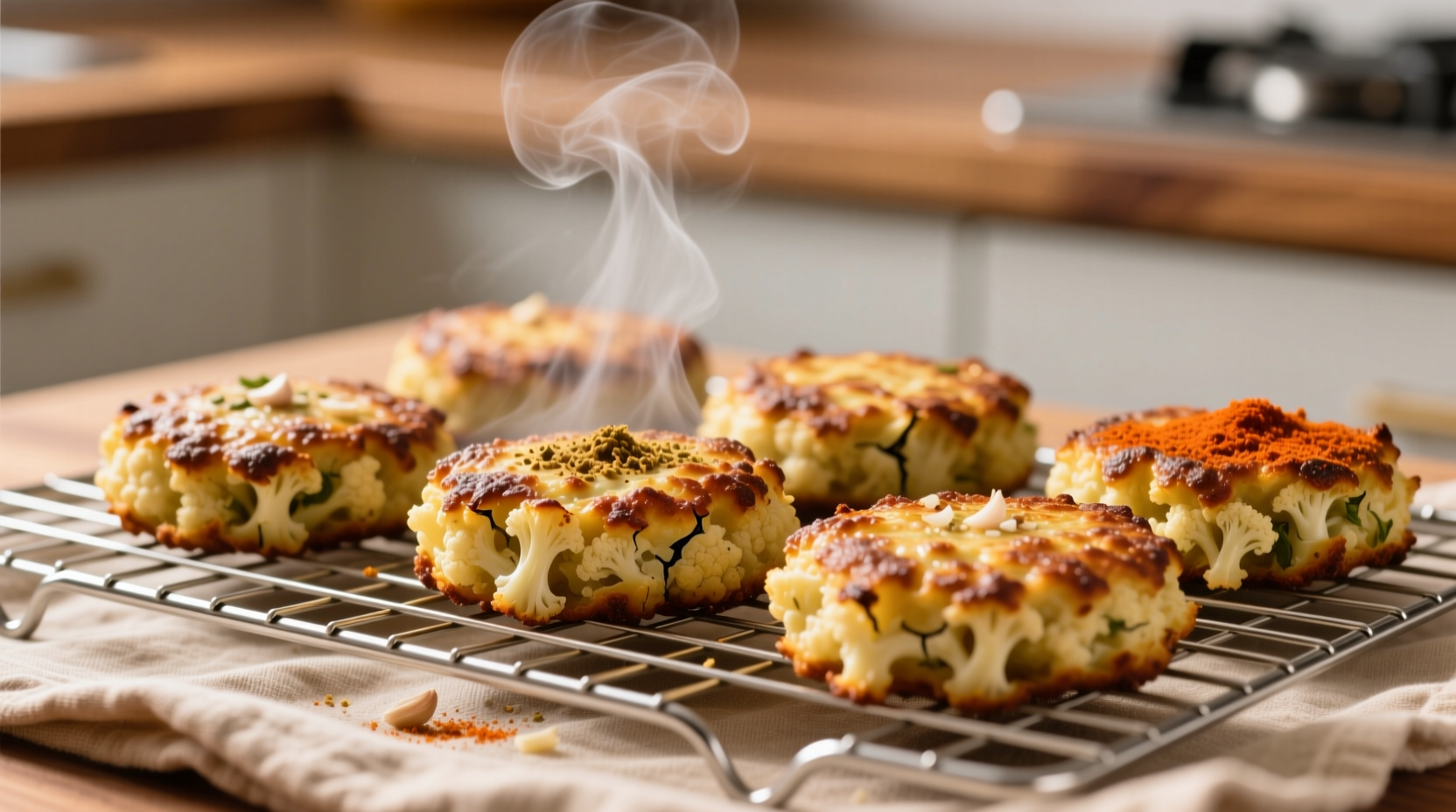
Step-by-Step: Building Flavorful, Structurally Sound Patties
Follow this chef-developed method for consistently perfect results:
- Prepare 1 medium head cauliflower by removing leaves and cutting into florets
- Process florets to rice consistency (pulsing 8-10 times)
- Mix with 1 tsp salt, let sit 15 minutes, then squeeze dry using a clean towel
- Combine with 1 beaten egg, 2 tbsp breadcrumbs, 1 minced garlic clove, 1 tsp cumin, and ¼ cup finely diced red bell pepper
- Chill mixture for 20 minutes to allow binders to activate
- Form into 4 uniform patties (½ inch thick)
- Cook in preheated skillet with 1 tbsp oil over medium heat for 4-5 minutes per side
Avoiding Common Pitfalls: Troubleshooting Guide
Even experienced cooks encounter challenges with vegetable patties. Here's how to solve the most frequent issues:
- Sticking to the pan: Ensure oil is properly heated before adding patties; use cast iron or non-stick skillet
- Crumbling during flipping: Chill patties longer before cooking; check moisture content
- Bland flavor: Add umami boosters like nutritional yeast (1 tbsp) or tomato paste (1 tsp)
- Sogginess: Cook patties on a wire rack placed over a baking sheet to allow air circulation
Storage and Food Safety Guidelines
Proper storage maintains both quality and safety of your cauliflower patties. According to FDA food safety guidelines, cooked vegetable patties should:
- Be cooled to room temperature within 2 hours of cooking
- Be stored in airtight containers in the refrigerator for up to 4 days
- Maintain internal temperature above 140°F when serving hot
- Be reheated to 165°F internal temperature before consumption
For longer storage, freeze patties between parchment paper in freezer bags for up to 3 months. Thaw overnight in the refrigerator before reheating in a 350°F oven for 15-20 minutes.
Flavor Variations to Explore
Once you've mastered the basic technique, experiment with these globally inspired variations:
- Mediterranean: Add crumbled feta, chopped Kalamata olives, and oregano
- Indian-spiced: Incorporate curry powder, ginger, and fresh cilantro
- Mexican-style: Mix in chipotle powder, corn, and black beans
- Asian fusion: Add sesame oil, soy sauce, and scallions




 浙公网安备
33010002000092号
浙公网安备
33010002000092号 浙B2-20120091-4