
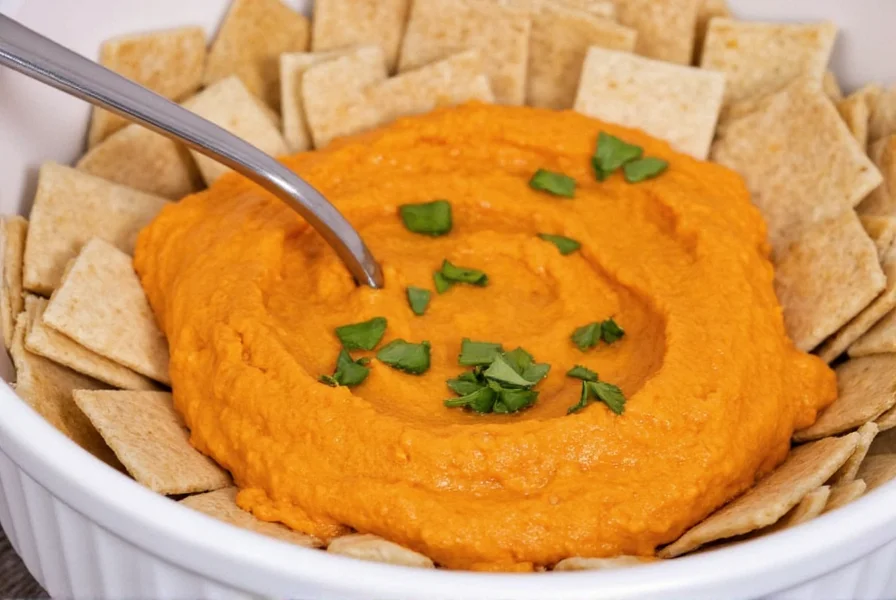
The perfect roasted red pepper hummus recipe combines 1 (15-ounce) can chickpeas, 1 roasted red pepper (about 1/2 cup), 1/4 cup tahini, 2 tablespoons fresh lemon juice, 1 garlic clove, 1/2 teaspoon cumin, 3 tablespoons ice water, and salt to taste. Blend until ultra-smooth for creamy, vibrant hummus ready in 15 minutes with pantry staples.
Creating exceptional roasted red pepper hummus at home is simpler than you might think. This vibrant dip combines the earthy richness of chickpeas with the sweet smokiness of roasted red peppers for a flavor profile that elevates any snack or meal. Unlike store-bought versions that often contain preservatives and artificial flavors, this homemade roasted red pepper hummus recipe delivers pure, fresh ingredients with customizable spice levels and texture.
What sets this roasted red pepper hummus apart is the technique. Most recipes skip the crucial step of removing chickpea skins, which creates an ultra-smooth texture without graininess. The addition of ice water rather than regular water helps maintain a cool temperature during blending, preventing the hummus from becoming gluey. These professional chef secrets transform ordinary ingredients into extraordinary results.
Essential Ingredients for Perfect Roasted Red Pepper Hummus
Quality ingredients make all the difference in this easy roasted red pepper hummus recipe. Here's what you'll need:
- Chickpeas - 1 (15-ounce) can, drained and rinsed (reserve liquid)
- Roasted red peppers - 1/2 cup, preferably homemade or high-quality jarred without additives
- Tahini - 1/4 cup, well-stirred smooth variety
- Fresh lemon juice - 2 tablespoons (about 1 large lemon)
- Garlic - 1 small clove, minced
- Ground cumin - 1/2 teaspoon
- Ice water - 3 tablespoons (key for creamy texture)
- Salt - 1/2 teaspoon, plus more to taste
- Olive oil - For serving (optional)
- Paprika - For garnish (optional)
| Ingredient | Why It Matters | Substitution Options |
|---|---|---|
| Roasted red peppers | Provides sweet, smoky flavor and vibrant color | Fresh roasted (best), jarred (convenient), or fire-roasted |
| Tahini | Creates creamy base and nutty flavor | Sesame oil (use sparingly) or almond butter (different flavor profile) |
| Ice water | Prevents overheating during blending for smoother texture | Chilled regular water (less effective) |
The Evolution of Hummus: From Traditional to Roasted Red Pepper
Understanding the historical journey of hummus provides context for this roasted red pepper variation. While traditional hummus has roots tracing back to 13th century Middle Eastern cuisine, the incorporation of roasted red peppers represents a modern culinary innovation that gained traction as global food cultures交融 in the late 20th century.
| Time Period | Development | Significance for Modern Hummus |
|---|---|---|
| 13th Century | Earliest documented hummus recipes in Egyptian cookbooks | Foundation of chickpea-based dips without tahini |
| Early 20th Century | Standardization of tahini-based hummus in Levantine cuisine | Established the creamy base that defines modern hummus |
| Mid-Late 20th Century | Global spread of Middle Eastern cuisine | Introduction of flavor variations including roasted red pepper in Western markets |
Source: Historical timeline adapted from Smithsonian Magazine's comprehensive history of hummus.
Step-by-Step Preparation Guide
Follow these detailed instructions for the creamiest roasted red pepper hummus recipe you've ever made:
- Prepare the chickpeas - Drain and rinse canned chickpeas. For ultra-smooth texture (professional tip), gently rub chickpeas between your fingers to remove loose skins. Don't worry about getting every single skin.
- Roast the peppers (if not using jarred) - Place whole red bell peppers directly over gas flame or under broiler, turning occasionally until charred on all sides. Transfer to bowl, cover with plastic wrap, and let steam for 10 minutes. Peel off skin, remove seeds and stems.
- Combine ingredients - In food processor, blend tahini and lemon juice for 1 minute until creamy. Add garlic, cumin, and salt, blending for 30 seconds.
- Add chickpeas and peppers - Add chickpeas and roasted red peppers. Process for 2 minutes, scraping down sides as needed.
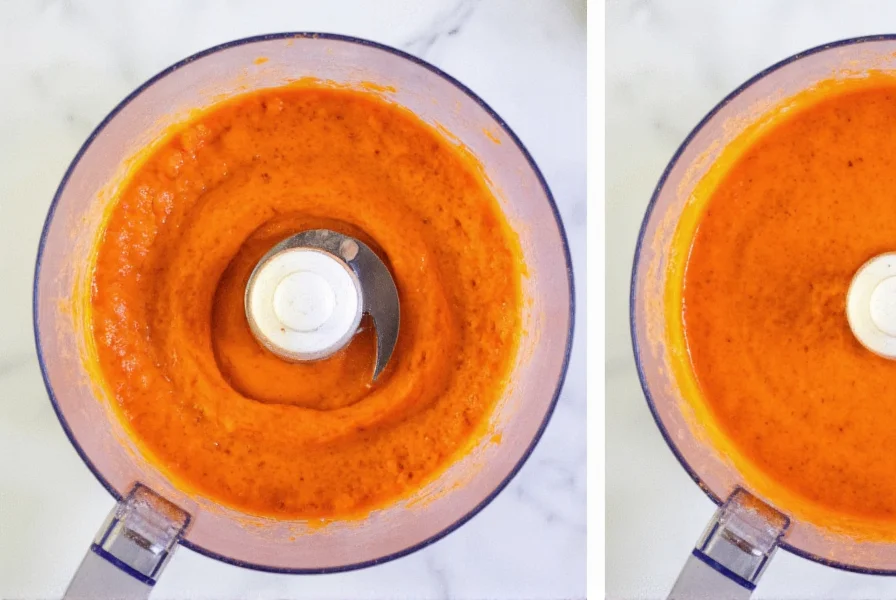
- Incorporate ice water - With processor running, slowly add ice water. Continue processing for 3-4 minutes until completely smooth and creamy.
- Adjust seasoning - Taste and adjust salt, lemon, or spices as needed. For thinner consistency, add reserved chickpea liquid (aquafaba) 1 tablespoon at a time.
Pro Tips for Restaurant-Quality Results
Elevate your homemade roasted red pepper hummus with these chef-recommended techniques:
- Chill your food processor bowl - Place it in freezer for 15 minutes before starting for optimal texture
- Double the tahini - For extra richness, increase to 1/2 cup (traditional Middle Eastern style)
- Use ice-cold liquid - The temperature difference creates emulsion for creamier results
- Process longer than you think - Minimum 4 minutes total processing time for smoothest texture
- Let it rest - Refrigerate for 2 hours before serving to allow flavors to meld
Contextual Considerations: When This Recipe Shines (and When It Doesn't)
While this roasted red pepper hummus recipe delivers exceptional flavor and texture under ideal conditions, understanding its limitations ensures successful implementation in various scenarios:
- Sesame Allergy Concerns: Traditional hummus relies on tahini (sesame paste), making it unsuitable for individuals with sesame allergies. The FDA now classifies sesame as a major food allergen requiring clear labeling. For safe alternatives, consider sunflower seed butter as a tahini substitute, though flavor profiles will differ. Learn more about food allergens from the FDA.
- Time Constraints: The technique of removing chickpea skins and roasting fresh peppers adds 20-30 minutes to preparation. When time is limited, using high-quality jarred roasted peppers and skipping skin removal yields acceptable results in under 10 minutes, though texture may be slightly less smooth.
- Cultural Authenticity Note: While popular in Western markets, roasted red pepper hummus is not part of traditional Middle Eastern cuisine. For authentic Levantine hummus, omit the roasted peppers and focus on perfecting the classic preparation.
Variations to Customize Your Hummus
Once you've mastered the basic roasted red pepper hummus recipe, try these delicious variations:
- Smoky paprika version - Add 1/4 teaspoon smoked paprika for deeper flavor
- Spicy harissa hummus - Mix in 1-2 teaspoons harissa paste for heat
- Herbed hummus - Blend in 2 tablespoons fresh parsley or cilantro
- Tahini-free option - Substitute with 3 tablespoons Greek yogurt for nut-free version
- Extra garlicky - Roast whole garlic cloves with peppers for milder garlic flavor
Serving Suggestions and Pairings
This versatile roasted red pepper hummus works beautifully in numerous ways:
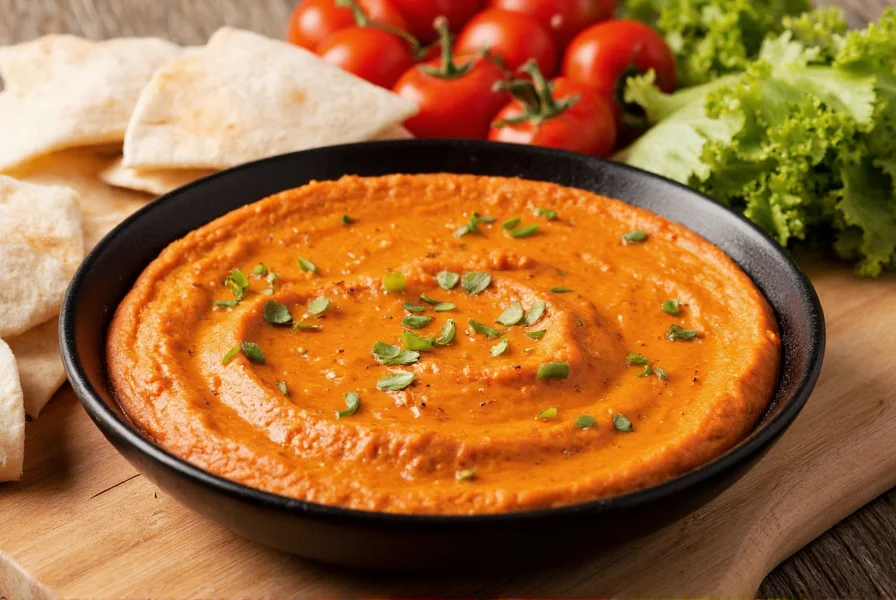
- As a dip with pita chips, vegetable sticks, or crackers
- Spread on sandwiches and wraps instead of mayonnaise
- As a base for grain bowls or buddha bowls
- Thinned with lemon juice and olive oil as a salad dressing
- Swirled into soups for added creaminess and flavor
- As a topping for grilled chicken or fish
Storage and Shelf Life
Properly stored, your homemade roasted red pepper hummus will stay fresh and flavorful:
- Refrigerate in airtight container for up to 5 days
- Place plastic wrap directly on surface to prevent drying
- Stir well before serving if separation occurs
- Freeze in portion-sized containers for up to 3 months (thaw in refrigerator)
- Revive leftovers with a splash of lemon juice and quick re-blend




 浙公网安备
33010002000092号
浙公网安备
33010002000092号 浙B2-20120091-4