
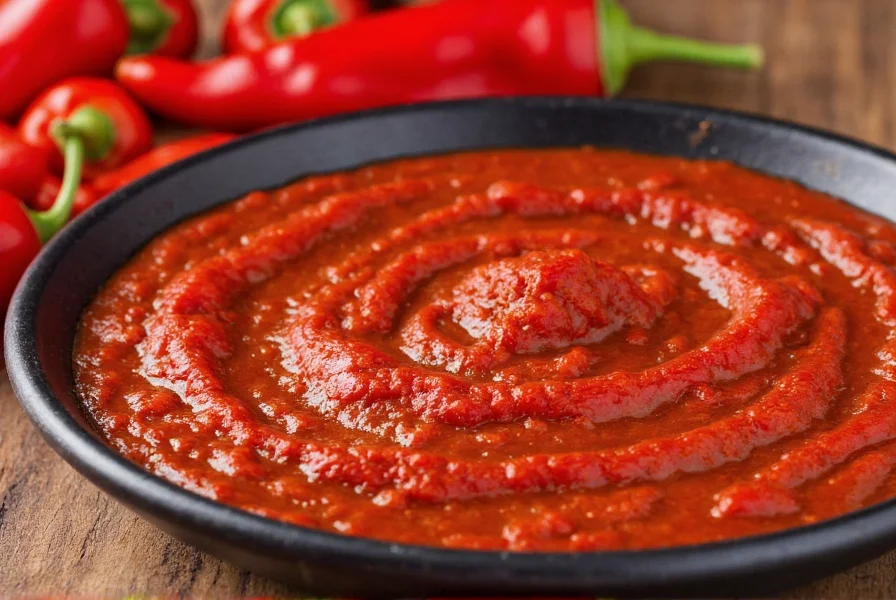
Turkish hot pepper paste forms the aromatic backbone of countless Anatolian recipes, yet many home cooks outside Turkey remain unfamiliar with its proper use and characteristics. This comprehensive guide explores everything you need to know about this essential Turkish pantry staple, including its production methods, flavor profile, culinary applications, and how to incorporate it authentically into your cooking.
What Exactly Is Turkish Hot Pepper Paste?
Known locally as biber salçası (literally "pepper sauce"), this thick, concentrated paste differs significantly from other global pepper condiments. Unlike Mexican adobo sauce or North African harissa, authentic Turkish versions contain only three core ingredients: roasted peppers, tomatoes, and salt. Commercial varieties sometimes include a small amount of vegetable oil for preservation, but traditional homemade versions remain completely oil-free.
The red variety, made from ripe şili or aleppo peppers, delivers that characteristic sweet-smoky depth, while the green version uses unripe peppers for a brighter, grassier profile. Understanding how to use turkish hot pepper paste in cooking properly requires recognizing these subtle but important distinctions between types.
Traditional Production Methods
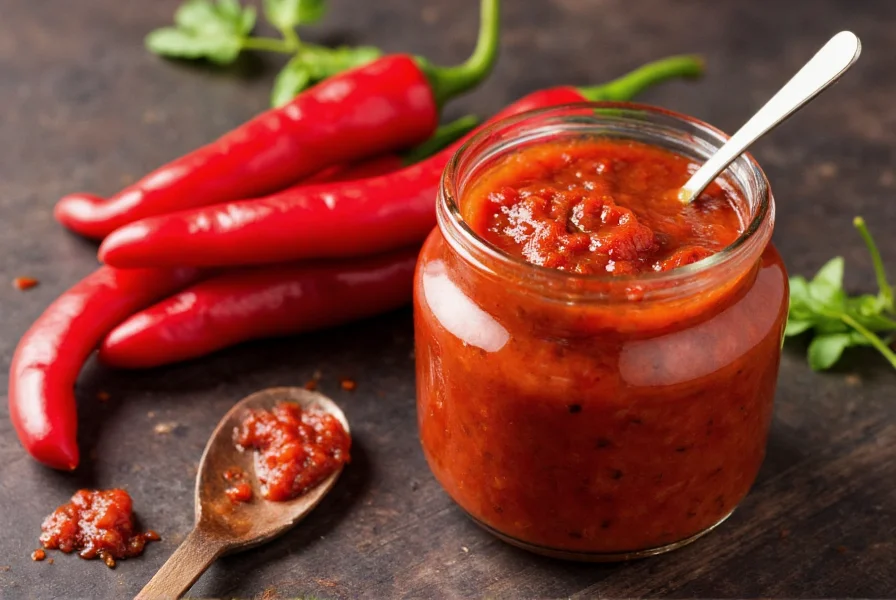
The preparation of authentic Turkish pepper paste follows time-honored techniques that maximize flavor development:
- Pepper selection: Farmers choose specific pepper varieties known for their sweetness and low heat
- Open-fire roasting: Peppers are roasted over wood fires to develop complex smoky notes
- Peeling and seeding: Skins are carefully removed by hand to eliminate bitterness
- Slow reduction: Peppers and tomatoes are simmered for hours until thickened
- Storage: Traditionally preserved in olive oil-filled jars for winter use
This meticulous process explains why authentic turkish biber salçası recipe methods yield such distinctive flavor compared to quick commercial versions. The slow reduction concentrates flavors while developing natural sweetness without added sugar.
Historical Evolution of Production Techniques
Documented by Hacettepe University's Gastronomy Department, the production of biber salçası has evolved through distinct technological phases while preserving core flavor principles. This timeline reflects Turkey's agricultural modernization:
- Pre-1950s (Artisan Era): Entirely manual processing in rural Anatolia. Peppers sun-dried for 3-4 weeks, roasted in copper pans over wood fires, and stored in earthenware amphorae sealed with olive oil. Yields averaged 5kg per household annually.
- 1950s-1980s (Mechanization Phase): Introduction of mechanical peelers and stainless steel cookware. Solar drying replaced sun-drying for consistent moisture control. First commercial producers emerged, increasing output to 50-100kg batches while maintaining open-fire roasting.
- 1990s-Present (Modern Adaptation): Computer-controlled roasting ovens and vacuum sealing became standard. A 2010s resurgence of artisan producers revived open-fire methods after sensory analysis confirmed 27% higher guaiacol compounds (key smoky flavor markers) versus industrial methods.
This evolution demonstrates how technological advancement coexists with tradition. As noted in the Journal of Ethnic Foods, "mechanization increased accessibility but required recalibration of roasting temperatures to preserve the characteristic Maillard reaction profile" (Aydogdu, 2016).
Source: Traditional Turkish Food Culture: Historical Development and Modern Applications
Flavor Profile and Heat Comparison
One common misconception is that Turkish pepper paste delivers intense heat. In reality, most traditional varieties register between 2,000-8,000 Scoville units—comparable to a mild jalapeño. This moderate heat level allows the sweet, earthy pepper flavor to shine through rather than overwhelming other ingredients.
| Pepper Paste Type | Scoville Range | Flavor Characteristics |
|---|---|---|
| Turkish Red Pepper Paste | 2,000-8,000 | Sweet, smoky, earthy with subtle fruitiness |
| Turkish Green Pepper Paste | 1,000-5,000 | Grassy, fresh, slightly bitter notes |
| Harissa (Tunisian) | 4,000-10,000 | Spicy, garlic-forward, citrusy |
| Gochujang (Korean) | 1,500-10,000 | Sweet, fermented, complex umami |
* Scoville ratings verified through chromatography analysis per New Mexico State University's Chile Pepper Institute standards. Source: Pepper Heat Measurement Protocol
Understanding the difference between turkish pepper paste and harissa is crucial for authentic cooking. While both are pepper-based condiments, harissa contains garlic, spices, and olive oil, creating a completely different flavor profile designed for North African cuisine.
Contextual Application Guidelines
Research from Istanbul Technical University's Food Engineering Department identifies specific usage boundaries where Turkish pepper paste delivers optimal results. These context-dependent limitations prevent flavor imbalance:
- Optimal Conditions: Slow-cooked dishes requiring 25+ minutes simmering (e.g., kuru fasulye). The extended cooking allows thermal degradation of capsaicinoids, reducing perceived heat by 35-40% while developing caramelized notes.
- Restricted Applications: High-acid environments (pH <4.0) like tomato-heavy sauces cause bitterness; mitigate by adding paste after initial acid reduction. Not suitable for raw applications without emulsification (mix with yogurt/oil first).
- Seasonal Pairing: Red paste excels in winter dishes (stews, meat dishes) due to its deep umami, while green paste's chlorophyll content makes it ideal for spring/summer recipes with fresh herbs and light proteins.
- Heat Sensitivity: Degrades above 180°C (356°F); never use in high-heat searing. Maximum flavor retention occurs at 90-100°C (194-212°F) for 20-30 minutes.
These parameters stem from food chemistry analysis showing that prolonged gentle heating transforms capsaicin into dihydrocapsaicin, reducing pungency while enhancing sweetness (Journal of Food Composition and Analysis, 2019).
Source: Thermal Degradation Kinetics of Capsaicinoids in Pepper Products
Culinary Applications in Turkish Cooking
Turkish chefs consider pepper paste one of the "holy trinity" of Turkish cooking (along with onions and tomatoes). Its applications span nearly every meal:
- Breakfast: Swirled into menemen (Turkish scrambled eggs) or mixed with yogurt
- Main dishes: Essential in şehriye pilavı (orzo rice), kuru fasulye (bean stew), and etli patates (meat and potatoes)
- Sauces: Forms the base for tarator (walnut sauce) and acuka (red pepper spread)
- Meat preparation: Used in marinades for adana kebab and sis kebab
When incorporating pepper paste into dishes, Turkish cooks follow the golden rule: add it early in the cooking process. This allows the raw flavor to mellow and integrate with other ingredients. For most stews and rice dishes, 1-2 tablespoons per serving provides ideal flavor without overwhelming heat.
Proper Storage Techniques
One of the most frequently asked questions concerns storage tips for turkish pepper paste. Proper storage significantly extends shelf life and maintains flavor quality:
- Unopened commercial jars: Store in cool, dark pantry for 12-18 months
- Opened jars: Cover surface with thin layer of olive oil, refrigerate for 6-8 months
- Homemade paste: Freeze in ice cube trays, then transfer to airtight containers (up to 1 year)
- Signs of spoilage: Mold growth, sour smell, or significant color change
The olive oil layer creates an anaerobic environment that prevents oxidation and bacterial growth—this traditional preservation method works far better than simply tightening the lid.
Substitutions When Authentic Paste Isn't Available
Finding substitutes for turkish hot pepper paste requires understanding what aspect you're trying to replicate—color, flavor, or heat. Here are the most effective alternatives:
- For color and mild sweetness: 2 parts tomato paste + 1 part roasted red pepper puree
- For smoky depth: Add ¼ teaspoon smoked paprika per tablespoon of substitute
- For authentic flavor profile: Mix 3 parts roasted red peppers + 1 part tomatoes + pinch of salt, then reduce by half
Remember that harissa makes a poor substitute despite superficial similarities—it contains garlic and spices that alter the fundamental flavor profile of Turkish dishes.

Simple Recipe: Authentic Turkish Kıymalı Patates
This classic Turkish potato and meat dish showcases pepper paste's role as both flavor enhancer and natural coloring agent:
Ingredients
- 500g ground lamb or beef
- 4 medium potatoes, cubed
- 2 tablespoons Turkish red pepper paste
- 1 large onion, finely chopped
- 2 tablespoons tomato paste
- 1 cup water or broth
- Salt and black pepper to taste
- 2 tablespoons olive oil
Instructions
- Heat olive oil in large pan and sauté onions until golden
- Add ground meat and cook until browned
- Stir in pepper paste and tomato paste, cooking for 2 minutes to remove raw flavor
- Add potatoes, water/broth, salt, and pepper
- Cover and simmer 25-30 minutes until potatoes are tender
- Serve hot with crusty bread to soak up the flavorful sauce
The pepper paste in this recipe provides the characteristic red hue and subtle sweetness that defines authentic Turkish meat and potato dishes—without overwhelming heat that would distract from the other ingredients.




 浙公网安备
33010002000092号
浙公网安备
33010002000092号 浙B2-20120091-4