
| Pepper Type | Days to Maturity | Heat Level (Scoville) | Best Growing Conditions |
|---|---|---|---|
| Bell Peppers | 60-90 days | 0 SHU | Full sun, consistent moisture |
| Jalapeños | 70-80 days | 2,500-8,000 SHU | Full sun, slightly drier conditions |
| Habaneros | 90-110 days | 100,000-350,000 SHU | Full sun, warm temperatures |
| Poblano | 65-80 days | 1,000-2,000 SHU | Full sun, regular watering |
Understanding Pepper Plant Varieties and Selection
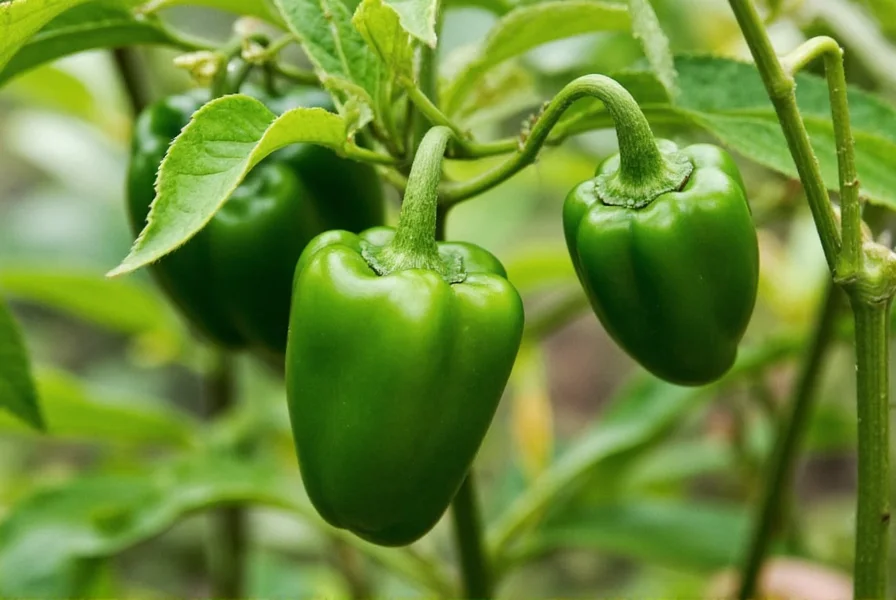
Pepper plants (Capsicum species) encompass a diverse range of varieties from sweet bell peppers to intensely hot habaneros. When selecting pepper plants for your garden, consider your climate, available space, and intended use. Sweet pepper varieties like California Wonder and Big Bertha perform well in most home gardens, while hot pepper enthusiasts might prefer jalapeños, cayenne, or Thai peppers. For container gardening, compact varieties such as Apache or Lunchbox peppers offer excellent yields in limited spaces. Understanding the specific heat level measured in Scoville Heat Units (SHU) helps match varieties to your culinary preferences.
Optimal Growing Conditions for Healthy Pepper Plants
Successful pepper cultivation begins with proper environmental conditions. These tropical-origin plants require warm soil temperatures (minimum 65°F) for germination and growth. In cooler climates, using black plastic mulch warms the soil effectively. Pepper plants need at least 6-8 hours of direct sunlight daily, with 10-12 hours producing optimal yields. The ideal soil pH ranges from 6.0 to 6.8, slightly acidic to neutral. Well-draining soil enriched with organic matter provides the necessary nutrients while preventing root rot. Raised beds work exceptionally well for pepper plants, improving drainage and warming the soil faster in spring.
Temperature management is critical throughout the pepper growth cycle. Research from Cornell University Cooperative Extension identifies key temperature thresholds that directly impact plant development and yield:
| Growth Stage | Critical Temperature Range | Impact on Plant Development |
|---|---|---|
| Germination | 80-85°F (27-29°C) | Optimal for seed sprouting; temperatures below 60°F (15°C) cause poor germination rates |
| Seedling Establishment | 70-80°F (21-27°C) daytime / 65-70°F (18-21°C) nighttime | Promotes strong root and leaf development; cooler temperatures stunt growth |
| Flowering | 70-85°F (21-29°C) | Temperatures above 90°F (32°C) reduce pollen viability and fruit set |
| Fruit Development | 75-85°F (24-29°C) | Cooler temperatures slow ripening; extreme heat above 95°F (35°C) causes blossom drop |
Source: Cornell University Cooperative Extension. (2021). Peppers in Home Gardens. Retrieved from https://content.cornell.edu/sites/default/files/2021-04/Peppers%20in%20Home%20Gardens.pdf
Planting and Care Techniques for Maximum Yield
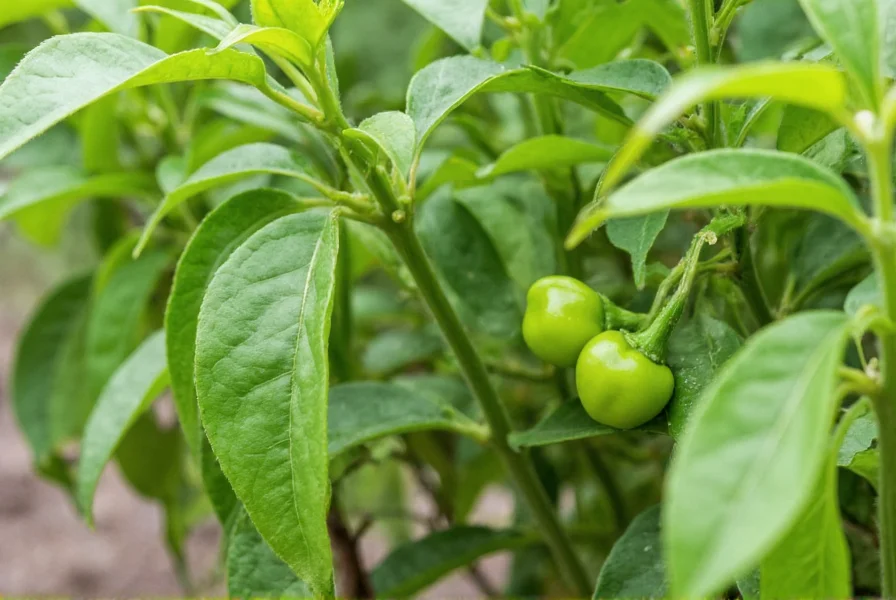
Start pepper seeds indoors 8-10 weeks before your last expected frost date. Use seed starting mix and maintain soil temperature around 80-85°F for best germination. Transplant seedlings outdoors when nighttime temperatures consistently stay above 55°F. Space plants 18-24 inches apart in rows 24-36 inches apart to ensure adequate air circulation. Apply 2-3 inches of organic mulch after soil has warmed to conserve moisture and suppress weeds. Fertilize with balanced organic fertilizer when first flowers appear, then switch to phosphorus-rich formula to encourage fruit development. Avoid high-nitrogen fertilizers which promote leafy growth at the expense of fruit production.
Watering Practices for Thriving Pepper Plants
Consistent moisture is critical for pepper plants, especially during flowering and fruit set. Water deeply 1-2 times per week rather than frequent shallow watering, aiming for 1-2 inches of water weekly. Drip irrigation systems deliver water directly to roots while keeping foliage dry, reducing disease risk. Container-grown peppers typically require daily watering during hot weather. Mulching helps maintain consistent soil moisture and prevents blossom end rot, a common calcium deficiency issue. Water early in the day to allow foliage to dry before evening, minimizing fungal disease development.
Managing Common Pepper Plant Pests and Diseases
Pepper plants face several common challenges that can reduce yields. Aphids, spider mites, and whiteflies often attack young plants; control them with insecticidal soap or neem oil. Blossom end rot appears as dark, sunken spots on fruit bottoms and results from inconsistent watering rather than calcium deficiency. Prevent it by maintaining even soil moisture. Phytophthora blight causes sudden plant collapse in wet conditions; prevent it with proper drainage and crop rotation. Tobacco mosaic virus shows as mottled leaves; prevent spread by washing hands after handling tobacco products. Companion planting with basil, onions, or marigolds deters many pests naturally.
Effective organic pest management requires precise identification and targeted interventions. The University of California Statewide IPM Program provides evidence-based organic control protocols validated through field research:
| Pest | Key Identification Signs | Recommended Organic Controls | Expected Control Timeline |
|---|---|---|---|
| Aphids | Clusters of small, soft-bodied insects on leaf undersides and stems | 5% insecticidal soap solution applied every 3-5 days; introduce lady beetles | Visible reduction within 3-5 days; elimination in 1-2 weeks |
| Spider Mites | Fine webbing, stippled/yellowed leaves, visible mites under magnification | Horticultural oil (2%) applied every 7 days; release predatory mites (Neoseiulus fallacis) | Population decline in 7-10 days; full control in 2-3 weeks |
| Whiteflies | Cloud of tiny white insects when plants are disturbed; sticky honeydew residue | Yellow sticky traps (1 trap per 7.5m²); neem oil spray every 5-7 days | Trap monitoring shows reduction in 5-7 days; control achieved in 2-4 weeks |
| Thrips | Silvered leaf surfaces, black frass specks, distorted new growth | Blue sticky traps; spinosad-based sprays every 5-7 days | Noticeable improvement in 7-10 days; complete control in 1-3 weeks |
Source: University of California Statewide IPM Program. (2023). Pepper Pest Management Guidelines. Retrieved from https://ipm.ucanr.edu/agriculture/pepper/
Harvesting and Preserving Your Pepper Crop
Harvest peppers when they reach full size and develop their characteristic color. Most sweet peppers can be picked green but develop sweeter flavor when allowed to ripen to red, yellow, or orange. Hot peppers typically increase in heat as they mature and change color. Use sharp scissors or pruners to cut peppers from the plant, leaving a small stem attached. Never pull peppers off as this can damage the plant. For continuous production, harvest regularly as peppers left on the plant too long signal the plant to stop producing. Store harvested peppers in the refrigerator crisper drawer for 2-3 weeks. For long-term storage, freeze chopped peppers or dry hot varieties for powder.
Troubleshooting Common Pepper Growing Problems
Several issues commonly affect pepper growers. If plants flower but don't set fruit, high temperatures above 90°F may be preventing pollination; provide afternoon shade during heat waves. Yellowing leaves could indicate nitrogen deficiency (older leaves yellow first) or overwatering (newer leaves yellow). Small, misshapen fruit often results from poor pollination; gently shake plants during flowering to improve pollen transfer. Sunscald appears as pale, blistered areas on fruit exposed to intense sun; provide light shade during peak afternoon sun. If plants grow tall but produce few peppers, excess nitrogen may be the culprit; switch to low-nitrogen fertilizer. Understanding these common problems helps gardeners adjust their care practices for better results.




 浙公网安备
33010002000092号
浙公网安备
33010002000092号 浙B2-20120091-4