
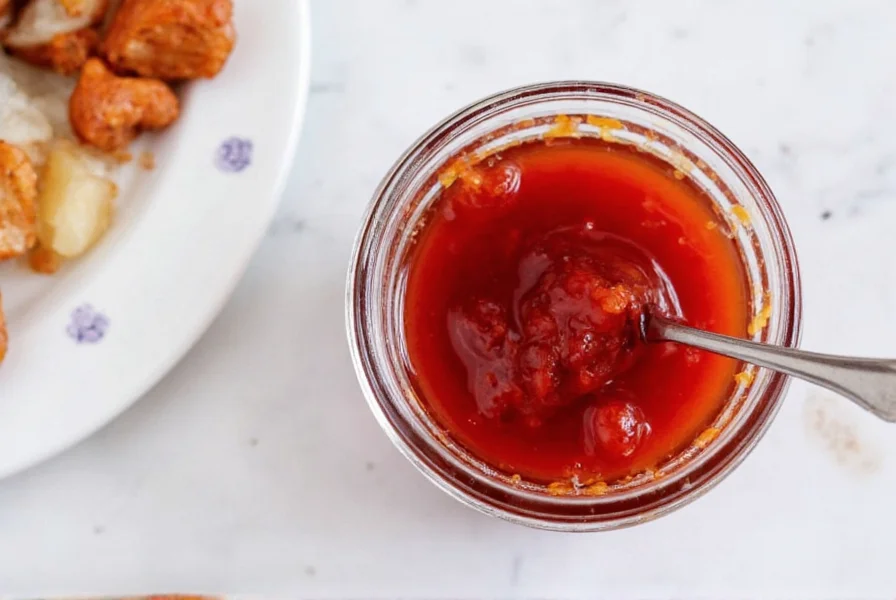
Understanding Pepper Jelly's Culinary Magic
Pepper jelly isn't just a Southern specialty anymore—it's become a pantry staple for home cooks seeking that perfect sweet-heat balance. Made from simmered peppers, sugar, and pectin, this vibrant condiment ranges from mildly sweet to intensely spicy depending on the pepper variety used. The magic happens when its complex flavor profile cuts through rich meats, balances creamy cheeses, and adds depth to simple dishes.
Why Pepper Jelly Elevates Everyday Cooking
What makes pepper jelly so special in recipes? Its unique combination of sugar, acid, and heat creates a flavor bridge between sweet and savory elements. Unlike plain jelly, pepper jelly contains vinegar and pepper solids that provide complexity missing in traditional fruit preserves. This makes it particularly effective in:
- Creating glossy, flavorful glazes that caramelize beautifully
- Adding dimension to simple cheese boards and appetizers
- Building complex sauce bases with minimal ingredients
- Providing quick flavor boosts to weeknight meals
Essential Pairings for Pepper Jelly Success
Certain ingredients naturally complement pepper jelly's flavor profile. Understanding these pairings helps you create balanced recipes with pepper jelly as the star:
| Pepper Jelly Type | Best Pairings | Recipe Applications |
|---|---|---|
| Mild (Bell Pepper) [0 SHU] | Cream cheese, poultry, pork | Appetizer swirls, chicken glazes |
| Medium (Jalapeño) [2,500–8,000 SHU] | Goat cheese, salmon, ham | Glazes, dipping sauces, sandwich spreads |
| Hot (Habanero) [100,000–350,000 SHU] | Blue cheese, duck, dark meats | Complex sauces, bold marinades |
Scoville Heat Unit (SHU) ranges verified by New Mexico State University Chile Pepper Institute chilepepperinstitute.org
Timeline: The Evolution of Pepper Jelly
Pepper jelly's journey from regional specialty to nationwide pantry staple reflects broader trends in American food preservation and flavor innovation:
- Pre-1940s: Jelly making required natural pectin from underripe fruit and was highly variable. Pepper-based preserves were uncommon due to inconsistent gelling properties.
- 1940s-1950s: Commercial pectin (like Certo) became widely available, enabling consistent jelly production. Home canners began experimenting with vegetable-based jellies, including early pepper jelly variations. Source: USDA National Center for Home Food Preservation, Principles of Home Canning
- 1980s: Pepper jelly emerged as a distinct Southern specialty, particularly with jalapeño and bell pepper varieties. It gained popularity as a holiday gift item and at farmers' markets. Source: Southern Foodways Alliance, Pepper Jelly Oral History Project
- 2000s-Present: Commercial production expanded nationally, with artisanal and flavored variations (mango-habanero, etc.) appearing in mainstream grocery stores. Food scientists have optimized recipes for consistent texture and safety.
Must-Try Recipes with Pepper Jelly
Cream Cheese Pepper Jelly Appetizer
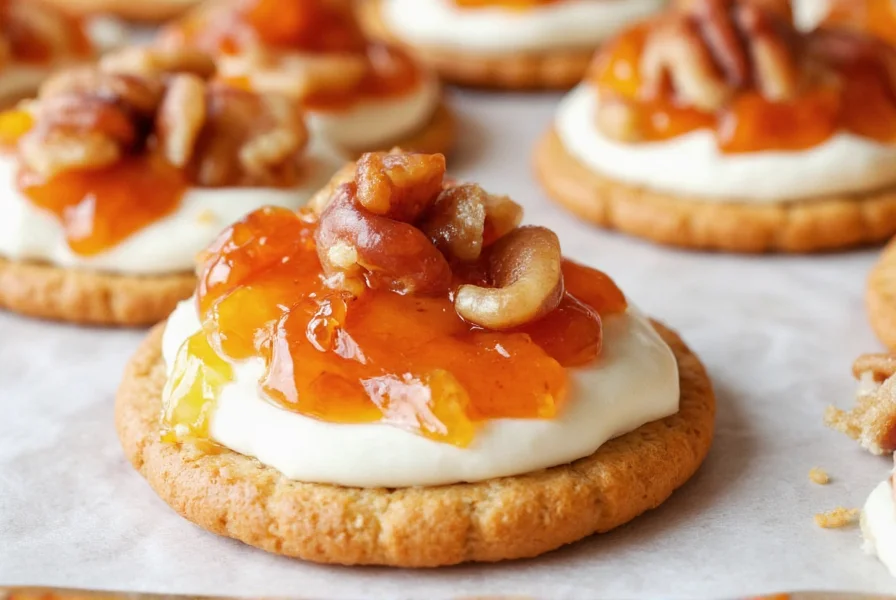
One of the easiest pepper jelly recipes that never fails to impress. Simply spread 8 ounces of softened cream cheese in a dish, top with ½ cup of pepper jelly, and serve with crackers or sliced baguette. For elevated pepper jelly appetizer ideas, try swirling the jelly into the cream cheese or adding chopped pecans on top for texture.
Pepper Jelly Glazed Chicken
This simple pepper jelly recipe transforms basic chicken into a restaurant-quality meal. Combine ½ cup pepper jelly, 2 tablespoons soy sauce, 1 tablespoon apple cider vinegar, and 1 teaspoon garlic powder. Brush onto chicken during the last 10 minutes of grilling or baking. The sugars in the jelly caramelize beautifully while the vinegar cuts through richness.
Pepper Jelly Meatball Sauce
A crowd-pleasing addition to any gathering, this easy pepper jelly recipe requires just three ingredients: 1 cup pepper jelly, 1 cup grape jelly, and 1 cup barbecue sauce. Simmer together and toss with fully cooked meatballs. This sweet and spicy pepper jelly dish works equally well with store-bought or homemade meatballs.
Pepper Jelly Glazed Salmon
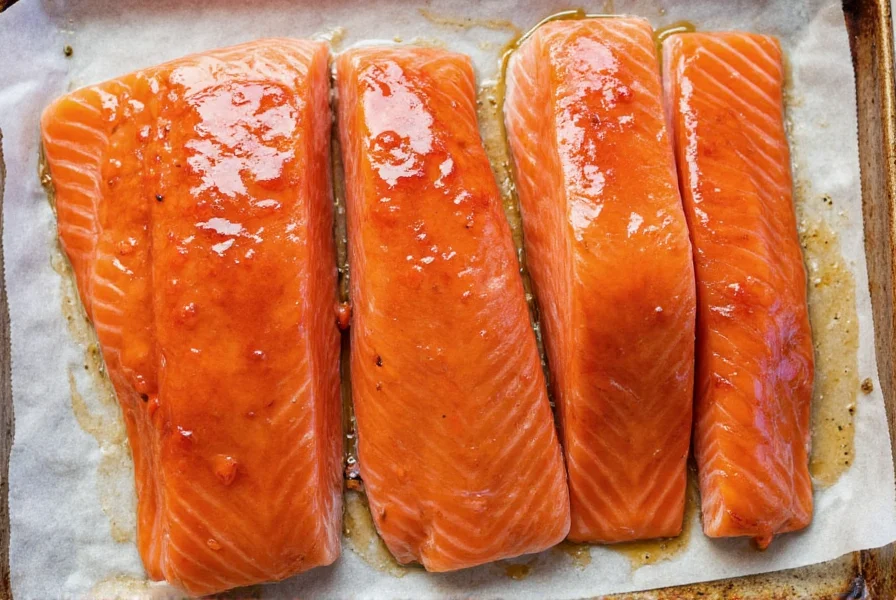
For seafood lovers seeking creative pepper jelly recipes, this preparation delivers impressive results with minimal effort. Mix ⅓ cup pepper jelly with 2 tablespoons Dijon mustard and 1 tablespoon lemon juice. Brush onto salmon fillets during the final cooking minutes. The jelly's sugar content creates a beautiful glaze while the pepper heat complements the fish's richness.
Pro Tips for Perfect Pepper Jelly Recipes
Master these techniques to ensure your pepper jelly creations always shine:
- Heat adjustment: If your pepper jelly is too spicy, balance with additional sweet elements like honey or brown sugar
- Timing matters: Add pepper jelly late in cooking to preserve its bright flavor and prevent burning
- Texture control: For smoother sauces, strain jelly before using; for more texture, leave it as-is
- Acid balance: Counter excessive sweetness with a splash of vinegar or citrus juice
Context Boundaries: When Pepper Jelly May Not Shine
While versatile, pepper jelly has specific limitations that home cooks should understand for optimal results:
- Dietary Considerations: With approximately 50g of sugar per 100g (per USDA FoodData Central), it's unsuitable for strict diabetic diets without modification. Sugar substitutes may alter texture and gelling properties. Source: USDA FoodData Central, Entry #170155
- Flavor Overpowering: In dishes with very delicate flavors (like poached white fish or mild vegetables), even mild pepper jelly can dominate. Reserve it for robust proteins and cheeses as shown in our pairing guide.
- Food Safety Critical Control Points: Homemade pepper jelly must maintain a pH ≤4.6 to prevent botulism risk. This requires precise vinegar-to-fruit ratios and proper processing in a boiling water bath for 10 minutes. Source: USDA Complete Guide to Home Canning (2015), Page 7-10
Storage and Shelf Life Guidance
Proper storage ensures your pepper jelly maintains quality for future recipes. Unopened commercial pepper jelly keeps for 1-2 years in a cool, dark place. Once opened, refrigerate and use within 6 months. Homemade pepper jelly follows the same timeline but may have slightly shorter shelf life depending on sugar content. Always check for mold or off smells before using.




 浙公网安备
33010002000092号
浙公网安备
33010002000092号 浙B2-20120091-4