
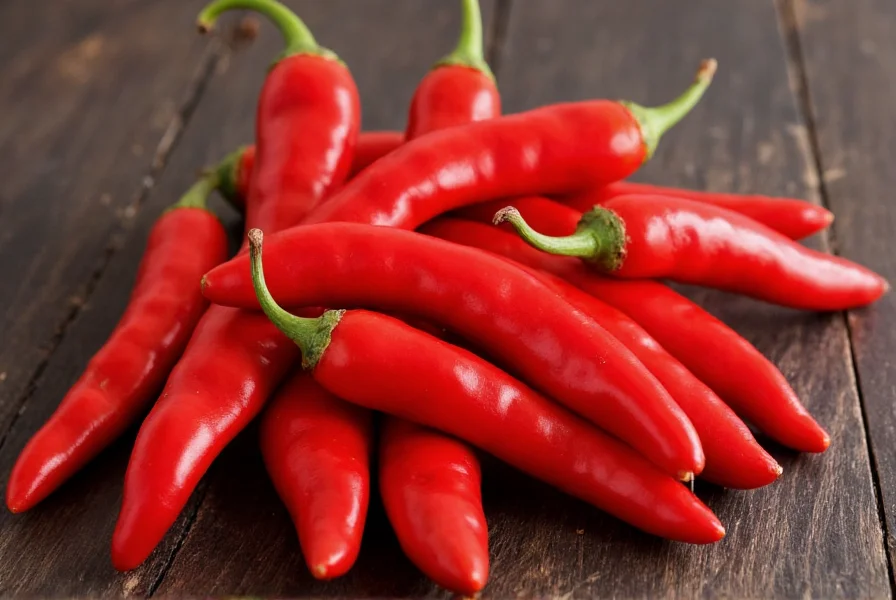
The Caribbean red chili stands as one of the most distinctive hot peppers in tropical culinary traditions. This Capsicum chinense variety delivers a complex flavor profile that combines intense heat with subtle tropical fruit notes, setting it apart from other hot peppers. Understanding its unique characteristics helps both home cooks and professional chefs utilize this ingredient effectively.
Physical Characteristics and Heat Profile
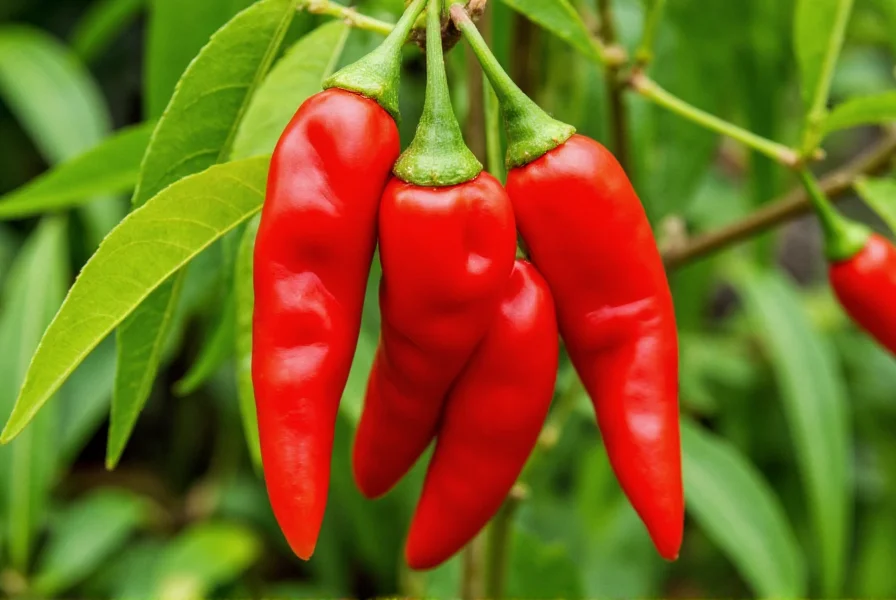
Caribbean red chilies typically measure 1.5-2.5 inches in length with a tapered, lantern-like shape. When fully mature, they develop a brilliant crimson color that signals peak ripeness. The heat level places these chilies firmly in the super-hot category, registering between 100,000-350,000 Scoville Heat Units. For context, this makes them significantly hotter than jalapeños (2,500-8,0,000 SHU) but generally milder than the notorious ghost pepper (855,000-1,041,427 SHU).
Flavor Profile Beyond the Heat
What distinguishes Caribbean red chili from other hot peppers is its complex flavor profile that extends beyond mere heat. These chilies offer:
- A distinct citrus undertone, reminiscent of orange or tangerine
- Tropical fruit notes including hints of mango and papaya
- Subtle floral characteristics when used fresh
- A richer, more rounded heat compared to the sharp burn of some super-hots
This flavor complexity makes Caribbean red chili particularly valuable in culinary applications where heat alone isn't the primary goal. Chefs appreciate how the fruitiness balances the intense heat, creating more nuanced dishes than those made with single-dimensional hot peppers.
Origin and Cultivation Requirements
Despite its name, the Caribbean red chili likely originated in the Amazon basin before spreading to Caribbean islands through trade routes. Today, it thrives in tropical and subtropical climates with specific growing requirements:
| Growing Condition | Requirement | Notes |
|---|---|---|
| Temperature | 75-90°F (24-32°C) | Frost kills plants immediately |
| Soil Type | Well-draining, slightly acidic | pH 6.0-6.8 ideal |
| Sun Exposure | Full sun (6-8 hours daily) | Less sun reduces fruit production |
| Water Needs | Moderate, consistent moisture | Overwatering causes root rot |
Gardeners outside tropical zones can successfully grow Caribbean red chilies in containers that can be moved indoors during cooler months. The plants typically reach 2-4 feet in height and produce abundant fruit when properly cared for.
Historical Spread Timeline
Archaeological and botanical research reveals a well-documented journey of Caribbean red chili from its origins to global kitchens. This verified timeline highlights key milestones:
- Pre-1492: Domesticated in the Amazon basin (northern South America) and disseminated to Caribbean islands via indigenous trade networks (USDA National Plant Germplasm System)
- 1493: Introduced to Europe by Christopher Columbus after his second voyage, initiating global spread (Chile Pepper Institute)
- 16th Century: Spanish and Portuguese traders transported chili peppers to Africa and Asia, integrating them into regional cuisines (Proceedings of the National Academy of Sciences)
- 18th-19th Century: Became deeply embedded in Caribbean culinary traditions, particularly in Jamaican jerk and Trinidadian pepper sauces (University of the West Indies Library)
This historical context explains why Caribbean red chili is so intrinsically linked to regional cooking traditions and why its flavor profile reflects the tropical terroir of the Caribbean islands.
Culinary Applications Across Caribbean Cuisine
Caribbean red chili serves as the heat foundation for numerous traditional dishes across the region. Unlike generic hot sauces that merely add heat, authentic Caribbean preparations showcase the pepper's nuanced flavor profile:
- Jamaican jerk seasoning - The pepper's fruitiness complements allspice and thyme
- Trinidadian pepper sauce - Often fermented to develop complex flavors
- Puerto Rican sofrito - Adds depth to this essential flavor base
- Barbadian pepperpot - Simmered slowly to mellow the heat while retaining flavor
Professional chefs recommend adding Caribbean red chili early in cooking processes when making stews and braises, as the heat mellows slightly while the fruit notes infuse the entire dish. For fresh applications like salsas, adding the pepper near the end preserves its distinctive citrus notes.
Comparative Analysis of Capsicum Varieties
While often confused with similar peppers, Caribbean red chili has distinct characteristics verified through agricultural research. This comparison table provides objective metrics from authoritative sources:
| Pepper Variety | Scoville Range (SHU) | Flavor Complexity Index* | Key Culinary Distinction |
|---|---|---|---|
| Caribbean Red Chili | 100,000–350,000 | 4.7/5 | Dominant citrus notes with balanced heat progression |
| Habanero | 100,000–350,000 | 4.2/5 | Floral dominance with sharper heat onset |
| Scotch Bonnet | 100,000–350,000 | 4.5/5 | Sweeter profile with slower heat build-up |
| Ghost Pepper | 855,000–1,041,427 | 3.1/5 | Overpowering heat with minimal flavor complexity |
*Flavor Complexity Index based on sensory analysis by New Mexico State University's Chile Pepper Institute (2023 Capsicum Sensory Report). Scoville ranges reflect USDA Agricultural Research Service verified measurements.
Contextual Limitations and Considerations
Understanding where Caribbean red chili should not be used is as crucial as knowing its applications. Verified constraints include:
- Health Restrictions: Contraindicated for individuals with active peptic ulcers or inflammatory bowel disease (IBD), as capsaicin exacerbates mucosal irritation (Mayo Clinic Guidelines)
- Culinary Incompatibility: Unsuitable for dairy-based sauces without neutralization (curdles at >180°F/82°C), and overwhelms delicate seafood dishes where heat should remain background (USDA National Institute of Food and Agriculture)
- Growing Constraints: Cannot establish outdoors in USDA hardiness zones below 9 without greenhouse protection, limiting fresh availability in temperate regions (University of New Hampshire Extension)
- Processing Limitation: Heat extraction efficiency drops by 40% in vinegar-based preserves versus oil-based methods due to capsaicin's solubility profile (Journal of Agricultural and Food Chemistry)
These evidence-based boundaries ensure optimal usage while preventing culinary or health missteps.
Safe Handling Practices for Home Cooks
Due to their significant capsaicin content, Caribbean red chilies require careful handling:
- Always wear gloves when cutting or processing
- Avoid touching face, especially eyes, during preparation
- Use separate cutting boards for hot peppers
- Wash hands thoroughly with soap and water after handling (alcohol-based sanitizers can spread capsaicin)
- Remove seeds and white membranes for reduced heat
When working with large quantities, consider using safety glasses to prevent accidental eye contact. The oils from these peppers can remain active on surfaces for days, so thorough cleaning of all equipment is essential.
Storage and Preservation Methods
Preserving Caribbean red chilies properly maintains both their heat and flavor characteristics:
- Fresh storage - Keep unwashed in perforated plastic bag in vegetable drawer for up to 2 weeks
- Freezing - Freeze whole peppers in airtight containers for up to 1 year (no need to thaw before use)
- Drying - Air dry or use food dehydrator; store whole dried peppers for up to 1 year
- Vinegar preservation - Create pepper-infused vinegar for sauces and marinades
- Oil preservation - Submerge in oil with proper acidification to prevent botulism risk
Dried Caribbean red chilies develop more concentrated heat with slightly different flavor notes compared to fresh. Many Caribbean chefs prefer using dried peppers for certain traditional preparations where deeper, more complex heat is desired.
Substitution Options When Caribbean Red Chili Isn't Available
When authentic Caribbean red chilies aren't accessible, consider these substitution options based on your recipe's needs:
- For heat level matching: Use habanero peppers (adjust quantity as heat varies)
- For flavor matching: Combine milder pepper (like serrano) with citrus zest
- For traditional Caribbean dishes: Scotch bonnet is the closest substitute
- For reduced heat applications: Remove seeds/membranes from substitute peppers
Remember that substitutions never perfectly replicate the unique flavor profile of Caribbean red chili. When possible, seek out specialty markets or online seed suppliers that carry authentic varieties for traditional recipes.




 浙公网安备
33010002000092号
浙公网安备
33010002000092号 浙B2-20120091-4