
Ever wondered about those cheerful little potato pieces that seem to brighten up children's meal trays? Potato smileys have become a nostalgic comfort food for generations, yet many home cooks remain unfamiliar with their origins and preparation methods. This comprehensive guide explores everything you need to know about this distinctive potato product, from its historical development to how you can recreate the experience in your own kitchen.
What Exactly Are Potato Smileys?
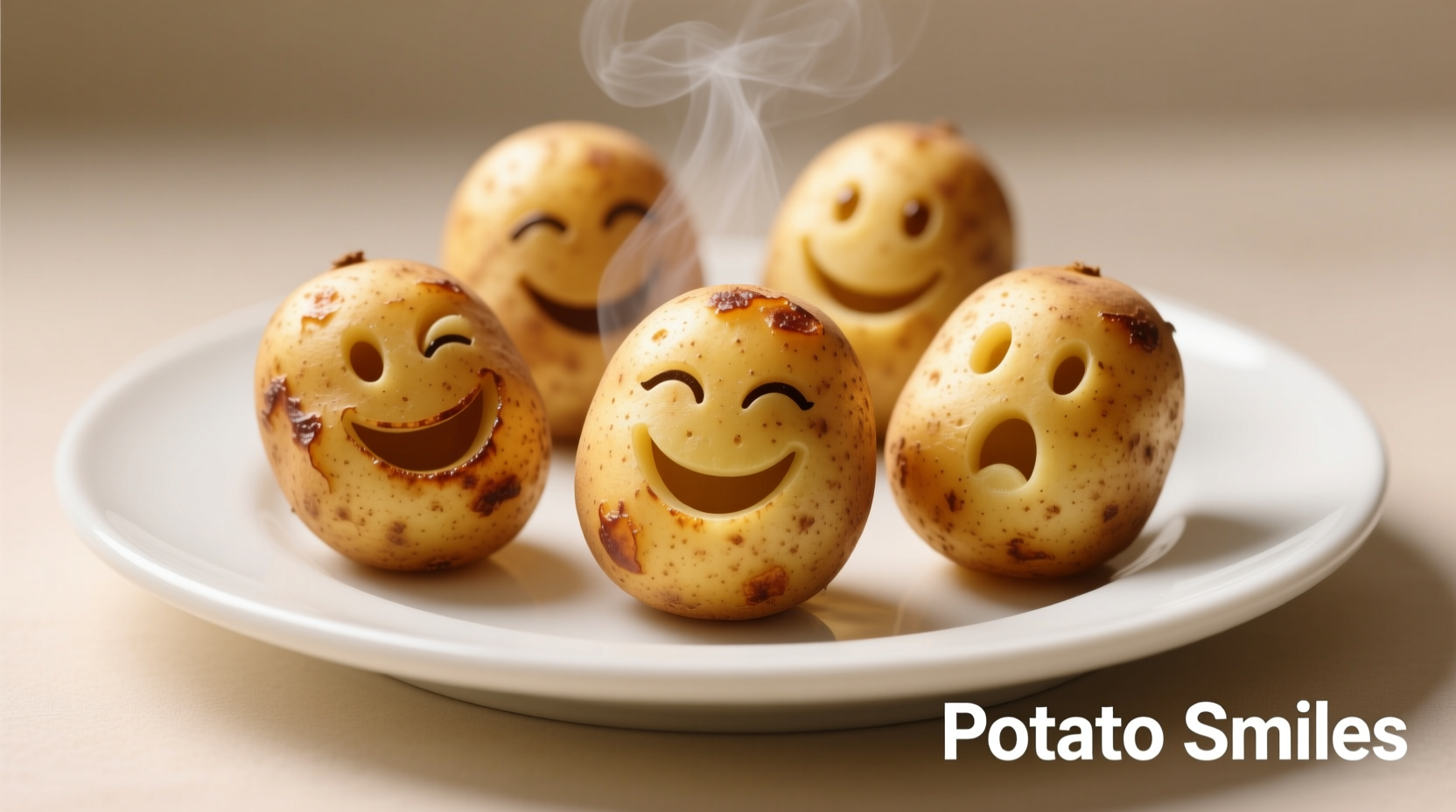
Potato smileys are bite-sized potato products characterized by their round shape and signature "smile" cut across the top. Unlike traditional potato cuts like wedges or fries, smileys are typically made from processed potato ingredients rather than whole potatoes. The manufacturing process involves:
- Reconstituting dehydrated potato flakes with water and binders
- Forming the mixture into small, uniform rounds
- Cutting the distinctive smile-shaped groove
- Partial frying before freezing for consumer use
When properly cooked, they develop a golden-brown exterior while maintaining a soft, fluffy interior that appeals particularly to younger eaters. Their consistent size and shape make them ideal for portion control in institutional settings like schools and hospitals.
Historical Evolution of Potato Smileys
The development of potato smileys represents an interesting chapter in food processing history. Our timeline reveals how this product emerged from broader innovations in potato technology:
| Time Period | Key Developments | Industry Impact |
|---|---|---|
| 1950s-1960s | Development of commercial potato flake technology | Enabled mass production of reconstituted potato products |
| Early 1970s | Introduction of smile-shaped cut for children's appeal | Created distinctive product identity in frozen food market |
| Late 1970s | Adoption by school lunch programs nationwide | Became staple in institutional food service |
| 1980s-1990s | Expansion of flavor varieties (cheddar, garlic) | Broadened consumer appeal beyond children's meals |
| 2000s-Present | Health-conscious reformulations with reduced sodium | Adapted to modern nutritional standards while maintaining popularity |
According to historical records from the National Potato Council, the distinctive smile shape was specifically designed to make potato consumption more appealing to children during a period when school nutrition programs were expanding nationwide. This innovation came shortly after the development of reliable frozen potato processing techniques that made consistent mass production possible.
How Potato Smileys Differ From Similar Products
While often confused with other potato products, smileys have several distinctive characteristics that set them apart. Understanding these differences helps consumers make informed choices based on their specific needs and preferences.
The primary distinction lies in their composition and shape. Unlike tater tots which are shredded potato formed into cylinders, or hash browns which are grated, smileys use reconstituted potato flakes formed into rounds with the signature cut. This gives them a more uniform texture and appearance that's particularly appealing in institutional settings where consistency matters.
Recreating Potato Smileys at Home
While commercial versions dominate the market, you can create a homemade approximation that captures the essence of this nostalgic food. Here's a practical approach that maintains the recognizable characteristics while using whole food ingredients:
- Boil and mash 2 pounds of russet potatoes until completely smooth
- Mix with 1 egg, 1/4 cup flour, and seasonings of choice
- Form into 1.5-inch rounds using an ice cream scoop
- Use a small knife to create the signature smile-shaped groove
- Freeze formed pieces for 30 minutes before cooking
- Shallow fry in 1/4 inch of oil at 350°F (175°C) for 3-4 minutes per side
This method produces a product with similar appearance and texture to commercial versions, though the flavor profile will be more potato-forward without the processed binders. For best results, serve immediately after cooking when the exterior is crisp and the interior remains fluffy.
Regional Popularity and Cultural Context
Potato smileys demonstrate interesting regional variations in popularity and usage. Research from the USDA Economic Research Service shows these distinctive patterns:
- Most prevalent in Midwestern and Northeastern US school lunch programs
- Rarely found in Southern US institutional menus, which favor hash browns
- Popular in Canadian school systems, particularly in Ontario and Quebec
- Almost nonexistent in European and Asian food service contexts
This regional distribution reflects broader patterns in institutional food service preferences and the influence of major foodservice distributors who established early relationships with school systems in specific geographic areas. The product's enduring popularity in certain regions despite evolving school nutrition standards speaks to its cultural entrenchment in those communities.
Nutritional Considerations
Understanding the nutritional profile of potato smileys helps consumers make informed choices. According to USDA FoodData Central, a standard serving (85g) of commercially prepared potato smileys contains:
- Approximately 140 calories
- 6g fat (1g saturated)
- 20g carbohydrates
- 2g protein
- 270mg sodium
Modern formulations have reduced sodium content by up to 25% compared to versions from the 1980s, reflecting broader industry trends toward healthier processed foods. When prepared at home using the method described above, you can further reduce fat content by baking instead of frying, though this may affect the characteristic texture.
Practical Applications Beyond the Obvious
While traditionally served as a side dish, creative cooks have discovered additional uses for potato smileys that expand their culinary versatility:
- As a base for mini nachos topped with cheese and salsa
- Crushed and used as a casserole topping instead of breadcrumbs
- Added to soups for texture and visual interest
- Used in breakfast hashes with vegetables and eggs
These adaptations demonstrate how a simple processed food item can be incorporated into more complex dishes while maintaining its distinctive identity. The uniform size and shape make them particularly useful for portion-controlled applications in both home and professional kitchens.




 浙公网安备
33010002000092号
浙公网安备
33010002000092号 浙B2-20120091-4