
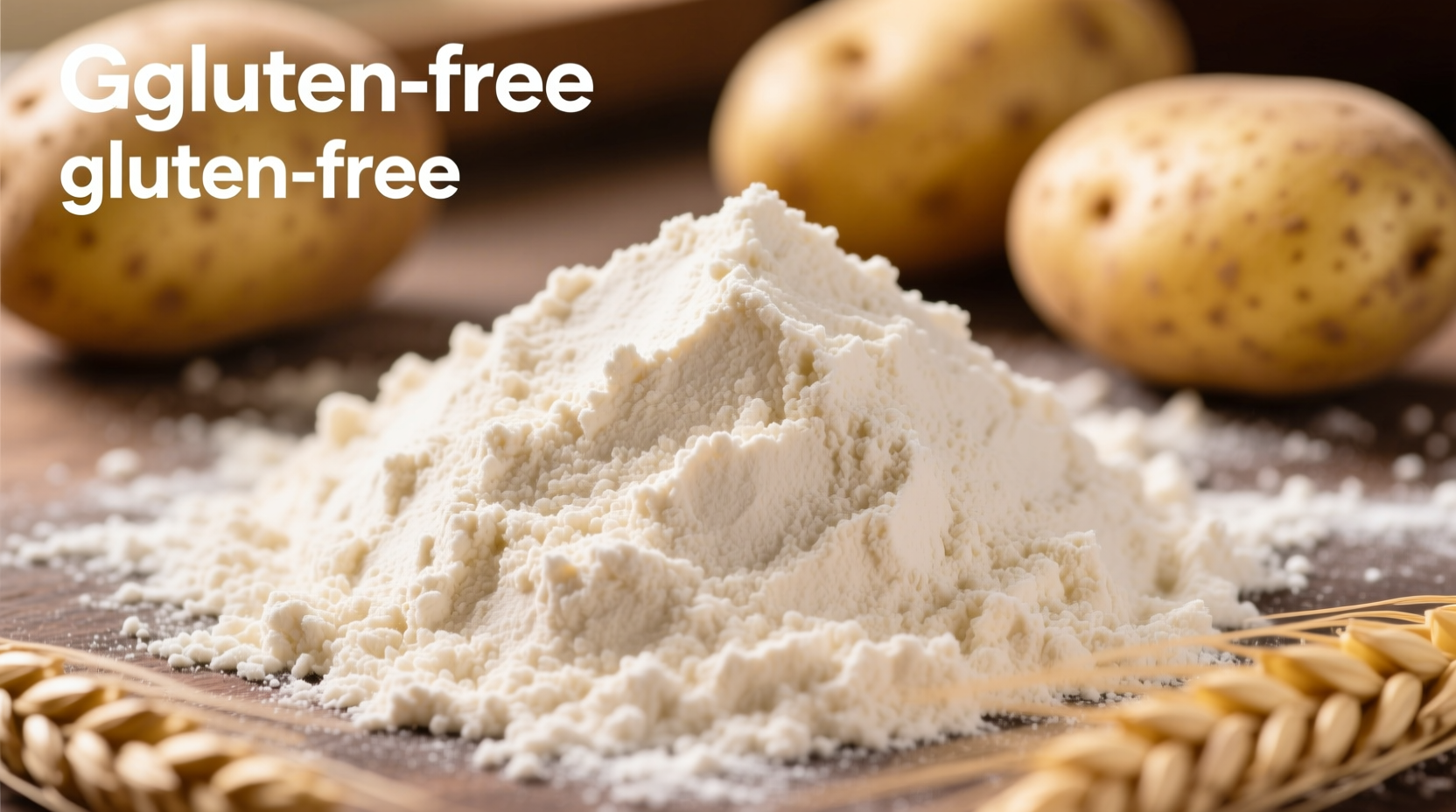
Yes, pure potato flour is naturally gluten-free because it's made from 100% potatoes, which don't contain gluten proteins. However, always check for certified gluten-free labeling to avoid cross-contamination risks during processing, especially if you have celiac disease or severe gluten sensitivity.
Discover exactly how potato flour fits into a gluten-free lifestyle, what to watch for when purchasing, and how to use it effectively in your cooking and baking. This comprehensive guide provides science-backed information you can trust for safe gluten-free meal preparation.
Understanding Potato Flour: The Gluten-Free Basics
Potato flour and potato starch are often confused, but they're different products with distinct properties. Potato flour is made from whole peeled potatoes that are cooked, dried, and ground into a fine powder. It contains all the components of the potato, including fiber and protein. Potato starch, meanwhile, is extracted from crushed potatoes and is nearly pure carbohydrate.
Both products are naturally gluten-free since potatoes are vegetables, not grains. Gluten only exists in wheat, barley, rye, and their derivatives. The U.S. Food and Drug Administration confirms that single-ingredient foods like potato flour are inherently gluten-free.
Why Certification Matters for Gluten-Sensitive Individuals
While potato flour itself contains no gluten, the risk comes from cross-contamination during growing, processing, or packaging. Facilities that process both gluten-containing and gluten-free products can transfer trace amounts of gluten.
The Celiac Disease Foundation emphasizes that for those with celiac disease, even 20 parts per million (ppm) of gluten can trigger symptoms and intestinal damage. This is why certified gluten-free products undergo rigorous testing to ensure they contain less than this threshold.
| Product Type | Gluten Status | Recommended for Celiac Disease | Key Consideration |
|---|---|---|---|
| Plain potato flour | Naturally gluten-free | Only with certification | High cross-contamination risk |
| Certified gluten-free potato flour | Verified gluten-free | Yes | Tested below 20 ppm gluten |
| Potato starch | Naturally gluten-free | Only with certification | Check processing facility |
Practical Guidance for Safe Usage
When incorporating potato flour into your gluten-free cooking, follow these evidence-based recommendations:
- Always read labels carefully - Look for "certified gluten-free" rather than just "gluten-free" which isn't regulated
- Check for facility information - Products made in dedicated gluten-free facilities are safest
- Understand usage differences - Potato flour absorbs more liquid than wheat flour (use 7/8 cup potato flour per 1 cup wheat flour)
- Store properly - Keep in airtight containers to prevent moisture absorption which affects baking results
According to research published in the Journal of Cereal Science, potato flour's unique binding properties make it particularly valuable in gluten-free baking, helping to improve texture and moisture retention in breads and pastries.
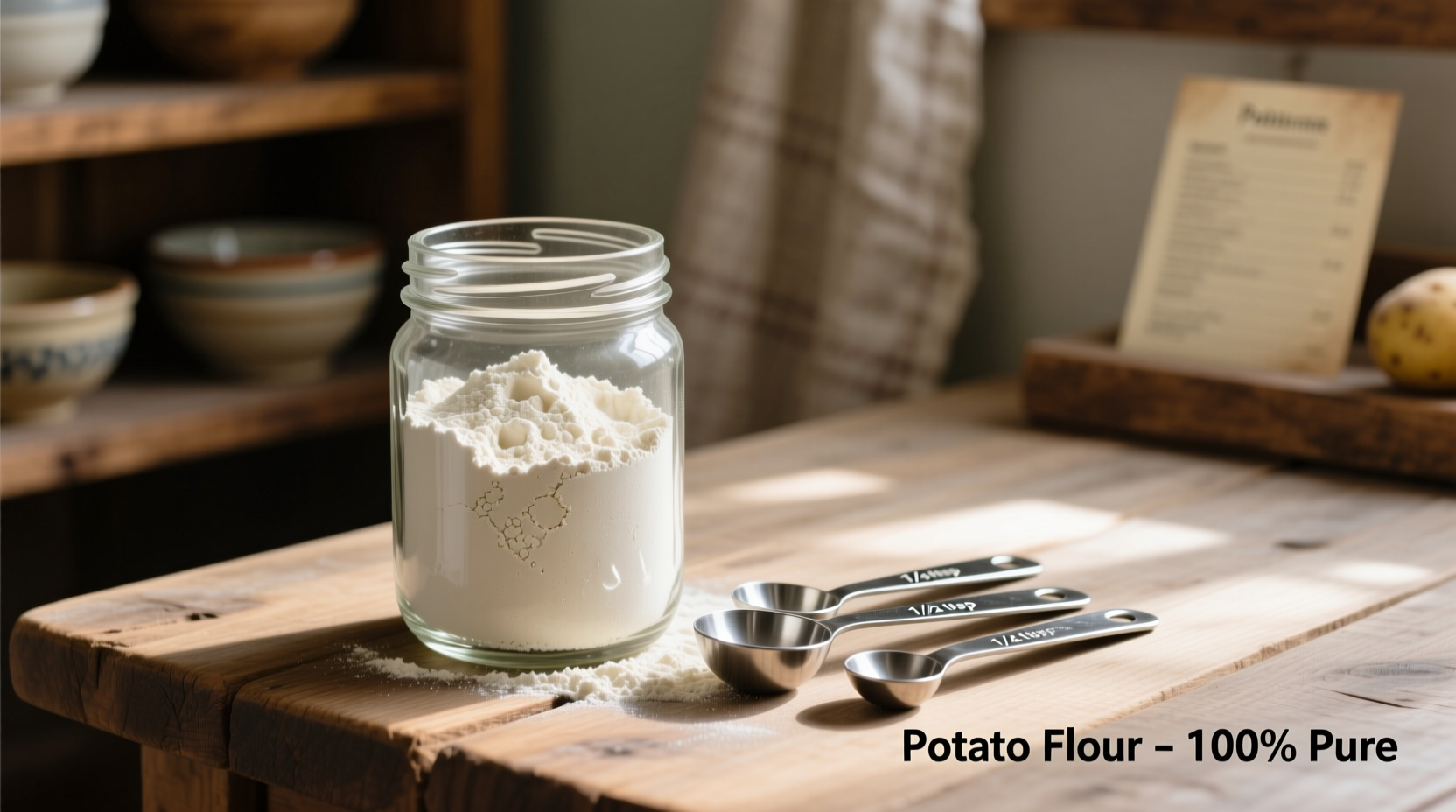
Comparing Potato Flour to Other Gluten-Free Alternatives
While potato flour is gluten-free, it's not your only option. Understanding how it compares to alternatives helps you make informed choices:
- Rice flour - More neutral flavor but lacks potato flour's binding properties
- Almond flour - Higher protein and fat content, not suitable for all recipes
- Cornstarch - Similar thickening power but different flavor profile
- Tapioca starch - Better for chewiness in breads, while potato flour excels in moisture retention
The USDA Agricultural Research Service notes that potato flour's high starch content (approximately 75-80%) gives it superior thickening capabilities compared to many alternatives, making it particularly valuable for sauces and gravies in gluten-free cooking.
Special Considerations for Different Dietary Needs
While potato flour is gluten-free, it's important to consider other dietary factors:
- For celiac disease - Only use certified gluten-free products with clear processing information
- For wheat allergy - Pure potato flour is safe, but check for potential cross-reactivity concerns
- For low-carb diets - Potato flour is high in carbohydrates (about 80g per 100g)
- For nightshade sensitivity - Potatoes are nightshades, so avoid if you have this sensitivity
Registered dietitians at the Academy of Nutrition and Dietetics recommend that individuals with multiple dietary restrictions work with a nutrition professional to ensure balanced nutrient intake when using specialty flours like potato flour.
Practical Applications in Gluten-Free Cooking
Potato flour shines in specific culinary applications where its unique properties provide advantages over other gluten-free alternatives:
- As a thickener - Use 1-2 tablespoons in soups, sauces, and gravies (twice as powerful as wheat flour)
- In bread baking - Adds moisture and extends freshness in gluten-free bread recipes
- For binding - Helps hold together meatballs, veggie burgers, and other bind-dependent recipes
- In pie crusts - Creates a tender, flaky texture when combined with other gluten-free flours
Professional chefs specializing in gluten-free cuisine note that potato flour's neutral flavor makes it versatile across both sweet and savory applications, unlike some alternative flours that impart strong flavors.




 浙公网安备
33010002000092号
浙公网安备
33010002000092号 浙B2-20120091-4