
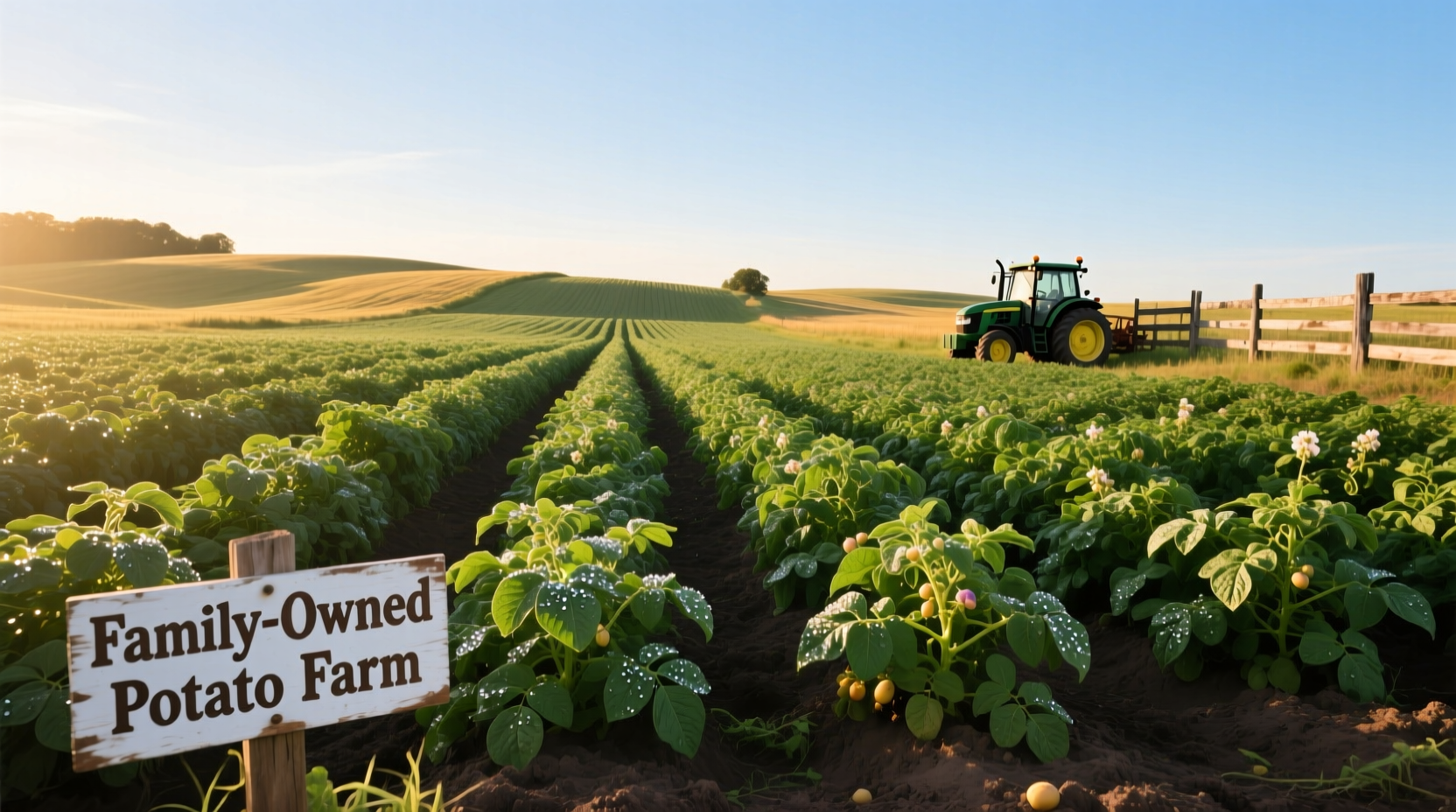
Potato farms are agricultural operations dedicated to cultivating potatoes, with the United States producing over 400 million hundredweight annually across 1 million acres. Modern potato farming combines traditional knowledge with precision agriculture techniques to maximize yield while maintaining soil health and sustainability.
Ever wondered how those perfectly shaped potatoes end up on your dinner plate? Understanding potato farming reveals a sophisticated agricultural process that blends centuries-old knowledge with cutting-edge technology. This guide delivers actionable insights for consumers curious about their food sources and aspiring farmers seeking practical cultivation knowledge.
How Potato Farming Works: From Seed to Harvest
Contrary to popular belief, commercial potato farms don't plant actual potato seeds. Instead, they use "seed potatoes"—certified disease-free tubers cut into pieces with at least one "eye" (growth bud). The planting process follows precise timing based on soil temperature, typically when the ground reaches 45-50°F (7-10°C).
Modern potato farms employ precision agriculture techniques that optimize every stage:
- Soil preparation: Fields receive soil testing 3-6 months before planting to determine nutrient needs
- Planting: Specialized planters place seed pieces 3-4 inches deep at 8-12 inch intervals
- Irrigation management: Most farms use drip or sprinkler systems with moisture sensors
- Pest control: Integrated approaches combine crop rotation with targeted pesticide applications
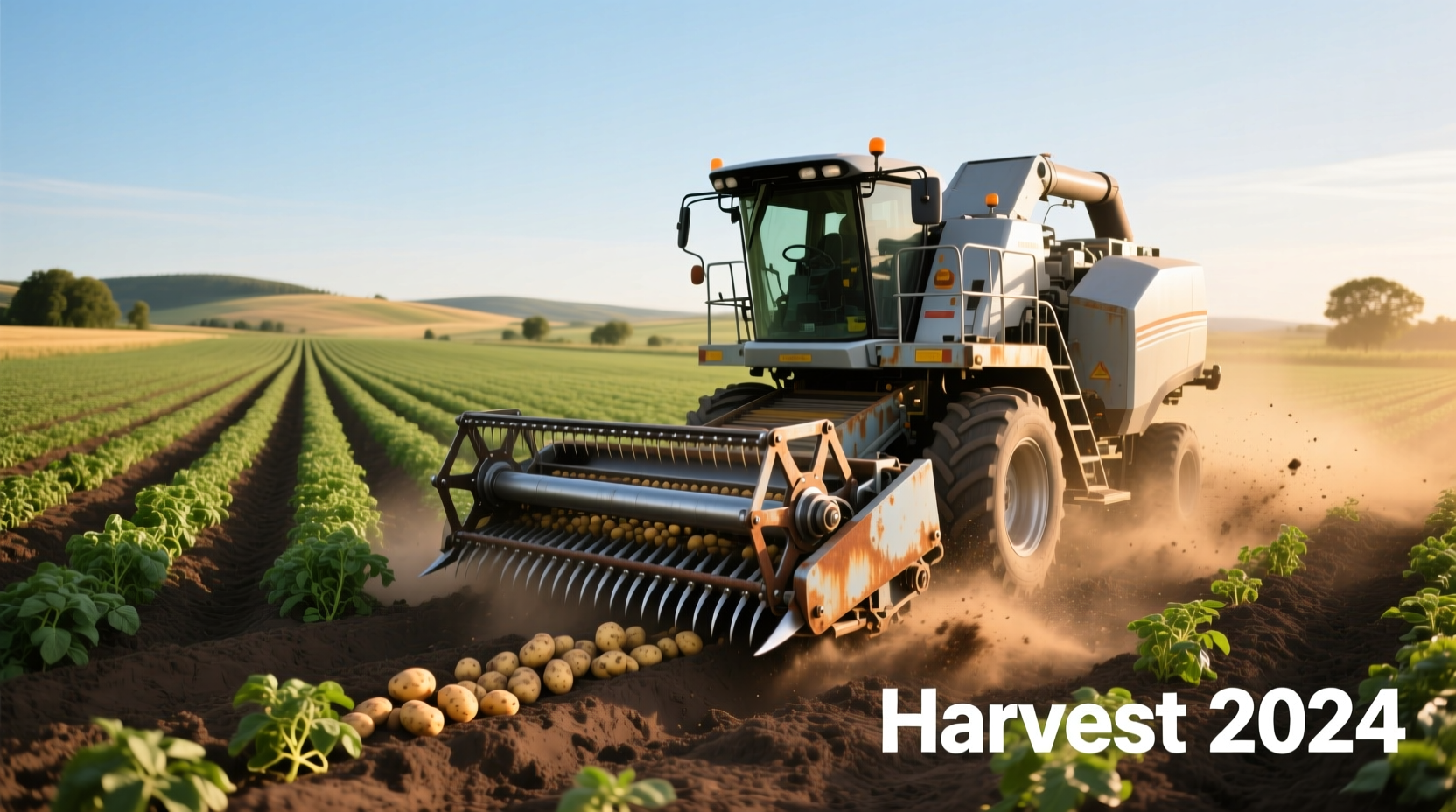
- Harvesting: Mechanical harvesters dig up potatoes while minimizing damage to tubers
The entire growth cycle takes 70-120 days depending on variety and climate conditions. Russet potatoes, the most common variety for baking and frying, typically require 90-110 days to reach maturity.
Global Potato Farming Timeline: Evolution of Cultivation Practices
Potato farming has evolved dramatically since its origins in the Andes mountains. Understanding this timeline helps contextualize modern practices:
| Time Period | Key Developments | Impact on Modern Farming |
|---|---|---|
| 8,000-5,000 BCE | First domestication in Andes region of South America | Foundation of all modern potato varieties |
| 1530s-1570s | Spanish introduction to Europe | Global spread of potato cultivation |
| 1840s | Potato blight causes Irish famine | Development of disease-resistant varieties |
| 1950s | Mechanized harvesting introduced | Increased efficiency, reduced labor costs |
| 2000s-present | Precision agriculture technologies | Optimized water/fertilizer use, reduced environmental impact |
According to the Food and Agriculture Organization (FAO), this evolution has increased global potato yields from approximately 7 metric tons per hectare in 1961 to over 24 metric tons per hectare today—a remarkable 243% improvement in productivity (FAO, 2023).
Types of Potato Farms: Matching Methods to Market Needs
Not all potato farms operate the same way. Different production models serve specific market demands:
Commercial Scale Operations
These large farms (typically 500+ acres) produce potatoes for major food processors and grocery chains. They focus on uniform varieties like Russets for french fries or Chipping potatoes for snack production. The USDA reports that Idaho, Washington, and Wisconsin account for over 50% of U.S. potato production, with these states specializing in different varieties for specific end uses (USDA NASS, 2023).
Specialty and Organic Farms
Smaller operations (under 100 acres) often focus on heirloom varieties, organic production, or direct-to-consumer sales. These farms typically grow diverse potato types including fingerlings, purple potatoes, and other specialty varieties that command premium prices.
Seed Potato Farms
A specialized segment produces certified seed potatoes. These farms operate under strict protocols to prevent disease transmission and maintain genetic purity. Most seed potato production occurs in cooler regions like Maine and parts of the Pacific Northwest where disease pressure is lower.
Key Challenges Facing Modern Potato Farms
Potato farming presents unique challenges that require sophisticated management approaches:
Soil Health Management
Potatoes are heavy feeders that deplete soil nutrients rapidly. Successful farms implement rigorous crop rotation schedules, typically growing potatoes only once every 3-4 years on the same field. The most effective rotations include:
- Legumes (to fix nitrogen)
- Grasses (to improve soil structure)
- Brassicas (to suppress soil-borne diseases)
According to research from Cornell University's College of Agriculture and Life Sciences, proper crop rotation can reduce potato disease incidence by up to 60% while improving soil organic matter (Cornell CALS, 2022).
Water Management Constraints
Potatoes require consistent moisture but are vulnerable to rot in waterlogged conditions. This creates a narrow optimal moisture range that varies by growth stage:
- Planting to emergence: 60-70% soil moisture capacity
- Tuber initiation: 70-80% (critical period for yield determination)
- Tuber bulking: 80-90% (maximizes size development)
- Maturity: Gradual reduction to 60% to harden skin
Farms in arid regions like Idaho's Snake River Plain have developed sophisticated irrigation scheduling systems that adjust water application based on evapotranspiration rates and soil moisture sensors.
Sustainable Practices Transforming Potato Farming
Forward-thinking potato farms are adopting practices that balance productivity with environmental stewardship:
Precision Agriculture Technologies
Modern farms use GPS-guided equipment and variable rate technology to apply inputs precisely where needed. This approach reduces fertilizer use by 15-20% while maintaining yields. Some operations now implement:
- Soil mapping to identify nutrient variability within fields
- Drone-based crop monitoring for early disease detection
- Automated irrigation systems with real-time soil moisture feedback
Integrated Pest Management (IPM)
Leading potato farms have reduced pesticide applications through IPM strategies that combine:
- Resistant varieties
- Predatory insects for pest control
- Precision spraying only where needed
- Disease forecasting models
The Potato Sustainability Initiative reports that participating farms have reduced pesticide use by an average of 25% while maintaining crop protection standards (Potato Sustainability Initiative, 2023).
How to Find and Support Local Potato Farms
Consumers increasingly want to connect with the source of their food. Here's how to find and engage with potato farms in your area:
- Check your state's agricultural extension website for farm directories
- Visit farmers markets and ask vendors about their potato sources
- Look for CSA (Community Supported Agriculture) programs that include potatoes
- Search for "u-pick" potato farms for harvest season experiences
When purchasing directly from farms, ask these questions to understand their practices:
- What varieties do you grow and why?
- How do you manage soil health between potato crops?
- What pest management approaches do you use?
- Are your potatoes certified organic or following specific sustainability protocols?
Supporting local potato farms helps preserve agricultural diversity and reduces food miles. Many small farms now offer delivery or subscription services, making it easier than ever to access fresh, locally grown potatoes.
Context Boundaries: When Farming Practices Apply (and When They Don't)
Not all potato farming techniques work universally. Understanding these context boundaries prevents costly mistakes:
| Farming Practice | Works Well In | Less Effective In | Alternative Approach |
|---|---|---|---|
| Deep hilling (mounding soil) | Sandy soils, cool climates | Clay soils, high rainfall areas | Shallow hilling with improved drainage |
| Continuous irrigation | Arid regions, sandy soils | Humid climates, heavy soils | Pulse irrigation based on soil moisture |
| Single variety planting | Commercial processing contracts | Direct market farms, disease-prone areas | Mixed varieties for resilience |
| Early vine killing | Processing potatoes for uniform size | Storage potatoes requiring thick skins | Natural vine dieback for storage crops |
These context boundaries explain why successful farming practices in Idaho don't necessarily translate to Maine or other potato-growing regions. Soil composition, climate patterns, and market requirements all influence which techniques deliver optimal results.
Future Trends in Potato Farming
The potato farming industry continues evolving to meet changing demands:
- Climate-resilient varieties: Researchers are developing potatoes that tolerate heat, drought, and new disease pressures
- Water conservation: Advanced irrigation technologies are reducing water use by 30-40% without sacrificing yield
- Direct marketing: More farms are building relationships with consumers through farm stores and online sales
- Nutritional enhancement: Breeding programs focus on potatoes with higher antioxidant content and improved nutritional profiles
As consumer demand for transparency grows, expect to see more potato farms implementing traceability systems that allow consumers to follow their potatoes from field to table.




 浙公网安备
33010002000092号
浙公网安备
33010002000092号 浙B2-20120091-4