
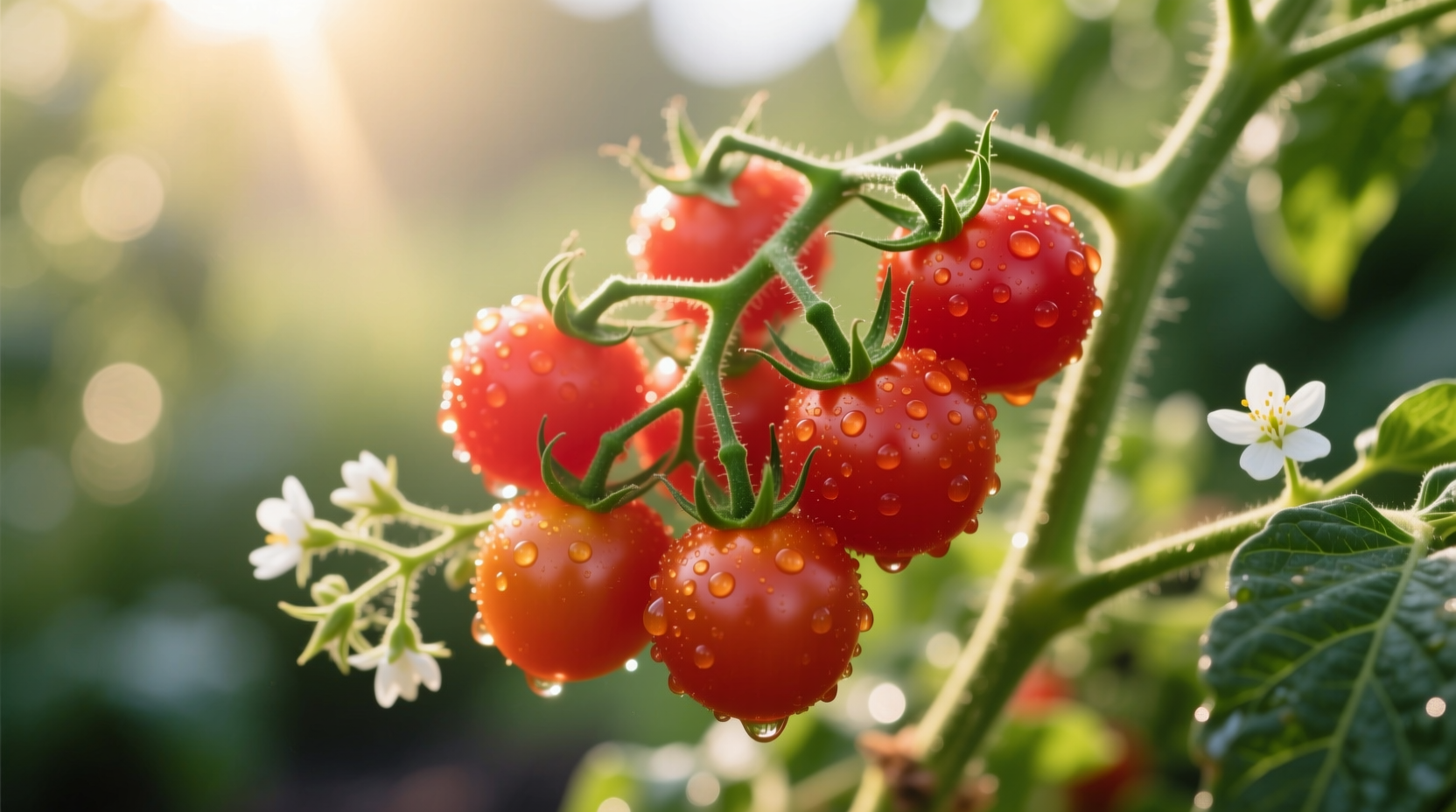
Nothing compares to the burst of sweetness from a sun-warmed cherry tomato picked straight from your garden. Unlike larger tomato varieties, these bite-sized gems offer faster maturity, higher yields, and remarkable adaptability for gardeners with limited space. Whether you're cultivating them in backyard plots, balcony containers, or community garden beds, cherry tomatoes deliver gardening satisfaction with relatively minimal effort.
Planning Your Cherry Tomato Success
Successful cherry tomato growing begins with strategic planning. These compact plants produce abundant harvests but require specific conditions to reach their potential. Unlike standard tomatoes, cherry varieties typically mature faster and continue producing throughout the season with proper care.
| Variety | Days to Maturity | Best For | Unique Characteristics |
|---|---|---|---|
| Sun Gold | 57-65 | Beginners, containers | Orange color, exceptionally sweet, high disease resistance |
| Black Cherry | 65-70 | Flavor enthusiasts | Deep mahogany color, complex sweet-tart flavor |
| Micro Tom | 60-65 | Indoor growing, small spaces | Dwarf variety (6-8" tall), perfect for windowsills |
| Isis Candy | 60-65 | Cooler climates | Yellow and red marbled fruits, excellent cold tolerance |
According to the University of Minnesota Extension, cherry tomatoes generally produce 10-15 pounds per plant when properly maintained, significantly higher than standard tomato varieties. Their smaller fruit size means they're less prone to cracking and splitting, making them ideal for regions with inconsistent rainfall.
Optimal Planting Timeline for Maximum Harvest
Understanding the cherry tomato growth cycle helps you time your planting for continuous harvests. Unlike larger tomatoes, cherry varieties progress through growth stages more rapidly:
- Weeks 1-2: Seed germination (maintain soil temperature at 70-80°F for best results)
- Weeks 3-6: Seedling development (provide 14-16 hours of light daily)
- Week 7: Transplanting outdoors after hardening off (soil temperature must reach 60°F)
- Weeks 8-10: Vegetative growth (establish strong root system)
- Weeks 11-12: Flowering begins (avoid high-nitrogen fertilizers)
- Weeks 13-15: First harvest (typically 55-70 days after transplanting)
- Weeks 16-24: Peak production (harvest every 2-3 days)
This accelerated timeline, documented by Oregon State University's horticulture program, explains why cherry tomatoes often yield fruit weeks before standard varieties. Their continuous production pattern means you'll enjoy harvests throughout summer and into early fall with proper care.
Soil Preparation: The Foundation for Flavor
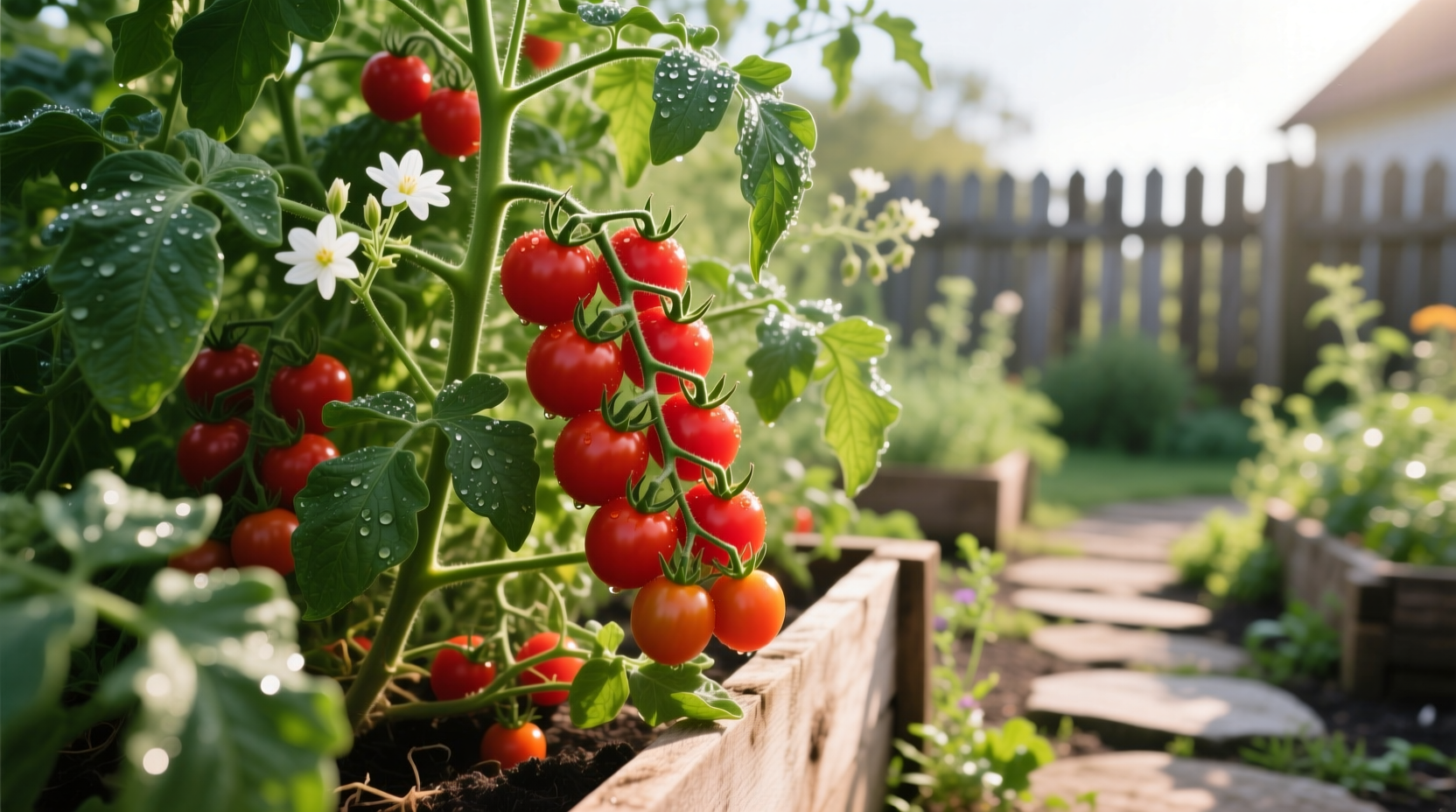
Cherry tomatoes demand well-draining soil rich in organic matter. Before planting, amend your garden bed with 3-4 inches of compost mixed to a depth of 12 inches. The ideal soil pH ranges between 6.2 and 6.8—test your soil and adjust accordingly using lime to raise pH or sulfur to lower it.
For container growing (perfect for small-space cherry tomato cultivation), use a high-quality potting mix rather than garden soil. Add perlite or vermiculite at a 3:1 ratio to improve drainage. Choose containers at least 12 inches in diameter with adequate drainage holes—larger containers (18+ inches) reduce watering frequency and promote healthier root systems.
Watering Wisdom for Sweeter Tomatoes
Consistent moisture is crucial for preventing common issues like blossom end rot and fruit cracking. Water deeply 1-2 times weekly, providing 1-1.5 inches of water each session. The key is maintaining even soil moisture—not too wet, not too dry.
Morning watering prevents fungal diseases by allowing foliage to dry during the day. Use drip irrigation or water at the base of plants to keep leaves dry. During fruit development, slightly reducing water (by about 20%) can intensify sweetness without compromising yield—a technique validated by Penn State's College of Agricultural Sciences.
Sunlight and Support Strategies
Cherry tomatoes require 6-8 hours of direct sunlight daily for optimal production. In extremely hot climates (above 90°F), provide afternoon shade to prevent blossom drop and sunscald.
Unlike larger tomatoes, cherry varieties often benefit from more aggressive support:
- Florida weave: Ideal for garden beds, this technique uses stakes and twine in a figure-eight pattern between plants
- Cages: Use sturdy 5-6 foot cages—standard tomato cages often collapse under cherry tomato production
- Trellising: Vertical systems maximize space in small gardens and improve air circulation
Pruning differs from standard tomatoes—cherry varieties typically produce better yields with minimal pruning. Remove only the lowest leaves that touch soil and any diseased foliage. Over-pruning can reduce your harvest significantly.
Organic Pest and Disease Management
Cherry tomatoes face similar threats as standard varieties but their dense growth habit can increase disease risk. Implement these organic prevention strategies:
- Rotate crops annually—don't plant tomatoes in the same spot more than once every 3 years
- Space plants 24-36 inches apart for proper air circulation
- Apply mulch (straw or wood chips) to prevent soil splash
- Inspect plants weekly for early signs of trouble
Common issues and natural solutions:
- Aphids: Spray with strong water jet or use insecticidal soap
- Hornworms: Hand-pick or introduce beneficial wasps
- Blight: Remove affected leaves immediately; apply copper fungicide
- Blossom end rot: Maintain consistent watering; ensure adequate calcium
Harvesting for Peak Flavor and Continuous Production
Harvest cherry tomatoes when they've reached full color and feel slightly soft when gently squeezed. Unlike larger tomatoes, they don't continue ripening significantly after picking, so harvest at peak ripeness.
The secret to maximizing your harvest: pick regularly. When you harvest ripe fruits every 2-3 days, the plant produces more flowers and subsequent fruit. Use small scissors or pinch fruits gently to avoid damaging the delicate stems.
Store harvested tomatoes at room temperature away from direct sunlight. Refrigeration diminishes flavor and texture—only refrigerate if you must extend shelf life beyond 3-4 days.
Troubleshooting Common Cherry Tomato Challenges
Even experienced gardeners encounter issues. Here's how to solve frequent cherry tomato growing problems:
- Poor fruit set: Ensure adequate pollination by gently shaking plants during flowering or introducing pollinators
- Cracking fruits: Maintain consistent watering—avoid letting soil dry completely between waterings
- Yellowing leaves: Could indicate nutrient deficiency (nitrogen) or overwatering—test soil before amending
- Small fruits: May result from overcrowding, insufficient sunlight, or nutrient imbalance
Remember that cherry tomatoes naturally produce smaller fruits than standard varieties—their size is a feature, not a problem! Focus on flavor and quantity rather than fruit size.
Extending Your Cherry Tomato Season
You can enjoy homegrown cherry tomatoes well beyond summer with these techniques:
- Start a second planting in mid-summer for fall harvest
- Use row covers to protect plants from early fall frosts
- Grow determinate varieties for concentrated harvests you can preserve
- Bring container plants indoors before first frost
With proper planning, you can enjoy fresh cherry tomatoes from early summer through late fall in most growing zones.
Frequently Asked Questions
How often should I water cherry tomato plants?
Water deeply 1-2 times weekly, providing 1-1.5 inches of water each session. Container plants may need daily watering during hot weather. The key is maintaining consistent soil moisture—allow the top inch of soil to dry slightly between waterings, but never let plants wilt. Morning watering prevents fungal diseases by allowing foliage to dry during the day.
Do cherry tomatoes need pruning like regular tomatoes?
Cherry tomatoes generally require less pruning than standard varieties. Remove only the lowest leaves that touch soil and any diseased or damaged foliage. Over-pruning can reduce your harvest significantly since cherry tomatoes produce flowers and fruit along their entire stems. Unlike larger tomatoes, they typically don't need suckers removed for optimal production.
Why are my cherry tomatoes cracking?
Cracking usually occurs due to inconsistent watering—when plants experience drought followed by heavy watering or rain. The rapid uptake of water causes the fruit to expand faster than the skin can stretch. Prevent cracking by maintaining even soil moisture throughout the growing season, especially during fruit development. Mulching helps regulate soil moisture levels and reduces cracking.
How can I grow cherry tomatoes in containers successfully?
Choose containers at least 12 inches in diameter (larger is better), use high-quality potting mix with added perlite, and place in a location receiving 6-8 hours of sunlight. Water when the top inch of soil feels dry, and fertilize every 2-3 weeks with a balanced organic fertilizer. Dwarf varieties like Micro Tom work exceptionally well in containers. Ensure containers have adequate drainage holes to prevent root rot.
When is the best time to harvest cherry tomatoes?
Harvest when fruits have reached full color and feel slightly soft when gently squeezed. Unlike larger tomatoes, cherry tomatoes don't continue ripening significantly after picking, so harvest at peak ripeness. The best time to pick is early morning when temperatures are cool. Harvest every 2-3 days to encourage continuous production throughout the season.




 浙公网安备
33010002000092号
浙公网安备
33010002000092号 浙B2-20120091-4