
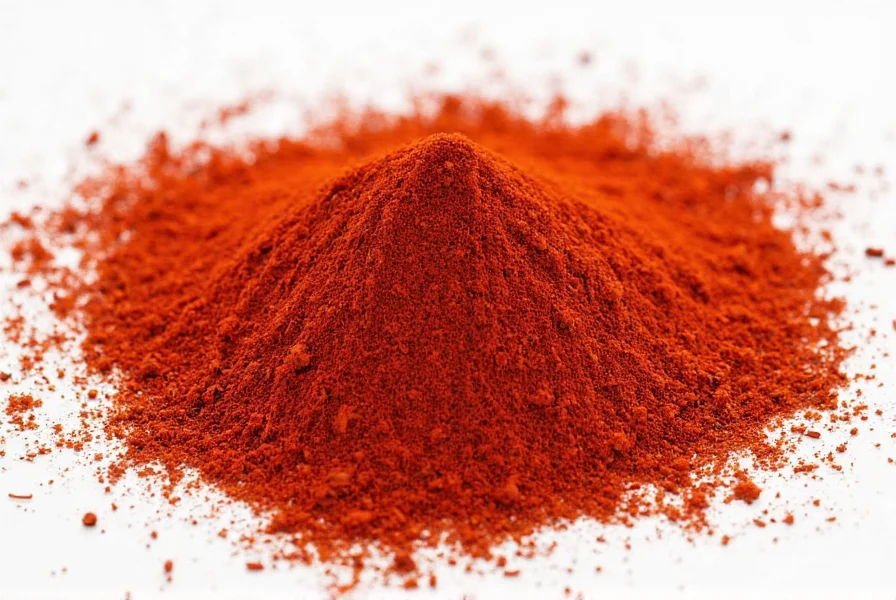
For centuries, pepper has been more than just a kitchen staple—it's been valued for its medicinal properties across various traditional healing systems. Modern science is now validating many of these historical uses, revealing that this common spice packs a surprising nutritional punch. Understanding the specific health advantages of different pepper varieties can help you make informed choices about incorporating this spice into your daily diet.
Understanding Different Pepper Varieties and Their Unique Properties
While "pepper" commonly refers to black pepper (Piper nigrum), several varieties exist with distinct chemical profiles and health implications:
| Pepper Type | Key Characteristics | Piperine Content | Primary Health Applications |
|---|---|---|---|
| Black Pepper | Dried unripe fruit, strongest flavor | 5-9% | Nutrient absorption, digestion, inflammation |
| White Pepper | Ripe fruit with outer layer removed | 3-6% | Digestive support, milder applications |
| Green Pepper | Unripe fruit, preserved | 4-7% | Antioxidant properties, culinary use |
| Cayenne Pepper | From chili family (Capsicum), not true pepper | 0% (contains capsaicin instead) | Pain relief, circulation, metabolism |
The Science Behind Pepper's Health-Promoting Compounds
Black pepper's primary bioactive compound, piperine, accounts for most of its health benefits. This alkaloid gives pepper its characteristic pungency while delivering significant physiological effects. Research published in the Journal of Agricultural and Food Chemistry demonstrates that piperine enhances the bioavailability of various nutrients and medications by inhibiting certain digestive enzymes and increasing intestinal absorption.
Pepper also contains notable amounts of:
- Vitamin K (important for blood clotting and bone health)
- Manganese (supports metabolism and bone formation)
- Iron (essential for oxygen transport)
- Antioxidants that combat oxidative stress
Five Evidence-Based Health Benefits of Pepper Spice
1. Enhanced Nutrient Absorption
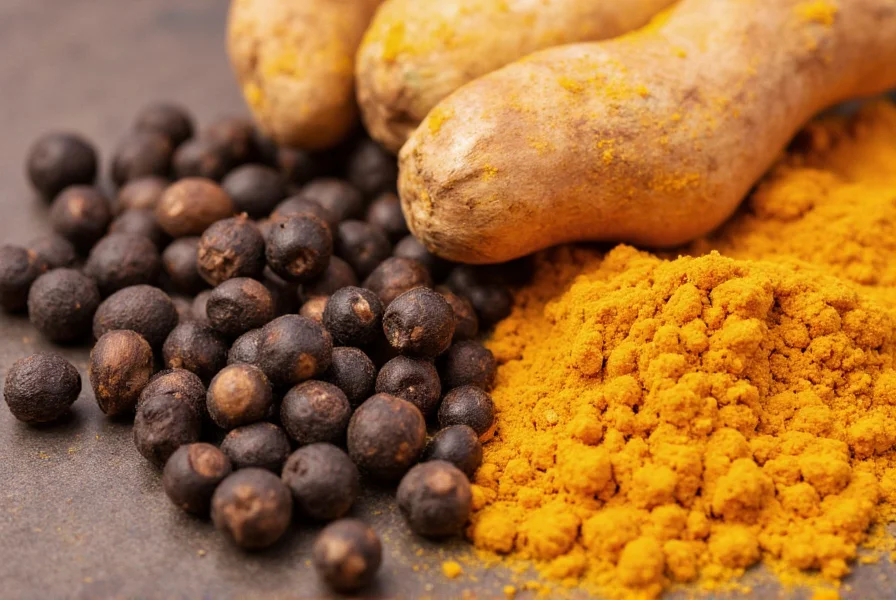
Perhaps pepper's most well-documented benefit is its ability to significantly increase the absorption of other nutrients. Studies show that piperine can boost curcumin absorption from turmeric by up to 2,000%. This synergistic effect explains why traditional Ayurvedic medicine often combines these spices. The mechanism involves piperine inhibiting enzymes that break down compounds in the digestive tract and liver, allowing more nutrients to enter the bloodstream.
2. Anti-Inflammatory Properties
Chronic inflammation underlies many modern diseases, and pepper shows promising anti-inflammatory effects. Research in Phytotherapy Research indicates that piperine suppresses inflammatory pathways by inhibiting key enzymes like COX-2 and reducing inflammatory cytokines. These effects may help manage conditions like arthritis, though more human clinical trials are needed to establish specific therapeutic applications.
3. Digestive Health Support
Pepper stimulates the production of hydrochloric acid in the stomach, which improves digestion and prevents issues like bloating and gas. Traditional medicine systems have long used pepper to treat digestive disorders. A study in the Journal of Medicinal Food found that piperine enhances digestive enzyme activity, particularly for breaking down proteins and fats, potentially reducing digestive discomfort after meals.
4. Antioxidant Protection
Pepper contains various antioxidants that combat free radical damage. These compounds help protect cells from oxidative stress, which contributes to aging and chronic diseases. Research published in Oxidative Medicine and Cellular Longevity demonstrates that piperine's antioxidant properties may protect against cellular damage in various organ systems, potentially reducing the risk of certain chronic conditions.
5. Metabolic and Weight Management Effects
Emerging research suggests pepper may support healthy metabolism. Animal studies indicate that piperine might prevent the formation of new fat cells and improve lipid metabolism. While human studies are limited, the thermogenic properties of piperine suggest it could modestly increase calorie expenditure. However, pepper should be viewed as a complementary component of a healthy lifestyle rather than a standalone weight loss solution.
Research Evolution: Key Milestones in Piperine Science
The scientific understanding of piperine has evolved through distinct phases, reflecting growing methodological rigor and clinical relevance:
- 1970s-1980s: Initial phytochemical identification of piperine as black pepper's primary bioactive compound through research at institutions like India's Central Food Technological Research Institute.
- 1998: Landmark human trial published in Planta Medica quantified piperine's bioenhancement effect, demonstrating 2,000% increased curcumin absorption—a finding that established modern research frameworks (Shoba et al., 1998).
- 2005-2015: Mechanistic studies expanded understanding of piperine's anti-inflammatory pathways, with NIH-funded research confirming COX-2 inhibition in cellular models (Meghwal & Goswami, 2015).
- 2016-Present: Focus shifted to human applicability, with randomized controlled trials investigating piperine's effects on metabolic biomarkers. However, the European Food Safety Authority maintains that therapeutic claims require stronger human evidence beyond current dietary-level observations.
Understanding Context Boundaries for Pepper Benefits
Pepper's health effects operate within specific physiological and demographic constraints that determine real-world applicability:
- Nutrient-Specific Enhancement: Piperine significantly boosts absorption of fat-soluble compounds (curcumin, beta-carotene) but shows minimal effect on water-soluble nutrients like vitamin C. A 2016 NIH-supported study confirmed this selectivity through pharmacokinetic analysis in human subjects (Vogelsang et al., 2016).
- Gastrointestinal Sensitivity: Benefits for digestion apply primarily to individuals with normal gastric function. Those with active peptic ulcers or inflammatory bowel disease may experience irritation, as documented in clinical observations by the European Medicines Agency.
- Dose-Response Threshold: Bioavailability enhancement occurs at culinary doses (≥20mg piperine), but metabolic effects require higher concentrations (5-20mg supplements) that risk drug interactions. The European Food Safety Authority notes this narrow therapeutic window limits standalone therapeutic applications.
- Population Variability: Anti-inflammatory effects observed in cellular studies haven't consistently translated to clinical arthritis improvement in human trials, particularly among elderly populations with comorbid conditions per Cochrane review analyses.
Practical Applications: Incorporating Pepper for Health Benefits
To maximize pepper's health benefits in your daily routine:
- Combine with turmeric: Add black pepper to any turmeric-containing dish or supplement to enhance absorption
- Freshly grind: Whole peppercorns retain piperine better than pre-ground pepper
- Pair with healthy fats: Piperine is fat-soluble, so consume with olive oil, avocado, or nuts
- Moderate consumption: 1-2 grams (about 1/4 to 1/2 teaspoon) daily provides benefits without potential side effects
Safety Considerations and Potential Interactions
While generally safe as a culinary spice, pepper may interact with certain medications due to its effects on drug metabolism. People taking blood thinners, antidepressants, or certain chemotherapy drugs should consult their healthcare provider before consuming pepper in medicinal amounts. Excessive consumption (more than 1-2 teaspoons daily) may cause gastrointestinal discomfort in sensitive individuals.
The European Food Safety Authority considers piperine safe at dietary levels, but concentrated supplements require more caution. Pregnant women should stick to culinary amounts rather than high-dose supplements, as research on safety during pregnancy is limited.
Pepper in Context: Realistic Expectations for Health Benefits
While pepper offers notable health advantages, it's essential to maintain realistic expectations. This spice works best as part of a balanced diet rich in various whole foods rather than as a miracle cure. The benefits accumulate through consistent, moderate consumption over time rather than providing immediate dramatic effects. Think of pepper as a valuable supporting player in your nutritional strategy rather than a standalone solution for health concerns.




 浙公网安备
33010002000092号
浙公网安备
33010002000092号 浙B2-20120091-4