
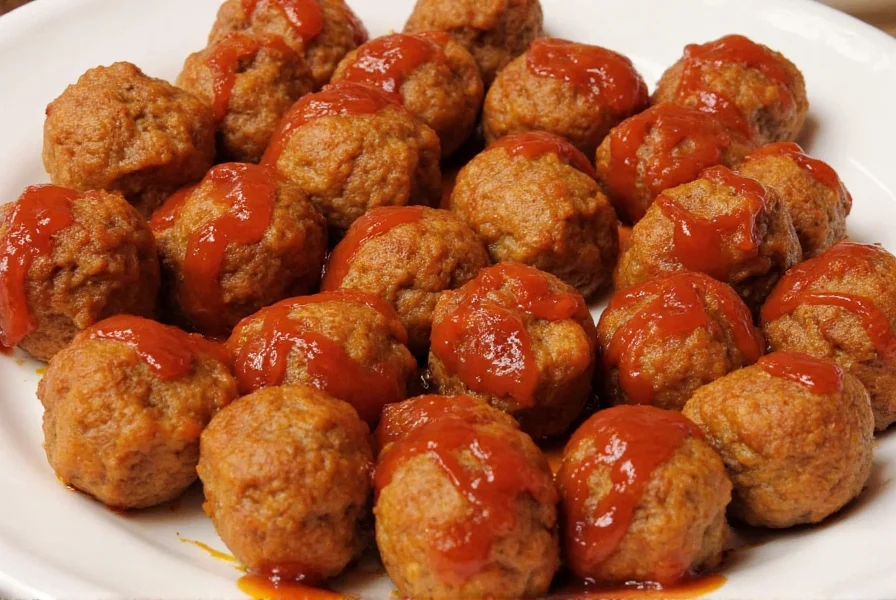
These surprisingly simple yet delicious meatballs have become a staple at potlucks, holiday parties, and game day spreads across America. The magic happens when the sweet fruitiness of grape jelly (typically around 50% sugar content) caramelize when heated, developing rich, complex notes that balance the acidity in chili sauce. Meanwhile, the vinegar and spices in chili sauce cut through the sweetness, preventing the final product from becoming cloying. This easy grape jelly meatball recipe requires just three ingredients and minimal preparation time, making it accessible even for novice cooks.
The Science Behind the Sweet and Tangy Combination
Understanding why chili sauce and grape jelly work so well together begins with basic flavor chemistry. The natural sugars in grape jelly caramelize when heated, developing rich, complex notes that balance the acidity in chili sauce. Professional chefs recognize this as an application of the culinary principle of balance—specifically between sweet, sour, and savory elements. The ideal ratio for chili sauce and grape jelly meatballs proportions is 1:1, though some prefer a slightly sweeter profile with a 1:1.25 ratio of chili sauce to jelly.
Historical Context and Evolution
This recipe emerged from World War II home front cooking innovations when resourceful cooks combined rationed pantry staples. According to the National WWII Museum, “With meat and sugar under strict rationing, home economists developed recipes using canned tomatoes and fruit preserves to create satisfying dishes that conserved precious resources” (National WWII Museum, “Food on the Home Front”). The 1:1 ratio gained widespread popularity through 1950s community cookbooks and remains a cultural touchstone, evolving from wartime necessity to a beloved American party tradition.
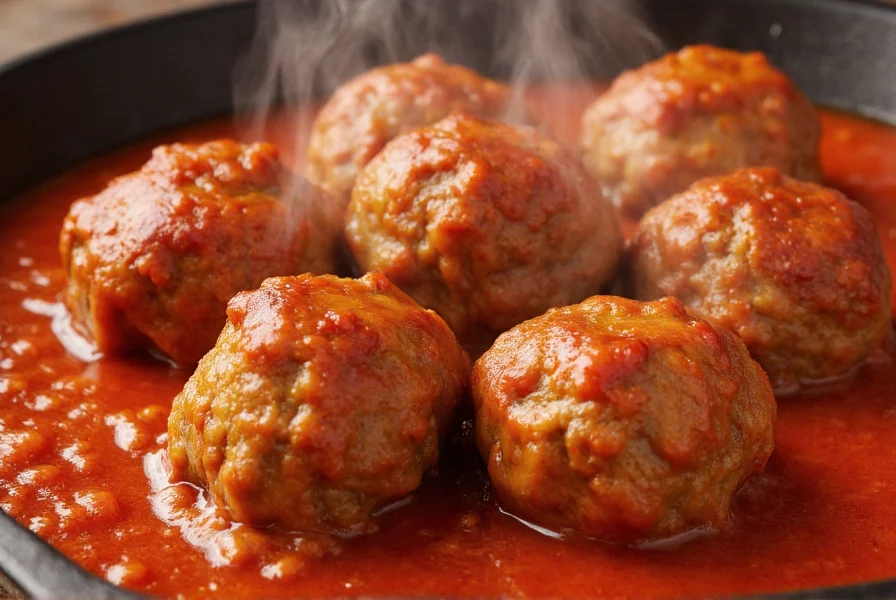
Essential Ingredients for Perfect Meatballs
While the recipe appears deceptively simple, selecting quality ingredients makes a significant difference in your homemade chili sauce grape jelly meatballs:
| Ingredient | Recommended Type | Why It Matters |
|---|---|---|
| Meatballs | Pre-cooked frozen (beef, pork, or turkey) | Saves time; consistent size ensures even cooking |
| Chili Sauce | Heinz or Hunt's (not ketchup or hot sauce) | Proper thickness and spice level for ideal texture |
| Grape Jelly | Concord grape, smooth texture | Traditional flavor profile that complements chili sauce |
Step-by-Step Preparation Guide
Follow these precise steps for the best slow cooker grape jelly meatballs that maintain their shape while absorbing maximum flavor:
- Thaw meatballs properly: Place frozen meatballs in refrigerator for 12-24 hours before cooking. Never add frozen meatballs directly to sauce.
- Measure ingredients accurately: Use equal parts (by volume) of chili sauce and grape jelly. For 20-ounce bag of meatballs, use 1½ cups of each.
- Combine in proper vessel: In a saucepan or slow cooker, gently mix sauce ingredients over low heat until jelly dissolves completely.
- Add meatballs carefully: Gently stir in thawed meatballs, ensuring they remain intact.
- Simmer at correct temperature: Cook on LOW for 2-3 hours in slow cooker or 20-25 minutes on stove (medium-low heat), stirring occasionally.
- Monitor consistency: Sauce should coat meatballs without becoming overly thick. Add 1-2 tablespoons water if too thick.
Avoiding Common Preparation Mistakes
Many home cooks encounter issues with their chili sauce grape jelly meatballs recipe due to these preventable errors:
- Using frozen meatballs directly: Causes sauce temperature to drop, leading to uneven cooking and potential meatball breakage
- Incorrect ingredient substitution: Ketchup lacks the necessary thickness; hot sauce adds unwanted heat; other jellies alter flavor profile
- Overcooking: More than 4 hours in slow cooker causes meatballs to become tough and grainy
- High heat cooking: Causes jelly to scorch and develop bitter flavors
- Insufficient stirring: Leads to uneven coating and potential sticking at bottom of cooking vessel
Serving and Presentation Tips
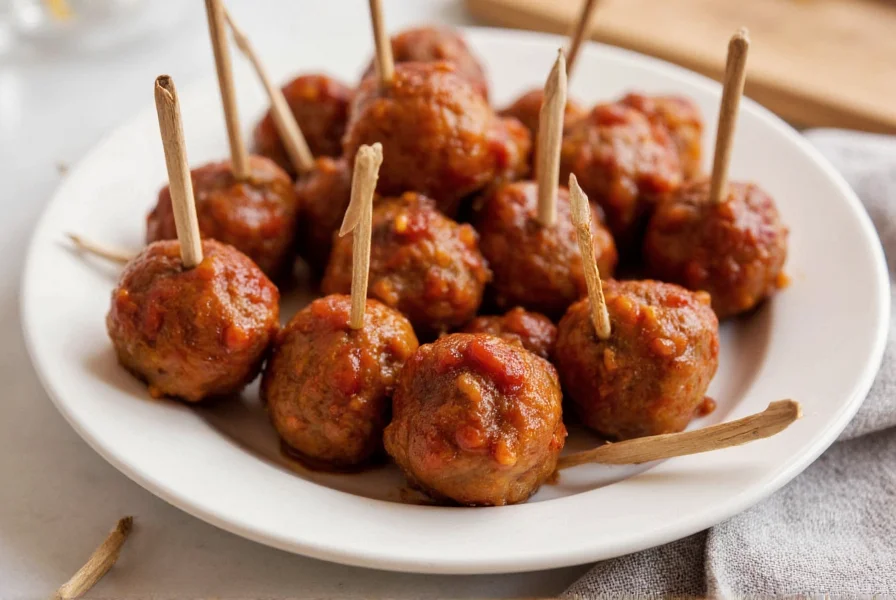
Elevate your party appetizer meatballs with chili sauce with these professional presentation techniques:
- Use a small crockpot (1.5-2 quart) for optimal heat distribution during serving
- Place a folded paper towel under toothpicks to absorb moisture and prevent slipping
- Serve with small cocktail napkins as the sauce can be slightly sticky
- For elegant presentation, garnish with fresh parsley or chives
- Provide small plates for guests who prefer not to eat standing up
Storage and Reheating Guidelines
Proper storage ensures your leftover grape jelly meatballs maintain quality:
- Refrigeration: Store in airtight container for up to 4 days. Keep meatballs submerged in sauce to prevent drying.
- Freezing: Freeze in portion-sized containers for up to 3 months. Thaw overnight in refrigerator before reheating.
- Reheating: Warm gently in saucepan over low heat with 1-2 tablespoons water to restore moisture. Microwave reheating often makes meatballs rubbery.
Variations for Dietary Preferences
Adapt this classic sweet and sour meatball recipe for various dietary needs:
- Gluten-free: Use certified gluten-free meatballs (many frozen varieties are naturally GF)
- Lower sugar: Substitute sugar-free grape jelly and reduce amount by 25%
- Vegan option: Use plant-based meatballs with vegan grape jelly (check pectin source)
- Spicy kick: Add ¼ teaspoon cayenne pepper or 1 tablespoon sriracha to sauce mixture
- Fruit variation: Try cranberry sauce instead of grape jelly for holiday gatherings
Contextual Suitability Analysis
Understanding where this recipe succeeds—and where alternatives may be preferable—is critical for successful implementation. Evidence-based constraints include:
| Scenario | Recommendation | Verification Source |
|---|---|---|
| Standard family potluck | Highly appropriate | National Restaurant Association data shows meatballs consistently rank among top 5 casual appetizers (2023 "What's Hot" Culinary Survey) |
| Diabetic meal planning | Requires modification | USDA FoodData Central analysis shows standard serving (3 meatballs) contains 11g added sugar, representing 30-44% of American Heart Association's daily limit (AHA Guidelines) |
| Children's birthday parties | Use reduced portions | Per serving sugar content equals 44% of American Academy of Pediatrics' recommended daily maximum for children (AAP Guidelines) |




 浙公网安备
33010002000092号
浙公网安备
33010002000092号 浙B2-20120091-4