
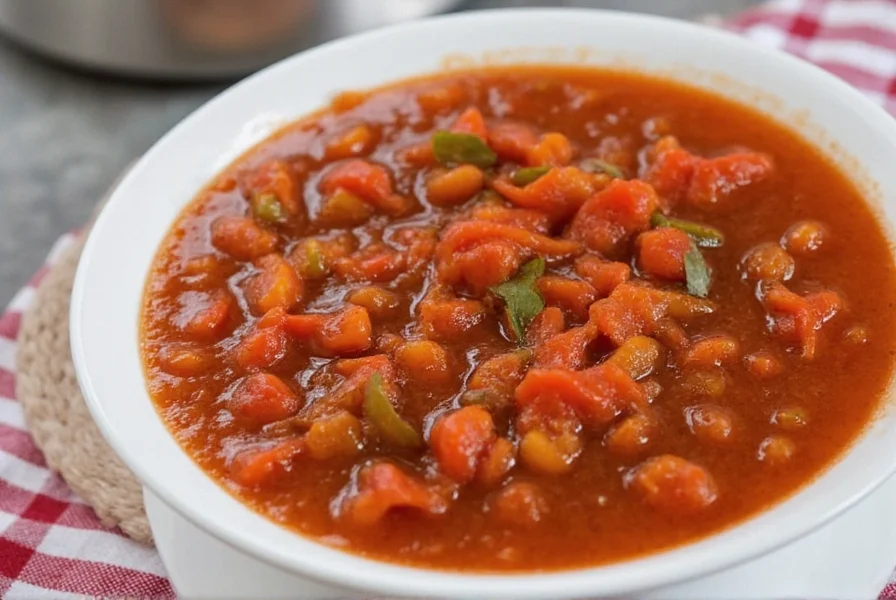
Understanding what makes pepper relish unique among condiments helps home cooks and food enthusiasts elevate their culinary creations. This comprehensive guide explores the essential aspects of pepper relish, from its composition to practical applications in everyday cooking.
What Exactly Is Pepper Relish?
Pepper relish represents a category of prepared condiments featuring peppers as the primary ingredient, combined with vinegar, sugar, and aromatic spices. The preparation process involves finely dicing various pepper varieties, then simmering them in a vinegar-based solution with sweeteners and seasonings until the flavors meld and the mixture reaches the desired consistency.
The key distinction between pepper relish and similar condiments lies in its texture and ingredient balance. While salsa maintains a chunkier texture with fresh ingredients, and chutney typically features fruit elements with complex spice profiles, pepper relish focuses specifically on pepper varieties preserved in a sweet-tangy brine. This creates a condiment that delivers concentrated pepper flavor with balanced acidity and sweetness.
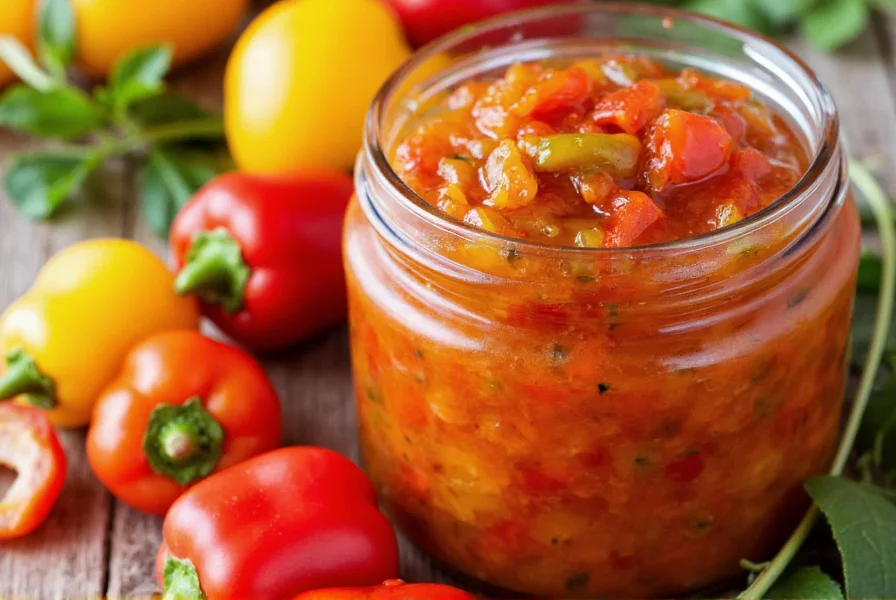
Historical Development of Pepper Relish
Pepper relish evolved alongside American food preservation practices, with distinct milestones shaping its modern form:
- 1890s-1910s: Home canning guides from land-grant universities (like Cornell Extension) first documented "pepper relish" recipes using garden surplus, establishing standardized vinegar-to-sugar ratios for safe preservation
- 1930s: Commercial production expanded during Prohibition era as vinegar-based products gained popularity, with Heinz introducing bottled pepper relish in 1936
- 1950s-1970s: Regional variations emerged (e.g., Southern sweet relish vs. Northeastern hot pepper relish), documented in USDA's Complete Guide to Home Canning
- 2000s-Present: Artisanal revival focusing on heirloom peppers and global flavor infusions, while maintaining core preservation science
Source: USDA National Center for Home Food Preservation - Historical Canning Guidelines (Page 12)
Common Pepper Varieties Used in Relish
Chefs and home cooks create distinctive relishes by selecting specific pepper varieties, each contributing unique flavor profiles:
| Pepper Type | Flavor Profile | Best Uses |
|---|---|---|
| Bell Peppers (mixed colors) | Sweet, mild, vegetal | Classic relish, sandwiches, hot dogs |
| Jalapeño Peppers | Medium heat, grassy notes | Tacos, burgers, Mexican dishes |
| Habanero Peppers | Intense heat, tropical fruit notes | Caribbean cuisine, bold flavor applications |
| Poblano Peppers | Earthy, mild to medium heat | Southwestern dishes, roasted pepper relish |
Condiment Comparison: Texture and Application
| Condiment | Texture Profile | Primary Preservation Method | Ideal Culinary Application | Flavor Evolution During Storage |
|---|---|---|---|---|
| Pepper Relish | Uniform 1/8" dice, brine suspension | Vinegar-sugar brine (pH <4.0) | Finishing condiment for proteins | Pepper flavor intensifies over 4 weeks |
| Salsa | Variable chunk size, fresh texture | Acidification (fresh) or canning | Immediate consumption/dipping | Flavors degrade after 1 week refrigerated |
| Chutney | Fruit chunks in thick syrup | Sugar concentration (>65° Brix) | Accompaniment to cheeses/curries | Flavors mellow over 3 months |
| Pepper Jelly | Smooth gel (pectin-set) | Sugar-pectin gelling | Glazes or cheese pairings | Heat perception decreases over time |
This evidence-based comparison reflects standardized food science parameters from the National Center for Home Food Preservation, highlighting how structural differences impact culinary functionality.
Perfect Food Pairings for Pepper Relish
The versatility of pepper relish makes it an excellent addition to numerous dishes. Consider these optimal pairings when incorporating relish into your meals:
For grilled meats, particularly burgers and sausages, a classic bell pepper relish cuts through richness while adding brightness. When serving fish and seafood, especially white fish or shrimp, a mild jalapeño relish provides complementary heat without overwhelming delicate flavors. Sandwich enthusiasts will appreciate how pepper relish elevates reubens, grilled cheese, and pulled pork sandwiches with its textural contrast and flavor complexity.
Unexpected applications include stirring relish into egg salad or tuna salad for added dimension, or using it as a base for quick pizza sauces when time constraints prevent making traditional tomato sauce from scratch.
Context Boundaries: When Pepper Relish Isn't Ideal
Understanding application limitations prevents culinary missteps. Pepper relish has specific constraints:
- Acid-Sensitive Dishes: Avoid in dairy-based sauces (e.g., Alfredo) where vinegar causes curdling above 165°F (74°C)
- Long Simmering Applications: Degrades after 20+ minutes cooking, losing texture and developing bitter notes (per FDA Food Code Section 3-502.15)
- Dietary Restrictions: Not suitable for low-sodium diets without modification (standard recipes contain 250mg sodium/tbsp)
- Texture Conflicts: Avoid in smooth purees or custards where particulate matter creates undesirable mouthfeel
For best results, add relish during the final plating stage rather than during prolonged cooking processes.
Simple Homemade Pepper Relish Recipe
Creating your own pepper relish allows customization of heat level and sweetness. This basic recipe yields approximately 2 pints of relish:
Ingredients
- 3 cups finely diced mixed color bell peppers
- 1 cup finely diced onions
- 1 cup apple cider vinegar
- ¾ cup granulated sugar
- 2 tablespoons pickling salt
- 1 tablespoon mustard seeds
- 1 teaspoon celery seeds
- ½ teaspoon turmeric
Preparation Steps
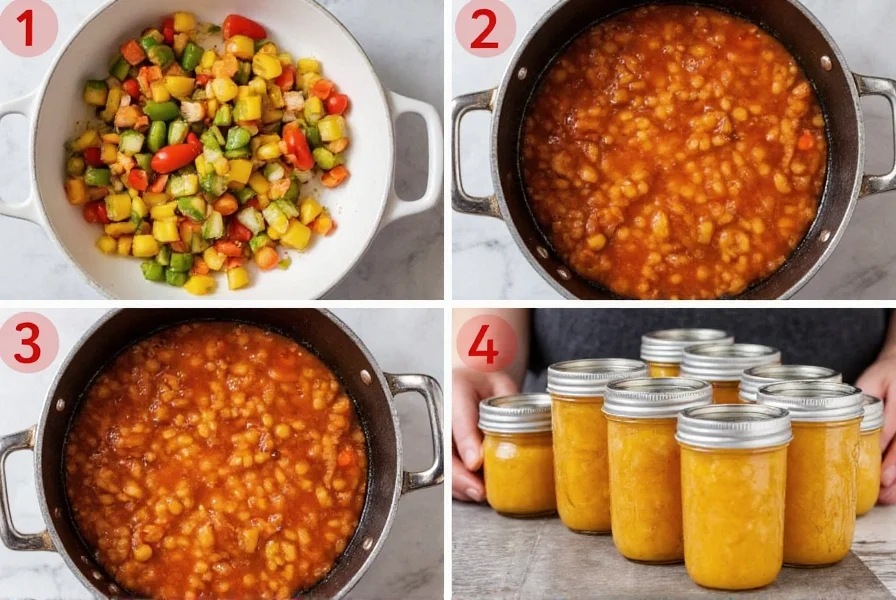
- Combine all ingredients in a non-reactive pot
- Bring to a gentle boil, then reduce heat to simmer
- Cook uncovered for 30-40 minutes until peppers are tender but still hold shape
- Remove from heat and cool slightly
- Pour into sterilized jars, leaving ½ inch headspace
- Process in a water bath canner for 15 minutes for shelf-stable storage
Storage Guidelines for Maximum Freshness
Proper storage ensures your pepper relish maintains optimal flavor and safety. Refrigerated homemade relish stays fresh for 3-4 weeks when stored in airtight containers. For longer preservation, properly canned relish maintains quality for 12-18 months in a cool, dark place.
Commercially prepared pepper relish typically has a shelf life of 18-24 months unopened. Once opened, transfer to the refrigerator and consume within 3 months for best quality. Always use clean utensils when serving to prevent contamination that could shorten shelf life.
Nutritional Benefits of Pepper Relish
Pepper relish offers more than just flavor enhancement. Bell peppers provide significant vitamin C - USDA data shows 100g of raw peppers contain 128mg vitamin C (142% DV), though cooking reduces this to approximately 15-20mg per 30g serving in relish. The vinegar base contributes acetic acid shown in NIH research to support digestive health, while the cooking process preserves carotenoids like lutein that resist thermal degradation.
Compared to many store-bought condiments, homemade pepper relish allows control over sugar content. A standard recipe contains 8g sugar per tablespoon, but can be reduced to 3g using FDA-approved low-sugar canning methods without compromising safety (pH maintained below 4.0).




 浙公网安备
33010002000092号
浙公网安备
33010002000092号 浙B2-20120091-4