
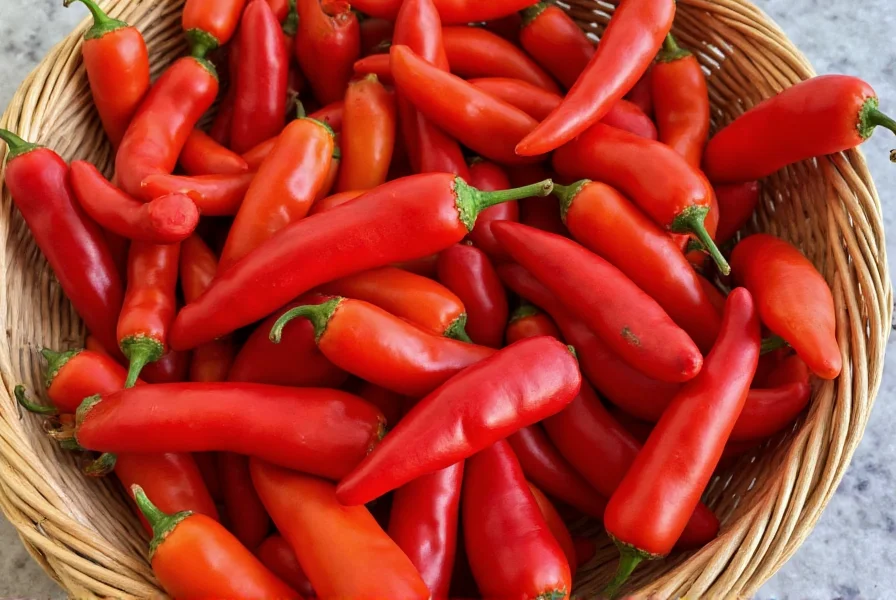
Cayenne pepper isn't just a kitchen staple for heat lovers—it's a nutritional powerhouse with science-backed benefits that extend far beyond adding spice to your meals. Understanding this remarkable pepper can transform how you approach both cooking and wellness.
What Exactly Is Cayenne Pepper?
Cayenne pepper belongs to the Capsicum annuum species, which includes many common chili peppers. Despite its name, cayenne originates from French Guiana, not the Cayenne region. The confusion stems from early European explorers who misidentified its origin. True cayenne peppers measure between 30,000-50,000 Scoville Heat Units (SHU), placing them firmly in the hot pepper category but below extreme varieties like ghost peppers.
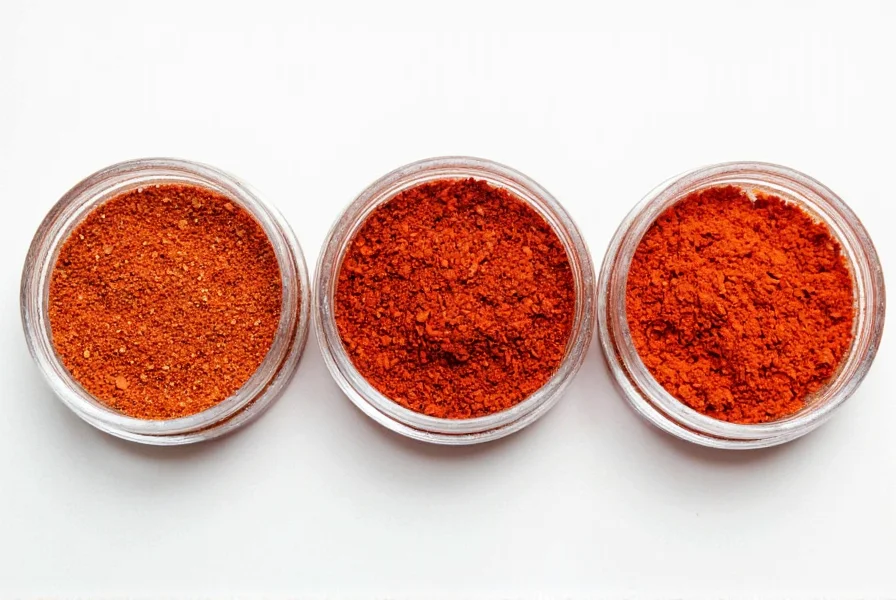
When dried and ground, cayenne becomes the familiar red spice found in most kitchens. Its heat comes primarily from capsaicin, the compound responsible for both its burning sensation and many of its health-promoting properties.
| Pepper Type | Scoville Heat Units | Primary Use |
|---|---|---|
| Cayenne Pepper | 30,000-50,000 SHU | Culinary spice, medicinal applications |
| Jalapeño | 2,500-8,000 SHU | Fresh cooking, salsas |
| Habanero | 100,000-350,000 SHU | Extreme heat applications |
| Black Pepper | 0 SHU (non-chili) | General seasoning |
Historical Evolution and Scientific Validation
While cayenne pepper has been used for centuries in traditional medicine, modern research has systematically validated its applications. Below is the evidence-based evolution of its therapeutic recognition:
| Time Period | Key Development | Scientific Validation Source |
|---|---|---|
| Pre-1500s | Indigenous Mesoamerican cultures used cayenne for wound treatment and digestive aid | National Center for Biotechnology Information (Ethnobotanical Study) |
| 1816 | Capsaicin first isolated by John Clough Adams, identifying the heat compound | Royal Society of Chemistry Historical Archives |
| 1984 | FDA approved topical capsaicin (0.025%) for post-herpetic neuralgia treatment | U.S. Food and Drug Administration Approval Records |
| 2010-Present | NIH-funded trials confirm metabolic and cardiovascular benefits at dietary-relevant doses | National Institutes of Health Clinical Trial Registry |
Nutritional Profile and Key Compounds
One teaspoon (2 grams) of cayenne pepper contains:
- Nearly your entire daily vitamin A requirement (44% DV)
- Significant vitamin C (8% DV)
- B vitamins including B6 (6% DV)
- Manganese (5% DV)
- Only 6 calories
The star compound in cayenne pepper is capsaicin, which makes up about 12% of dried cayenne. This alkaloid is responsible for the burning sensation but also drives many health benefits. Other important compounds include dihydrocapsaicin and nordihydrocapsaicin, which contribute to the overall heat profile and potential health effects.
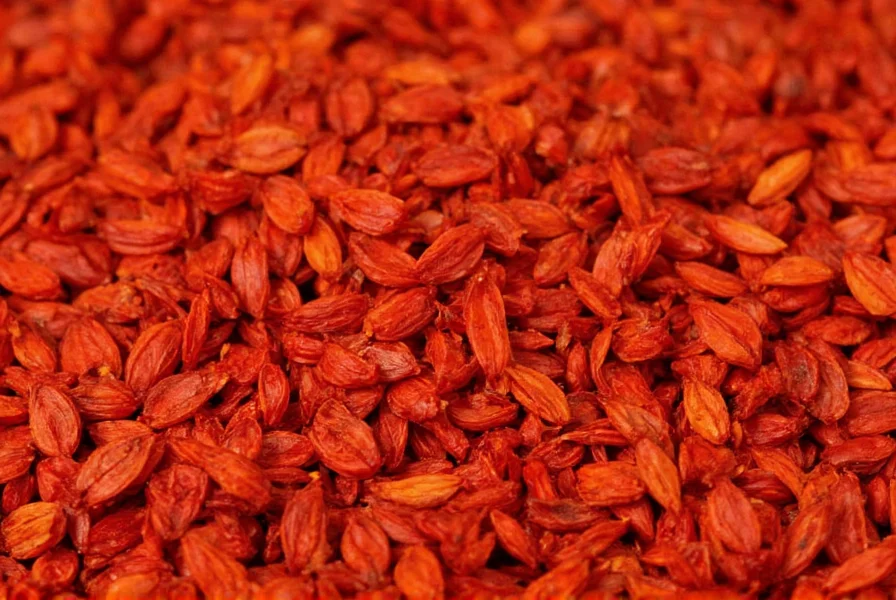
Science-Backed Health Benefits of Cayenne Pepper
Research supports several health benefits associated with regular cayenne pepper consumption:
Pain Relief and Inflammation Reduction
Capsaicin works by depleting substance P, a neuropeptide that transmits pain signals. Topical capsaicin creams are FDA-approved for treating pain from conditions like osteoarthritis and neuropathy. Regular dietary consumption may also help reduce systemic inflammation.
Metabolic Boost and Weight Management
Studies show cayenne pepper can increase thermogenesis (calorie burning) by up to 25% for several hours after consumption. The Journal of Nutritional Science and Vitaminology found that capsaicin consumption reduced appetite and calorie intake at subsequent meals, particularly for fatty and sweet foods.
Cardiovascular Support
Regular consumption of cayenne pepper may improve circulation and reduce blood pressure. Research published in the journal Circulation suggests capsaicin activates receptors that help relax blood vessels, potentially reducing cardiovascular risk factors.
Digestive Health Enhancement
Contrary to popular belief, moderate cayenne consumption can actually protect the stomach lining. Studies indicate it may help prevent and heal ulcers by stimulating mucus production and reducing stomach acid.
Contextual Applicability and Limitations
Research reveals specific conditions where cayenne delivers optimal benefits and important constraints:
- Pain management: Topical capsaicin (0.075% concentration) shows 30-50% pain reduction in osteoarthritis after 4 weeks of consistent use (per NIH Clinical Guidelines), but dietary consumption provides only mild systemic effects. Not effective for acute pain relief.
- Weight management: Metabolic boost occurs primarily in non-habituated users and diminishes after 2-4 weeks of daily use (per American Journal of Clinical Nutrition). Significant weight loss requires combination with calorie restriction.
- Gastrointestinal applications: Beneficial for H. pylori-related ulcers at 30-135mg capsaicin daily (NIH Digestive Disease Study), but contraindicated for active GERD or IBS with diarrhea. Always consult a physician for pre-existing conditions.
Culinary Applications: Beyond Just Heat
Understanding how to use cayenne pepper effectively can transform your cooking. Unlike fresh chilies, ground cayenne provides consistent heat distribution throughout dishes. Consider these applications:
- Balance in sauces: Add 1/8 teaspoon to tomato-based sauces to enhance flavor without overwhelming heat
- Marinades: Combine with citrus and oil for meats—capsaicin helps tenderize proteins
- Savory baking: Incorporate into cornbread or biscuits for subtle warmth
- Breakfast boost: A pinch in scrambled eggs or avocado toast adds complexity
- Sweet applications: Surprisingly effective in chocolate desserts for depth of flavor
When substituting cayenne for fresh chilies, remember that 1/2 teaspoon of ground cayenne equals approximately one medium fresh cayenne pepper. Always add gradually—its heat builds over time.
Cayenne Pepper vs. Similar Spices: Making the Right Choice
Many home cooks confuse cayenne with other red spices. Here's how to distinguish them:
- Cayenne vs. Red Pepper Flakes: Red pepper flakes contain a mix of chili varieties and often include seeds (making them hotter in spots), while cayenne is a consistent powder from specific peppers
- Cayenne vs. Paprika: Paprika ranges from sweet to hot but generally lacks cayenne's intense heat; Hungarian paprika offers earthiness while cayenne provides straightforward heat
- Cayenne vs. Chili Powder: Commercial chili powder is typically a blend containing cumin, garlic powder, and only a small amount of cayenne
Safety Considerations and Proper Usage
While generally safe, cayenne pepper requires some precautions:
- Start with small amounts (1/8-1/4 teaspoon) when cooking to avoid overpowering dishes
- Wear gloves when handling fresh cayenne peppers to prevent skin irritation
- Avoid touching your face after handling cayenne—capsaicin can cause severe eye irritation
- Those with GERD or ulcers should consult a doctor before regular consumption
- Discontinue use if experiencing digestive discomfort
For topical applications, always perform a patch test first. The burning sensation from capsaicin typically diminishes with repeated use as nerve endings become desensitized.
Storage Tips for Maximum Freshness
To preserve cayenne pepper's potency and flavor:
- Store in an airtight container away from light and heat
- Whole dried peppers maintain freshness longer than ground spice (up to 2 years vs 6-12 months)
- Refrigeration extends shelf life but may cause clumping—add a silica packet to prevent this
- Freezing is ideal for long-term storage of whole peppers
- Check freshness by rubbing a small amount between fingers—if little aroma is released, it's time to replace
Conclusion: Incorporating Cayenne Into Your Lifestyle
Cayenne pepper offers a remarkable combination of culinary versatility and health-promoting properties. Whether you're looking to add depth to your cooking or seeking natural ways to support metabolic health, this humble spice delivers significant benefits without requiring major lifestyle changes. Start with small amounts in familiar dishes, pay attention to your body's responses, and gradually explore its many applications. Remember that consistency matters more than quantity when it comes to reaping the health benefits of cayenne pepper.




 浙公网安备
33010002000092号
浙公网安备
33010002000092号 浙B2-20120091-4