
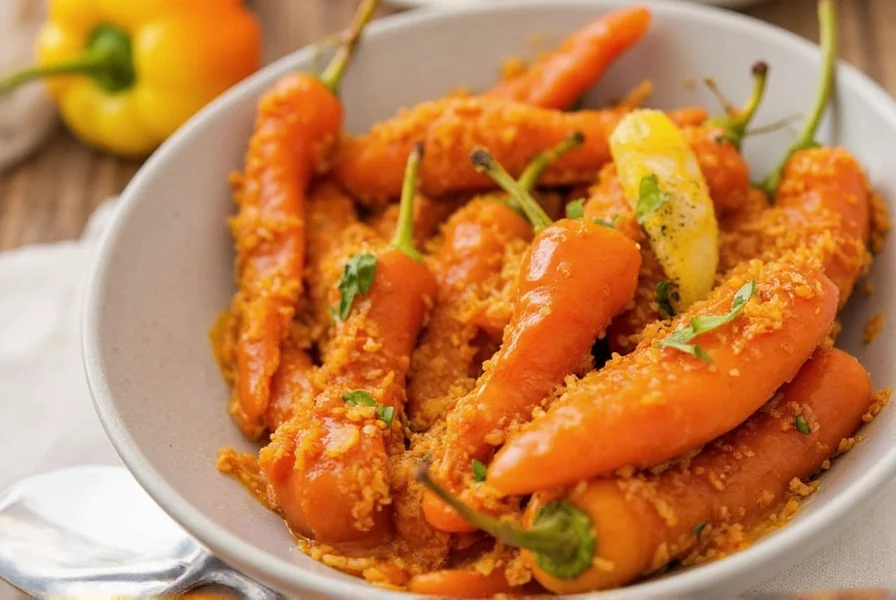
Peppers transform ordinary meals into vibrant culinary experiences. Whether you're working with colorful bell peppers, smoky chipotles, or fiery habaneros, understanding how to properly select, prepare, and incorporate these versatile vegetables elevates your cooking. This guide explores the world of pepper-based recipes with practical techniques and diverse meal ideas that work for beginners and experienced cooks alike.
Understanding Pepper Varieties and Their Culinary Applications
Not all peppers serve the same purpose in cooking. Each variety brings unique flavor profiles, heat levels, and culinary applications to your kitchen. Understanding these differences helps you select the right pepper for your recipe and achieve perfect results every time.
| Pepper Type | Scoville Heat Units | Flavor Profile | Best Culinary Uses |
|---|---|---|---|
| Bell Peppers | 0 SHU | Sweet, grassy, vegetal | Stir-fries, stuffed peppers, salads, roasting |
| Jalapeño | 2,500-8,000 SHU | Grassy, bright, moderately spicy | Salsas, guacamole, pickling, pizza topping |
| Serrano | 10,000-23,000 SHU | Sharp, bright, hotter than jalapeño | Pico de gallo, hot sauces, marinades |
| Habanero | 100,000-350,000 SHU | Fruity, floral, intensely hot | Caribbean sauces, hot sauces, spicy chutneys |
| Poblano | 1,000-2,000 SHU | Earthy, mild, slightly sweet | Chiles rellenos, mole sauces, roasted pepper dishes |
The Historical Evolution of Pepper Cultivation and Use
Peppers have undergone a remarkable global journey since their domestication. Archaeological evidence from the University of California, Davis confirms peppers were first cultivated in Mexico approximately 6,000 years ago, with early varieties primarily used for medicinal and ritual purposes. The Columbian Exchange (1492-1600s) triggered their worldwide dispersion: Spanish traders introduced them to Europe and Asia by 1542, where they rapidly integrated into regional cuisines like Korean gochujang and Hungarian paprika. The development of non-pungent bell peppers occurred in 19th-century Europe through selective breeding, creating the sweet varieties now fundamental to Mediterranean and American cooking. This evolution demonstrates how agricultural adaptation transformed a Mesoamerican crop into a global culinary cornerstone.
Source: UC Davis: History of Peppers
Essential Techniques for Cooking with Peppers
Mastering basic pepper preparation techniques ensures optimal flavor and texture in your dishes. These methods work across various pepper types and recipe applications.
Roasting and Peeling
Roasting transforms peppers by caramelizing natural sugars and creating complex flavors. Place whole peppers directly over gas flame, under broiler, or on grill until charred on all sides. Transfer to sealed container for 10 minutes, then peel skin under running water. This technique works exceptionally well for bell peppers, poblanos, and jalapeños in recipes like roasted pepper soup and stuffed pepper variations.
Removing Seeds and Membranes
The white membranes and seeds contain most of a pepper's capsaicin (heat compound). For milder dishes, carefully remove these parts with a small knife. When preparing stuffed bell pepper recipes, this step prevents overwhelming heat while maintaining flavor. For spicy chili pepper dishes where you want maximum heat, leave membranes intact.
Contextual Application Guidelines for Pepper Selection
Pepper effectiveness depends critically on culinary context and inherent limitations. The University of California Cooperative Extension emphasizes that "sweet peppers excel in fresh applications but lose structural integrity in prolonged cooking, while hot peppers require precise dosage to avoid sensory imbalance." Key contextual boundaries include:
- Habaneros: Optimal for small-batch fruit salsas where heat complements tropical flavors (e.g., mango-habanero), but unsuitable for dairy-based sauces as capsaicin binds irreversibly to fats
- Bell peppers: Ideal for stuffed dishes requiring structural stability, but become bitter when exposed to high-heat stir-frying beyond 5 minutes
- Poblanos: Perfect for chiles rellenos when roasted fresh, but their mild heat (1,000-2,000 SHU) diminishes completely in slow-cooked stews exceeding 2 hours
These context-specific parameters prevent common preparation failures and ensure peppers enhance rather than dominate dishes.
Source: UC Cooperative Extension: Pepper Selection Guidelines
Delicious Pepper-Centric Recipes
These carefully selected pepper food recipes showcase the vegetable's versatility across meal types and flavor profiles. Each recipe includes practical tips for success.
Classic Stuffed Bell Peppers
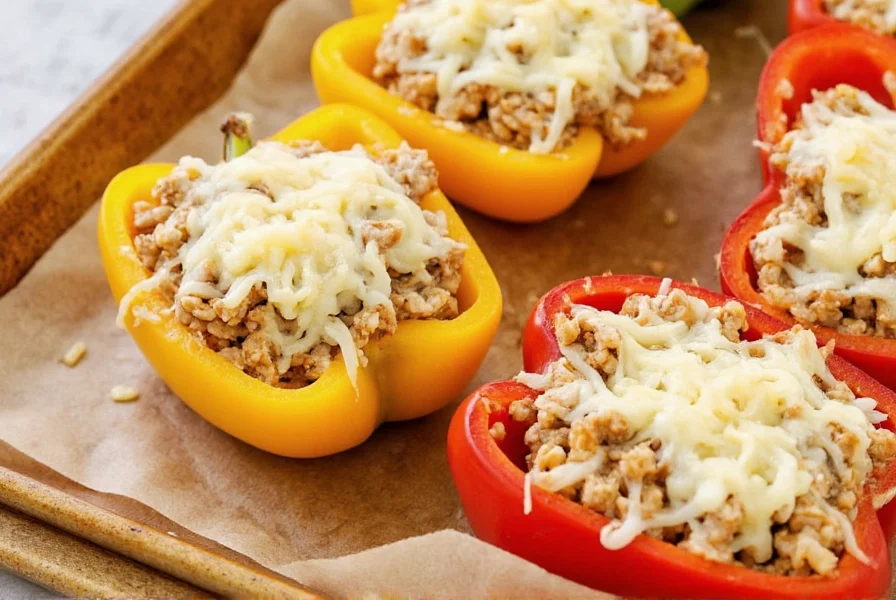
This family-friendly dish demonstrates how sweet pepper recipes can create satisfying main courses. Combine cooked ground turkey or plant-based alternative with rice, diced tomatoes, corn, and spices. Stuff into halved bell peppers (use multiple colors for visual appeal), top with cheese, and bake at 375°F for 30-35 minutes. For meal prep friendly versions, prepare components separately and assemble before baking.
Smoky Roasted Red Pepper Hummus
This vegetarian pepper dish elevates traditional hummus with deep, complex flavors. Blend two roasted red bell peppers with chickpeas, tahini, lemon juice, garlic, and cumin until smooth. Drizzle with olive oil and paprika before serving. This healthy pepper stir-fry accompaniment or dip works equally well as a sandwich spread or vegetable dip.
Thai Basil Chicken with Chili Peppers
For those seeking spicy chili pepper dishes, this quick weeknight meal delivers authentic flavors. Stir-fry chicken with Thai bird's eye chilies (adjust quantity based on heat preference), garlic, and holy basil. Add fish sauce, soy sauce, and a touch of sugar. Serve over jasmine rice with additional sliced chilies on top. This recipe demonstrates how to balance heat with complementary flavors for restaurant-quality results at home.
Nutritional Benefits of Cooking with Peppers
Peppers significantly boost the nutritional profile of your meals. Bell peppers contain three times more vitamin C than oranges by weight, while chili peppers provide capsaicin, which the National Institutes of Health identifies as having anti-inflammatory and antioxidant properties that may support metabolic health. Red peppers contain lycopene, a powerful antioxidant also found in tomatoes. Research published in the NIH database confirms regular consumption correlates with reduced inflammation markers and improved vascular function. Incorporating various pepper recipes into your regular meal rotation increases your intake of these beneficial compounds while adding flavor without extra calories.
Source: NIH: Capsaicin Health Effects Review
Storage and Preparation Tips for Peak Freshness
Proper storage extends pepper freshness and maintains optimal texture for your recipes. Store unwashed peppers in the crisper drawer of your refrigerator for up to two weeks. For longer storage, roast and freeze peppers in airtight containers for up to six months—perfect for maintaining a supply of ingredients for your favorite pepper food recipes year-round. When cutting peppers, use a sharp knife on a stable cutting surface to prevent slipping and ensure clean cuts that preserve texture in dishes like pepper stir-fry ideas.
Avoiding Common Pepper Cooking Mistakes
Many home cooks encounter issues when preparing pepper dishes. Overcooking causes peppers to lose their vibrant color and become mushy—add them during the final stages of cooking for stir-fries. Using the wrong pepper variety for a recipe can throw off flavor balance; consult the Scoville scale when substituting. Not wearing gloves when handling extremely hot peppers can cause skin irritation. And crucially, never cook with peppers in a sealed environment—capsaicin vapors can become overwhelming. These considerations ensure your easy bell pepper recipes turn out perfectly every time.
Expanding Your Pepper Recipe Repertoire
Once comfortable with basic pepper techniques, experiment with international variations. Try Spanish pimientos de padrón ( blistered padrón peppers with sea salt), Korean gochujang-based sauces using fermented chili paste, or Italian peperonata (sweet and sour bell pepper stew). Each culture has developed unique approaches to incorporating peppers that can inspire new twists on traditional pepper recipes for dinner. Consider preserving techniques like pickling jalapeños or making roasted red pepper pesto to extend your pepper cooking throughout the year.
Conclusion: Embracing Pepper Diversity in Your Kitchen
Pepper food recipes offer endless possibilities for creative, flavorful cooking. By understanding different pepper varieties, mastering preparation techniques, and applying thoughtful recipe selection, you can transform simple ingredients into extraordinary meals. Whether you're preparing quick weeknight dinners or special occasion dishes, peppers provide the perfect combination of flavor, nutrition, and versatility. Start with beginner-friendly sweet pepper recipes, then gradually explore spicier varieties as your palate develops. The journey through pepper cuisine rewards both your taste buds and your health.




 浙公网安备
33010002000092号
浙公网安备
33010002000092号 浙B2-20120091-4