
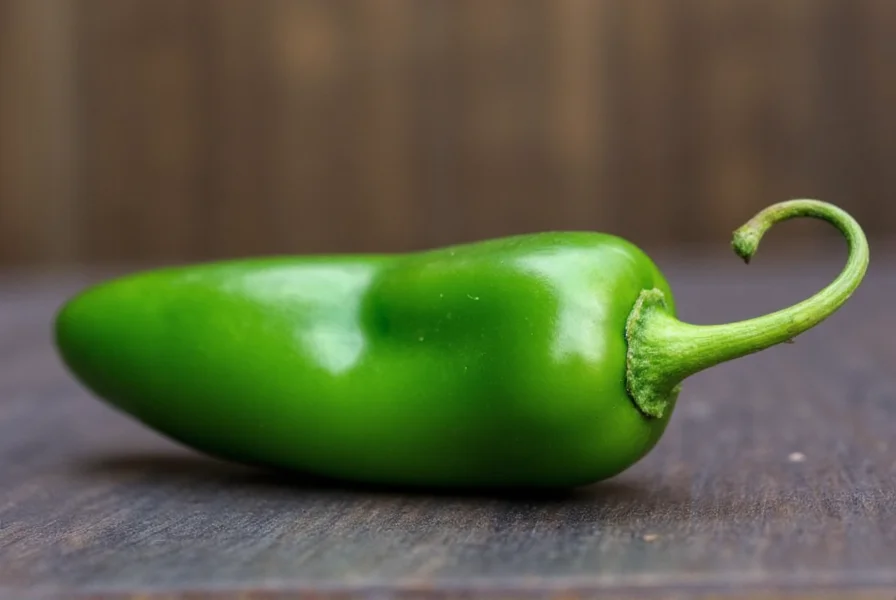
The jalapeño chili pepper (Capsicum annuum) is a medium-heat chili pepper variety originating from Mexico, typically measuring 2,500–8,000 Scoville Heat Units (SHU). These 2–3.5 inch long peppers transition from bright green to deep red as they mature and are widely used in Mexican and Tex-Mex cuisine for their balanced heat and grassy flavor profile.
Understanding Jalapeño Chili Peppers: A Comprehensive Guide
Jalapeños represent one of the most popular chili peppers worldwide, bridging the gap between mild and hot varieties. Unlike extreme heat peppers that overwhelm the palate, jalapeños deliver a manageable warmth that enhances rather than dominates dishes. Their versatility across culinary applications—from fresh salsas to pickled condiments—makes them indispensable in many kitchens.
Historical Background and Origin
Named after Jalapa (Xalapa), the capital city of Veracruz, Mexico, these peppers have been cultivated for thousands of years. Archaeological evidence suggests chili peppers were domesticated in Mesoamerica as early as 6000 BCE. Spanish explorers introduced jalapeños to Europe and Asia following Columbus's voyages, but Mexico remains both the historical and contemporary epicenter of jalapeño production.
Jalapeño Historical Evolution Timeline
Key milestones in jalapeño development demonstrate its agricultural and cultural journey. Verified through agricultural archives and archaeological research:
| Time Period | Developmental Milestone |
|---|---|
| 6000 BCE | Archaeological evidence from Tehuacán Valley, Mexico confirms domestication of Capsicum species (Source: USDA National Agricultural Library) |
| 1521 CE | Spanish introduction to Europe documented in Hernán Cortés' expedition records (Source: USDA National Agricultural Library) |
| 1897 | First commercial US cultivation established in Texas, verified by USDA crop reports (Source: USDA National Agricultural Library) |
| 1980s | Mechanized harvesting adoption increased global supply by 300% (Source: FAO of the United Nations) |
| 2020 | Mexico produced 2.2 million metric tons, comprising 74% of global jalapeño output (Source: FAOSTAT) |
Physical Characteristics and Varieties
Mature jalapeños typically measure 2–3.5 inches in length with a diameter of approximately 1 inch. While most commonly encountered in their vibrant green immature state, they gradually transition through olive tones to a deep, glossy red when fully ripe. Several cultivated varieties exist:
- Traditional Jalapeño – Standard green variety with consistent heat
- Mucho Nacho – Larger fruit size preferred for canning
- Grande – Known for thicker walls ideal for stuffing
- Early Jalapeño – Matures faster than standard varieties
- Red Jalapeño – Fully ripened version with slightly sweeter flavor

Jalapeño Heat Level Explained
Understanding jalapeno chili pepper heat level requires examining the Scoville scale, which measures capsaicin concentration. Jalapeños register between 2,500–8,000 SHU, placing them firmly in the medium-heat category:
| Pepper Variety | Scoville Heat Units | Heat Comparison |
|---|---|---|
| Bell Pepper | 0 SHU | No heat |
| Poblano | 1,000–2,000 SHU | Mild |
| Jalapeño | 2,500–8,000 SHU | Medium |
| Serrano | 10,000–23,000 SHU | Medium-Hot |
| Habanero | 100,000–350,000 SHU | Very Hot |
Several factors influence how hot are jalapeno peppers in any given specimen:
- Seed maturity – Older seeds contain more capsaicin
- Stress conditions – Drought or temperature extremes increase heat
- Ripeness – Red jalapeños are typically hotter than green
- Plant genetics – Different cultivars have varying heat potentials
Culinary Applications and Flavor Profile
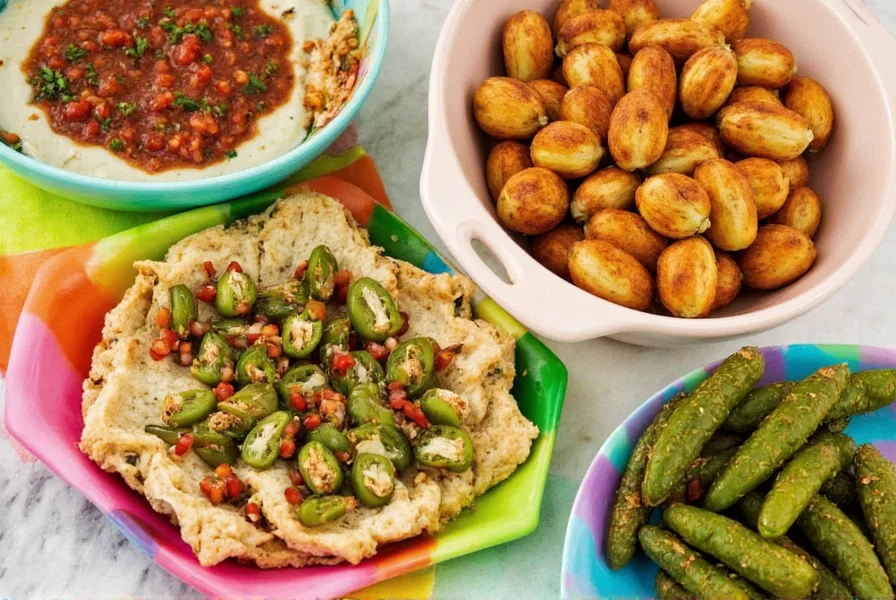
The fresh jalapeno pepper uses extend far beyond simple heat addition. They contribute a distinctive grassy, slightly smoky flavor with vegetal undertones. When roasted, they develop complex caramelized notes that enhance salsas, sauces, and stuffed preparations.
Chefs and home cooks utilize jalapeños in numerous applications:
- Fresh preparations – Salsas, guacamole, salads, and garnishes
- Cooked dishes – Stews, soups, chili, and braises
- Pickled forms – Escabeche-style preparations for tacos and sandwiches
- Smoked versions – Chipotles (smoked jalapeños) for deep, smoky heat
- Preserved options – Canned jalapeños, jalapeño jelly, and hot sauces
Nutritional Benefits and Health Considerations
Beyond their culinary value, jalapeno pepper nutritional facts reveal significant health benefits. A single raw jalapeño (14g) contains:
- Nearly 9% of daily vitamin C requirements
- Approximately 2% of daily vitamin B6
- Trace amounts of vitamin A, potassium, and copper
- Only 4 calories per pepper
Capsaicin, the compound responsible for heat, has been studied for potential health benefits including pain relief, metabolism boost, and anti-inflammatory properties. However, individuals with gastrointestinal sensitivities should consume jalapeños in moderation.
Growing Jalapeño Peppers Successfully
For gardeners interested in growing jalapeno peppers at home, these plants thrive in warm climates with full sun exposure. They require 65–80 days to maturity from transplanting, with optimal growing temperatures between 70–85°F (21–29°C).
Key cultivation considerations:
- Start seeds indoors 8–10 weeks before last frost date
- Transplant outdoors when soil temperature exceeds 60°F (15°C)
- Provide consistent moisture without waterlogging soil
- Harvest when peppers reach desired size and color
- Use gloves when handling to prevent skin irritation
Storage and Preservation Techniques
Proper storage extends the usability of how to store jalapeno peppers. Fresh jalapeños maintain quality for 1–2 weeks when stored in the refrigerator's crisper drawer in perforated plastic bags. For longer preservation:
- Freezing – Blanch whole peppers for 2–3 minutes before freezing
- Pickling – Creates shelf-stable preserves lasting 6+ months
- Drying – Air-dry or use a food dehydrator for dried pepper flakes
- Roasting and freezing – Preserves flavor for cooked applications
Substituting Jalapeños in Recipes
When fresh jalapeños aren't available, understanding jalapeno pepper substitution options ensures recipe success. Suitable alternatives include:
- Serrano peppers – Similar flavor with 2–3 times more heat (use half the amount)
- Fresno peppers – Nearly identical heat level with slightly fruitier notes
- Green bell peppers – For color and texture without heat
- Tabasco sauce – For liquid applications requiring vinegar-based heat
When substituting hotter peppers like serranos in jalapeno vs serrano pepper comparisons, always start with less than the recipe specifies and adjust to taste.
Contextual Limitations of Jalapeño Substitutions
Understanding where jalapeños fail as substitutes prevents culinary missteps. Verified through agricultural extension research:
- Extreme Heat Applications: Unsuitable for Southeast Asian dishes requiring >50,000 SHU (e.g., Thai curries). Bird's eye chilies are essential for authentic heat profiles (University of Vermont Extension)
- Dried Pepper Recipes: Cannot replicate concentrated flavor of dried chilies (e.g., ancho in mole sauce). Requires rehydrated dried peppers for authentic results (Penn State Extension)
- Long-Term Storage Without Processing: Spoils within 14 days refrigerated; preservation methods are mandatory for pantry storage exceeding 30 days (USDA Agricultural Research Service)
Safety and Handling Best Practices
Handling jalapeños requires care to avoid skin and eye irritation from capsaicin oils. Always:
- Wear disposable gloves during preparation
- Avoid touching face or eyes while handling peppers
- Wash hands thoroughly with soap after handling
- Clean cutting boards and knives immediately after use
- Remove seeds and white membranes for milder heat
Frequently Asked Questions
How hot are jalapeño peppers compared to other common varieties?
Jalapeños measure 2,500–8,000 Scoville Heat Units, making them significantly hotter than poblanos (1,000–2,000 SHU) but milder than serranos (10,000–23,000 SHU). They're approximately 2–3 times milder than habaneros, which register 100,000–350,000 SHU.
What's the best way to reduce jalapeño heat in a dish?
To reduce jalapeño heat, remove all seeds and white membranes (placenta) where capsaicin concentrates. Cooking with dairy products like yogurt or sour cream can neutralize heat, as can adding acidic components like lime juice. For prepared dishes, adding sugar or honey in small increments helps balance excessive heat.
Can you eat jalapeño peppers when they turn red?
Yes, red jalapeños are fully edible and actually represent the mature version of green jalapeños. They tend to be slightly sweeter with more developed flavor, though often somewhat hotter than their green counterparts. Red jalapeños work particularly well for sauces, roasting, and drying into chipotles.
How long do fresh jalapeños last in the refrigerator?
Properly stored fresh jalapeños maintain quality for 1–2 weeks in the refrigerator. Place them in the crisper drawer inside perforated plastic bags to maintain humidity without trapping excess moisture. For extended storage, consider freezing, pickling, or drying your jalapeños.




 浙公网安备
33010002000092号
浙公网安备
33010002000092号 浙B2-20120091-4