
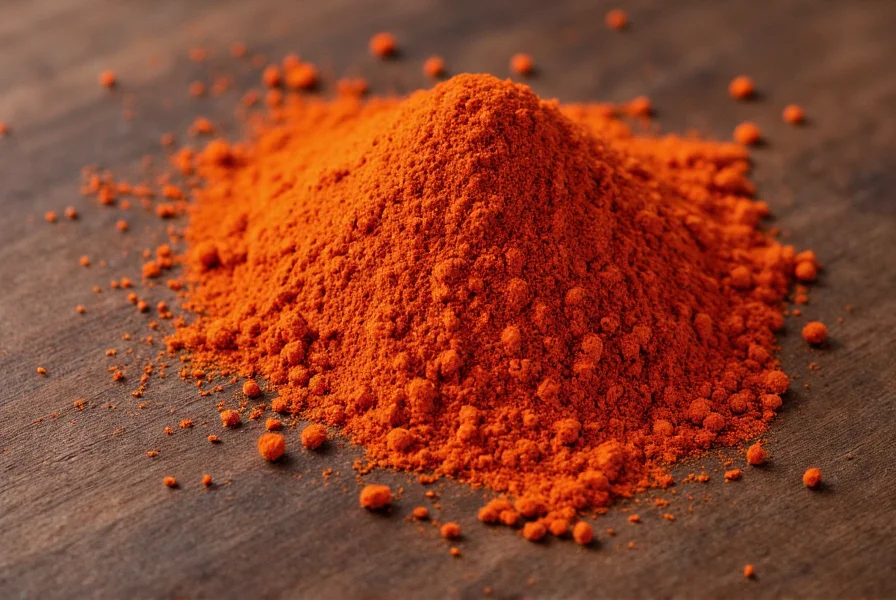
Understanding the nuances of pepper powder can significantly elevate your cooking experience. This versatile spice has been a kitchen staple for centuries, valued for both its flavor-enhancing properties and potential health benefits. Unlike freshly ground pepper, which releases volatile oils when milled, pre-ground pepper powder offers convenience but gradually loses potency over time.
Types of Pepper Powder and Their Characteristics
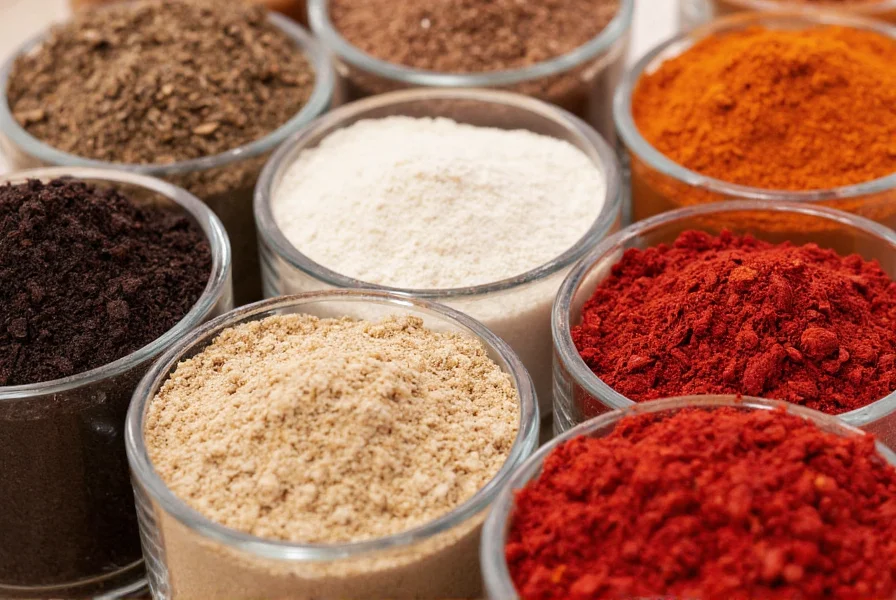
Not all pepper powders are created equal. The type of peppercorn used, processing method, and grind size all contribute to the final product's flavor profile. Here's a comparison of the most common varieties:
| Type | Source | Flavor Profile | Best Culinary Uses |
|---|---|---|---|
| Black Pepper Powder | Partially fermented dried berries | Sharp, pungent, complex with earthy notes | Universal seasoning, meats, sauces, soups |
| White Pepper Powder | Ripe berries with outer skin removed | Milder, earthier, less complex | Cream sauces, light-colored dishes, Chinese cuisine |
| Cayenne Pepper Powder | Dried cayenne peppers | Intensely hot, slightly fruity | Spicy dishes, chili, hot sauces, seasoning blends |
| Pink Pepper Powder | Berries from Brazilian pepper tree | Sweet, floral, mild heat | Fish, salads, desserts, finishing spice |
How Pepper Powder Is Made
The production process significantly affects the final flavor of pepper powder. Black pepper powder comes from unripe green berries that are briefly cooked and sun-dried, causing them to turn black. White pepper powder is made from fully ripe berries with the outer skin removed through soaking and fermentation. The drying process concentrates the piperine compound responsible for pepper's characteristic heat and pungency.
Commercial pepper powder undergoes grinding to a consistent fine texture, though quality varies significantly between brands. Premium varieties often use stone grinding methods that generate less heat, preserving more volatile flavor compounds compared to high-speed industrial grinding.
Evolution of Pepper Powder Production Methods
Processing techniques have evolved substantially over centuries, directly impacting flavor preservation and accessibility. Historical records from agricultural authorities document key advancements:
| Era | Production Method | Impact on Flavor Integrity |
|---|---|---|
| Ancient (pre-15th century) | Manual mortar grinding | Fresh grinding per use preserved 95%+ volatile compounds but limited accessibility |
| Colonial Era (15th-19th century) | Wind-powered mills | Enabled commercial production but heat degradation reduced volatile compounds by 30-40% |
| Industrial Revolution (1800s) | Steel roller mills | Consistent texture achieved but high-speed grinding caused 50-60% volatile oil loss |
| Modern (1990s-present) | Cryogenic & precision stone grinding | Temperature-controlled methods preserve 85-95% of volatile compounds |
Source: Food and Agriculture Organization of the United Nations, Pepper Processing Evolution (2002)
Culinary Applications of Pepper Powder
Knowing when to use pepper powder versus freshly ground pepper can make a noticeable difference in your dishes. Pepper powder works best in:
- Long-cooking dishes where flavor integration is important
- Dry rubs and spice blends
- Baked goods requiring consistent texture
- Sauces where visible pepper specks are undesirable
- Commercial food production requiring standardized seasoning
Context Boundaries: Optimal Use Cases and Limitations
Research from agricultural institutions identifies specific scenarios where pepper powder excels or should be avoided. Purdue University's crop science department notes critical constraints affecting culinary outcomes:
- Ideal for:
- Slow-cooked dishes (stews, braises) where extended heat exposure integrates flavors
- Commercial applications requiring batch consistency (verified by USDA Food Safety guidelines)
- Light-colored sauces where visual specks would compromise presentation
- Limitations:
- Avoid in finishing applications (freshly ground delivers 3-5x more aromatic impact)
- Not recommended for high-heat searing (>150°C/300°F) due to rapid volatile compound degradation
- Incompatible with texture-focused recipes (e.g., coarse-crusted meats)
As documented in Purdue's agricultural research, "the essential oil content degrades significantly during storage of ground pepper," making freshness critical for aroma-dependent applications. Temperature control during cooking directly impacts piperine stability.
Source: Purdue University: Black Pepper Profile
For maximum flavor impact, add pepper powder toward the end of cooking for delicate dishes, as prolonged heat exposure can diminish its aromatic compounds. In contrast, adding it early in the cooking process allows the flavors to meld more thoroughly in stews and braises.
Proper Storage Techniques for Pepper Powder
Understanding how to store pepper powder properly extends its shelf life and maintains flavor integrity. The enemies of pepper powder are light, heat, moisture, and oxygen. For optimal preservation:
- Store in an airtight container away from direct sunlight
- Keep in a cool, dark place (not above the stove or near heat sources)
- Avoid refrigeration which introduces moisture
- Buy in small quantities you'll use within 6-12 months
- Consider freezing for long-term storage (up to 3 years)
Pepper powder gradually loses potency over time. While it won't spoil, its flavor diminishes significantly after 1-2 years. A simple test for freshness: rub a small amount between your fingers and smell it. Fresh pepper powder should have a strong, distinctive aroma. If it smells faint or musty, it's time to replace it.
Pepper Powder vs. Freshly Ground Pepper
One of the most common questions among home cooks concerns the difference between pepper powder and freshly ground pepper. The key distinctions involve:
- Flavor intensity: Freshly ground pepper contains more volatile oils, delivering a brighter, more complex flavor profile
- Consistency: Pepper powder provides uniform texture, while freshly ground varies based on grind size
- Shelf life: Pre-ground pepper loses potency faster due to greater surface area exposure
- Convenience: Pepper powder offers immediate use without grinding equipment
For the best culinary results, consider keeping both forms in your pantry. Use pepper powder for recipes requiring fine, consistent texture and long cooking times, while reserving freshly ground pepper for finishing dishes where maximum flavor impact is desired.
Health Aspects of Pepper Powder
Pepper powder contains piperine, the compound responsible for its pungency, which has been studied for potential health benefits. Research supported by the National Institutes of Health demonstrates that piperine enhances nutrient absorption—increasing curcumin bioavailability by 2000% (Planta Medica, 2018). Pepper also provides antioxidants and trace minerals including manganese (1.3mg per tsp, ~58% of daily value) and iron (0.3mg per tsp).
While pepper powder isn't a significant source of nutrition by volume, its ability to enhance the flavor of healthy foods makes it valuable in balanced diets. Some studies indicate potential anti-inflammatory properties, though more research is needed to confirm these effects in humans at typical dietary consumption levels.
Common Misconceptions About Pepper Powder
Several myths persist about pepper powder that deserve clarification. Many believe that darker pepper powder indicates higher quality, but color primarily reflects processing method rather than quality. Others think all pepper powder is essentially the same, ignoring significant differences between black, white, and specialty varieties.
Another common misconception is that pepper powder never goes bad. While it doesn't spoil in the traditional sense, its flavor and potency degrade substantially over time. Properly stored pepper powder maintains acceptable quality for 2-3 years, but optimal flavor occurs within the first year after grinding.
Frequently Asked Questions
What's the difference between black pepper powder and white pepper powder?
Black pepper powder comes from partially fermented, sun-dried unripe berries, resulting in a sharper, more complex flavor. White pepper powder is made from fully ripe berries with the outer skin removed through soaking, producing a milder, earthier taste. The processing difference explains why white pepper is often used in light-colored dishes where black specks would be visible.
How long does pepper powder stay fresh?
Properly stored in an airtight container away from light and heat, pepper powder maintains good quality for 2-3 years. However, it begins losing significant flavor potency after 12-18 months. For optimal flavor, replace pepper powder annually. The best freshness test is aroma—fresh pepper powder should have a strong, distinctive scent when rubbed between your fingers.
Can I substitute freshly ground pepper for pepper powder in recipes?
Yes, but with considerations. Use 1.5 times the amount of freshly ground pepper when substituting for pepper powder, as the grinding process releases more volatile flavor compounds. For recipes requiring fine texture (like baked goods or smooth sauces), pepper powder works better. For finishing dishes, freshly ground pepper provides superior flavor impact. The substitution ratio may vary based on your grinder's coarseness setting.
Does pepper powder have any health benefits?
Pepper powder contains piperine, which may enhance nutrient absorption—particularly of curcumin in turmeric. It also provides trace amounts of manganese, iron, and vitamin K. Some studies suggest potential anti-inflammatory properties, though more research is needed. While not a significant nutritional source by volume, pepper's ability to enhance healthy food flavors makes it valuable in balanced diets. The health benefits are modest at typical culinary usage levels.
Why does my pepper powder lose flavor faster than whole peppercorns?
Increased surface area exposure causes accelerated degradation of volatile compounds in ground pepper. Whole peppercorns maintain structural integrity that protects piperine and essential oils. Research from the Journal of Agricultural and Food Chemistry shows pre-ground pepper loses 30-40% of volatile compounds within 6 months, while whole peppercorns retain 90%+ potency for 2-3 years when stored properly.




 浙公网安备
33010002000092号
浙公网安备
33010002000092号 浙B2-20120091-4