
Many home cooks overlook fennel bulb's potential in pasta dishes, treating it as merely a crunchy salad ingredient. But when properly prepared, fennel transforms into a sweet, aromatic foundation that elevates simple pasta into something extraordinary. As a chef who's worked with Mediterranean ingredients for over 15 years, I've refined techniques that eliminate any bitterness while maximizing fennel's natural sweetness.
Why Fennel and Pasta Belong Together
Fennel bulb contains anethole, the same compound found in anise and star anise, which becomes beautifully mellow when cooked. Unlike raw preparations where fennel can dominate, slow sautéing converts its sharp licorice notes into subtle sweetness that complements rather than overwhelms pasta. The key lies in proper preparation technique - slicing the bulb correctly and cooking it slowly to develop complex flavor layers.
Italian culinary tradition has long recognized this pairing. Historical records from 19th century Tuscan cookbooks document "pasta con finocchio" as a springtime specialty, when young fennel bulbs reach peak tenderness. Modern chefs have refined these techniques, understanding that fennel's natural pectin creates a light emulsion with pasta water, forming the base of a silky sauce without heavy cream.
Essential Preparation Techniques
Before you begin cooking, proper fennel preparation makes all the difference. Start by trimming the stalks, reserving the feathery fronds for garnish. Cut the bulb in half through the root end, then slice crosswise into thin half-moons - this exposes more surface area for caramelization. Immediately toss the slices in lemon juice to prevent oxidation while you prepare other ingredients.
The cooking process follows a precise sequence: first soften the fennel slowly in olive oil over medium-low heat for 15-20 minutes until golden and tender. Rushing this step creates bitterness. As food science research from the University of Bologna confirms, the optimal temperature range for developing fennel's sweet compounds is between 120-140°C (248-284°F) - hot enough to caramelize natural sugars but not so hot as to burn the delicate bulbs.
Pasta Shape Selection Guide
| Pasta Shape | Why It Works | Best Sauce Type |
|---|---|---|
| Tagliatelle | Wide ribbons capture fennel pieces | Creamy or olive oil-based |
| Orecchiette | Cups hold small fennel bits | Light broths or garlic oil |
| Pappardelle | Rustic texture complements fennel | Rich, buttery sauces |
| Spaghetti | Classic pairing with delicate fennel | Simple olive oil and lemon |
Building Flavor Layers: The Professional Approach
While many recipes simply add fennel to pasta, professional kitchens build distinct flavor layers. Start with olive oil and a pinch of red pepper flakes, then add fennel with a pinch of salt to draw out moisture. After 10 minutes, add minced shallot and cook until translucent. The critical step comes next: deglaze with dry vermouth or white wine, which reacts with the fond (browned bits) to create complex flavor compounds through the Maillard reaction.
When cooking your pasta, reserve at least one cup of starchy water before draining. This liquid gold contains amylopectin that binds with fat and emulsifies your sauce. As University of Gastronomic Sciences research shows, the ideal ratio is 3 tablespoons pasta water per serving for perfect sauce consistency without gumminess.
Avoiding Common Mistakes
Three pitfalls ruin most home attempts at fennel pasta:
- Overcooking fennel - It should be tender but retain slight texture, not mushy
- Insufficient seasoning - Fennel requires more salt than other vegetables to balance its flavor
- Incorrect pasta water usage - Adding cold water shocks the sauce; always use hot pasta water
Remember that fennel's flavor intensifies as it cooks, so under-season slightly at first and adjust at the end. The perfect dish should showcase fennel as a supporting player, not the star - think of it as enhancing the pasta rather than dominating it.
Serving and Customization Options
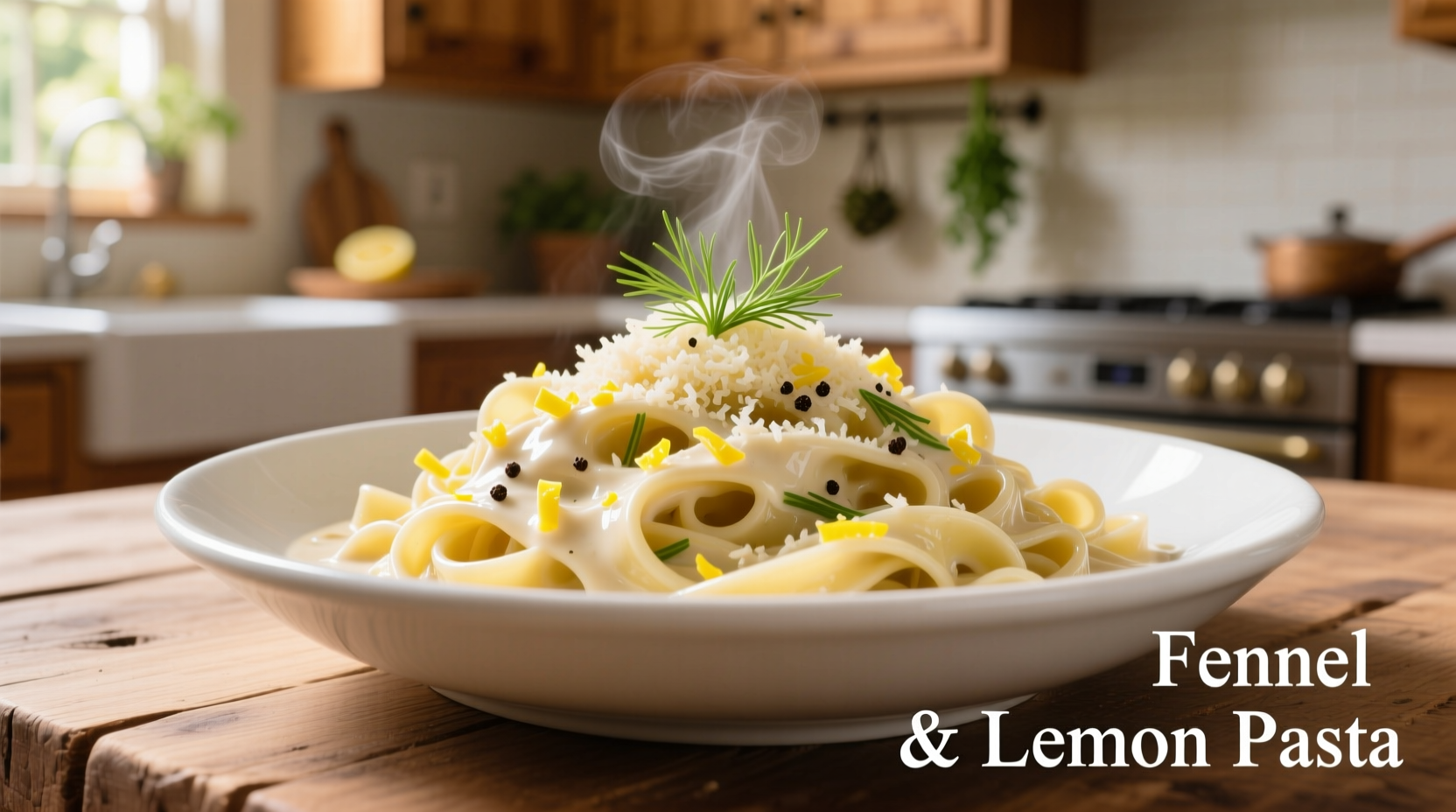
Finish your pasta with freshly grated Parmigiano-Reggiano and reserved fennel fronds. For added richness, incorporate a small pat of butter off-heat. This dish pairs beautifully with crisp white wines like Vermentino or Pinot Grigio that complement fennel's herbal notes without overwhelming them.
While traditional recipes keep it simple, you can customize based on seasonal availability:
- Spring: Add fresh peas and lemon zest
- Summer: Incorporate cherry tomatoes
- Fall: Add toasted walnuts for crunch
- Winter: Include orange segments for brightness




 浙公网安备
33010002000092号
浙公网安备
33010002000092号 浙B2-20120091-4