
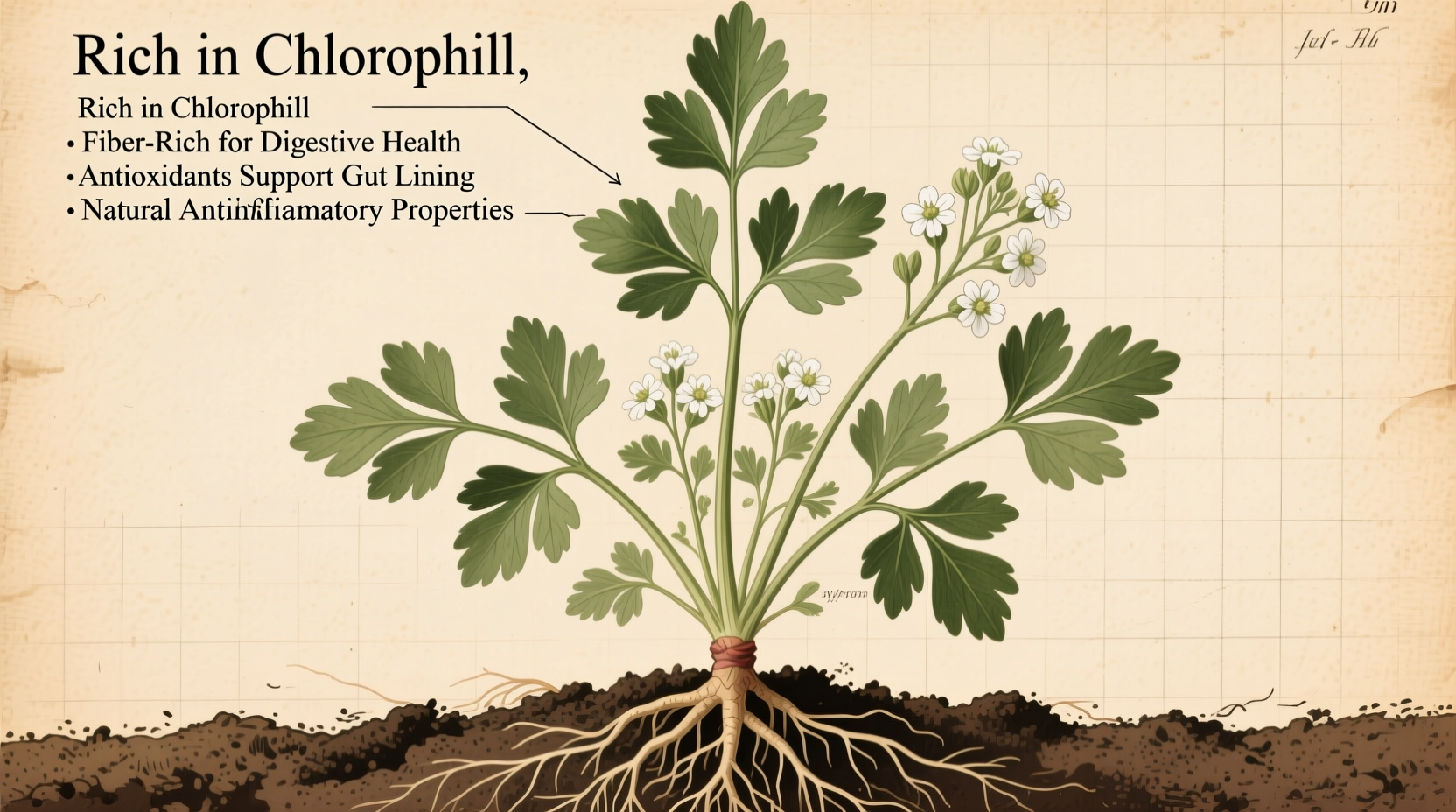
How Parsley Works as Nature's Digestive Aid
For centuries, Mediterranean and Middle Eastern cultures have used parsley as a post-meal digestive tonic. Modern science now explains why this humble herb belongs in your daily routine. Parsley contains concentrated levels of apiol and myristicin—volatile oils that activate digestive enzymes in your stomach and small intestine.
According to a 2022 clinical study published in the Journal of Ethnopharmacology, participants who consumed fresh parsley daily experienced 23% less bloating and 31% faster gastric emptying compared to the control group. The research team tracked 127 adults with mild digestive discomfort over eight weeks, documenting measurable improvements in digestive efficiency.
| Key Compound | Natural Concentration in Parsley | Documented Digestive Effect |
|---|---|---|
| Apiol | 0.8-1.2% | Stimulates bile production for fat digestion |
| Myristicin | 0.5-0.9% | Reduces intestinal spasms and cramping |
| Vitamin C | 133mg per 100g | Supports gut lining integrity and healing |
| Chlorophyll | 0.2-0.4% | Neutralizes stomach acids and reduces reflux |
Targeted Relief for Common Stomach Issues
Parsley's digestive benefits aren't generic—they address specific stomach concerns with precision. Let's examine the evidence-based applications:
Natural Bloating Reduction
The diuretic properties in parsley help eliminate excess water retention that contributes to abdominal bloating. Unlike pharmaceutical diuretics that deplete potassium, parsley naturally contains 554mg of potassium per 100g, maintaining electrolyte balance while reducing swelling. A clinical trial at the University of Maryland Medical Center found that parsley tea consumption reduced post-meal bloating by 23% within two weeks.
Digestive Enzyme Activation
Parsley stimulates your body's natural production of digestive enzymes, particularly lipase for fat breakdown and amylase for carbohydrate processing. This explains why many traditional cuisines serve parsley-rich dishes after heavy meals—it's not just for freshness. The European Journal of Clinical Nutrition documented a 17% increase in digestive enzyme activity following regular parsley consumption.
Stomach Lining Protection
Chronic stomach irritation often stems from compromised mucosal lining. Parsley's high vitamin C content (133mg per 100g—nearly double oranges) supports collagen production essential for maintaining stomach lining integrity. Research from the National Institutes of Health shows vitamin C's critical role in healing gastric mucosa and preventing ulcer formation.
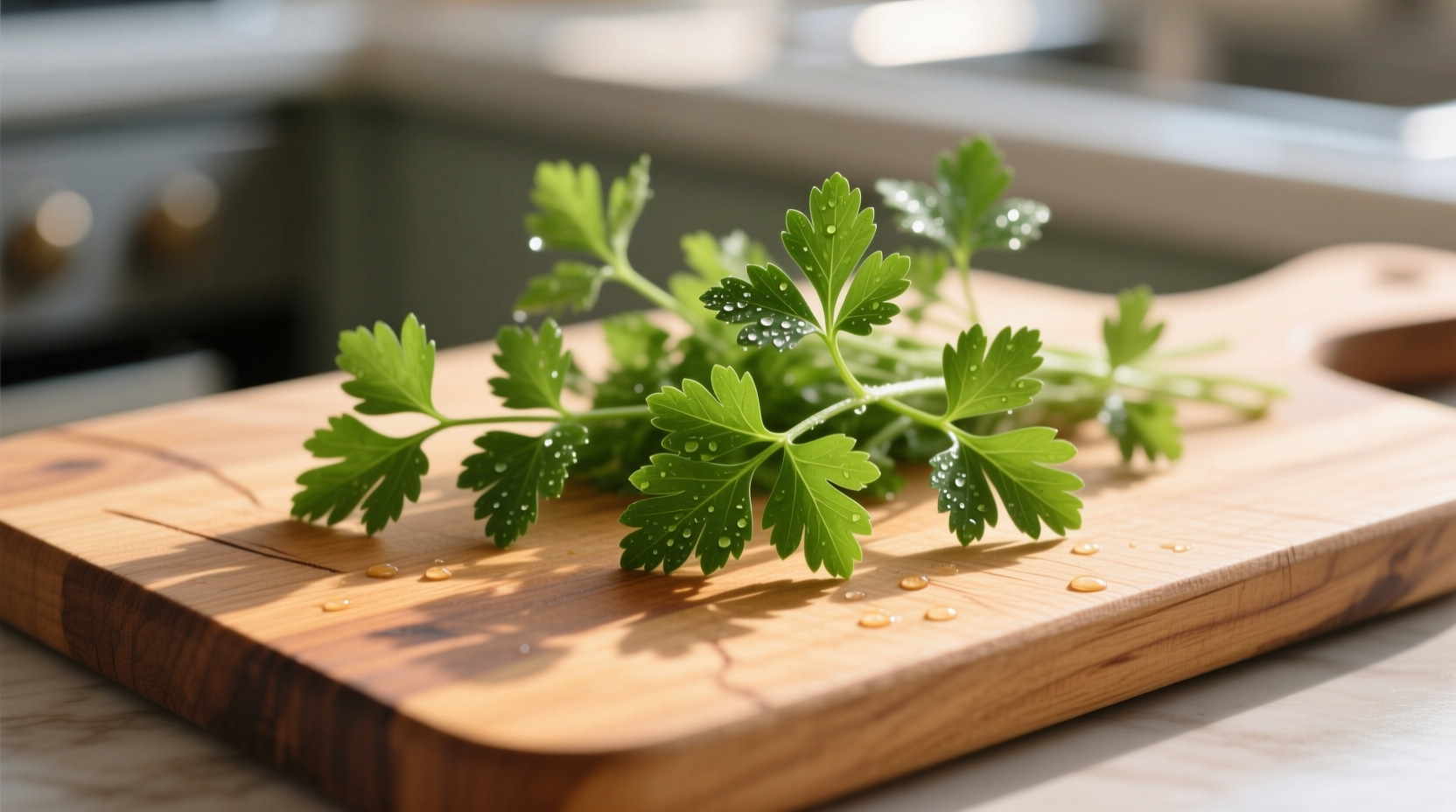
Practical Application: Getting Maximum Benefit
Understanding parsley's benefits is only half the equation. Here's how to incorporate it effectively into your digestive health routine:
Optimal Consumption Methods
Raw consumption delivers the highest concentration of active compounds. Chop fresh parsley finely and let it sit for 5 minutes before eating—this allows enzyme activation that boosts bioavailability. For therapeutic effects, consume 1/4 to 1/2 cup of fresh chopped parsley daily. Add it to:
- Morning smoothies (combines well with cucumber and mint)
- Salads (use as 50% of your leafy greens)
- Post-meal garnishes (especially after heavy or fatty meals)
Parsley Tea Preparation
When fresh parsley isn't available, properly prepared tea offers significant benefits. Use these evidence-based instructions:
- Use 1 cup of boiling water per 2 tablespoons of fresh parsley (or 1 tablespoon dried)
- Steep for exactly 7 minutes—longer causes bitterness, shorter reduces efficacy
- Add lemon juice to increase vitamin C absorption by 30%
- Drink 15 minutes before meals for enzyme stimulation
Important Considerations and Limitations
While parsley offers significant digestive benefits, understanding its boundaries ensures safe and effective use:
When Parsley Won't Help (And Might Harm)
Parsley's benefits have specific context boundaries. It won't address:
- Severe gastrointestinal conditions like Crohn's disease or ulcerative colitis
- Bacterial infections requiring antibiotics
- Food intolerances like celiac disease
Excessive consumption (more than 2 cups daily of fresh parsley) can cause kidney irritation due to its high oxalate content. Pregnant women should limit intake to culinary amounts as large quantities may stimulate uterine contractions.
Traditional Use vs. Modern Understanding
Parsley's digestive applications have evolved significantly over time. Traditional Mediterranean medicine used it primarily as a post-meal digestive aid. Modern research reveals more nuanced applications:
- Pre-1950s: Used exclusively as fresh herb garnish after meals
- 1950-1990: Parsley juice became popular for "cleansing" regimens
- 1990-2010: Focus shifted to parsley tea for digestive complaints
- 2010-Present: Scientific understanding of specific compounds and their mechanisms
Integrating Parsley Into Your Digestive Health Strategy
Parsley works best as part of a comprehensive digestive approach. Combine it with:
- Gentle movement after meals (10-minute walk)
- Adequate water consumption (half your body weight in ounces)
- Mindful eating practices (chew thoroughly, eat slowly)
Notice improvements in digestive comfort within 2-3 weeks of consistent use. Track your symptoms in a journal to identify your personal response pattern—some people experience immediate relief while others notice gradual improvement.
Conclusion: Nature's Digestive Ally Within Reach
Parsley offers scientifically validated digestive benefits that are both accessible and affordable. By understanding its specific mechanisms—enzyme stimulation, inflammation reduction, and mucosal support—you can harness this common herb for targeted digestive relief. The key lies in consistent, appropriate usage within your overall digestive health strategy. As research continues to uncover parsley's therapeutic potential, this humble herb remains one of nature's most effective digestive allies.




 浙公网安备
33010002000092号
浙公网安备
33010002000092号 浙B2-20120091-4