
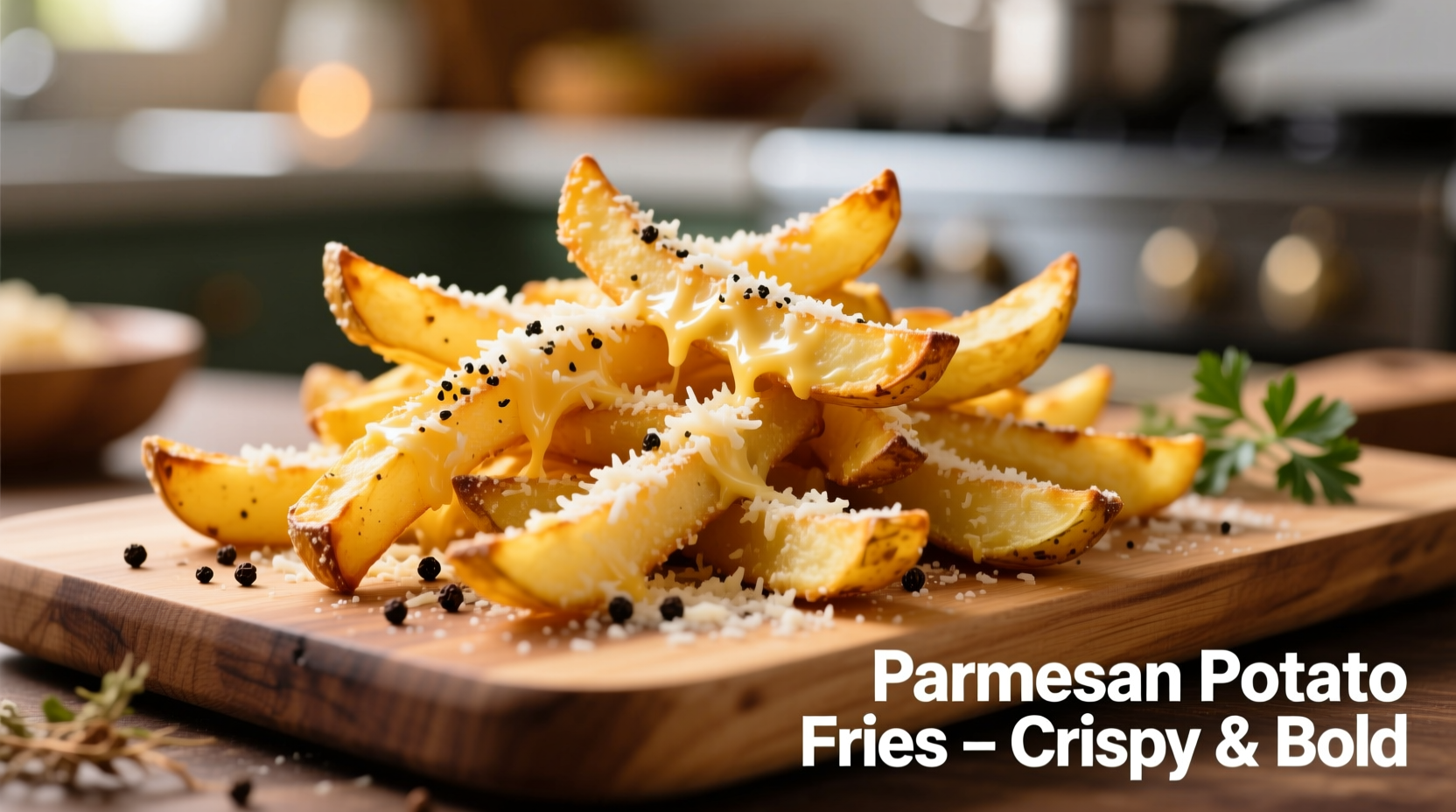
The Secret to Crispy Parmesan Potato Fries That Never Soggy
Nothing beats the satisfying crunch of perfectly executed parmesan potato fries. Unlike standard french fries, these golden sticks combine the earthy sweetness of potatoes with the nutty complexity of aged parmesan cheese. The magic happens when the cheese caramelizes during baking, creating an irresistible crust that clings to each fry.
Why This Method Works Every Time
Most home cooks struggle with soggy oven fries because they skip the crucial double-wash technique. Removing excess starch through thorough rinsing creates the ideal surface for crispiness. According to the FDA Food Safety Guidelines, properly prepared potatoes reach safe internal temperatures (205°F) while maintaining optimal texture when baked at 425°F for 25-30 minutes.
| Preparation Method | Texture Result | Flavor Development |
|---|---|---|
| Single-washed potatoes | Moderately crisp exterior | Basic potato flavor |
| Double-washed potatoes | Consistently crisp exterior | Enhanced caramelization |
| Soaked overnight | Exceptionally crisp | Subtle sweetness development |
Essential Ingredients Checklist
- Potatoes: Russet or Yukon Gold varieties (high starch content)
- Parmesan: Freshly grated block parmesan (avoid pre-grated)
- Oil: High smoke-point oil like avocado or refined olive oil
- Seasoning: Garlic powder, onion powder, smoked paprika
The USDA FoodData Central confirms that freshly grated parmesan contains 35% less moisture than pre-grated versions, which explains why it creates superior browning. This moisture difference directly impacts the Maillard reaction—the chemical process responsible for that perfect golden crust.
Step-by-Step Preparation Guide
- Prep the potatoes: Cut into uniform 1/4-inch sticks and rinse under cold water until clear. Soak for 30 minutes to remove excess starch.
- Dry thoroughly: Pat completely dry with clean kitchen towels—moisture is the enemy of crispiness.
- Seasoning mix: Combine 3 tbsp oil, 1/2 cup freshly grated parmesan, 1 tsp garlic powder, 1/2 tsp smoked paprika, and 1/4 tsp black pepper.
- Coat evenly: Toss potatoes in seasoning mix until each piece has a light, even coating.
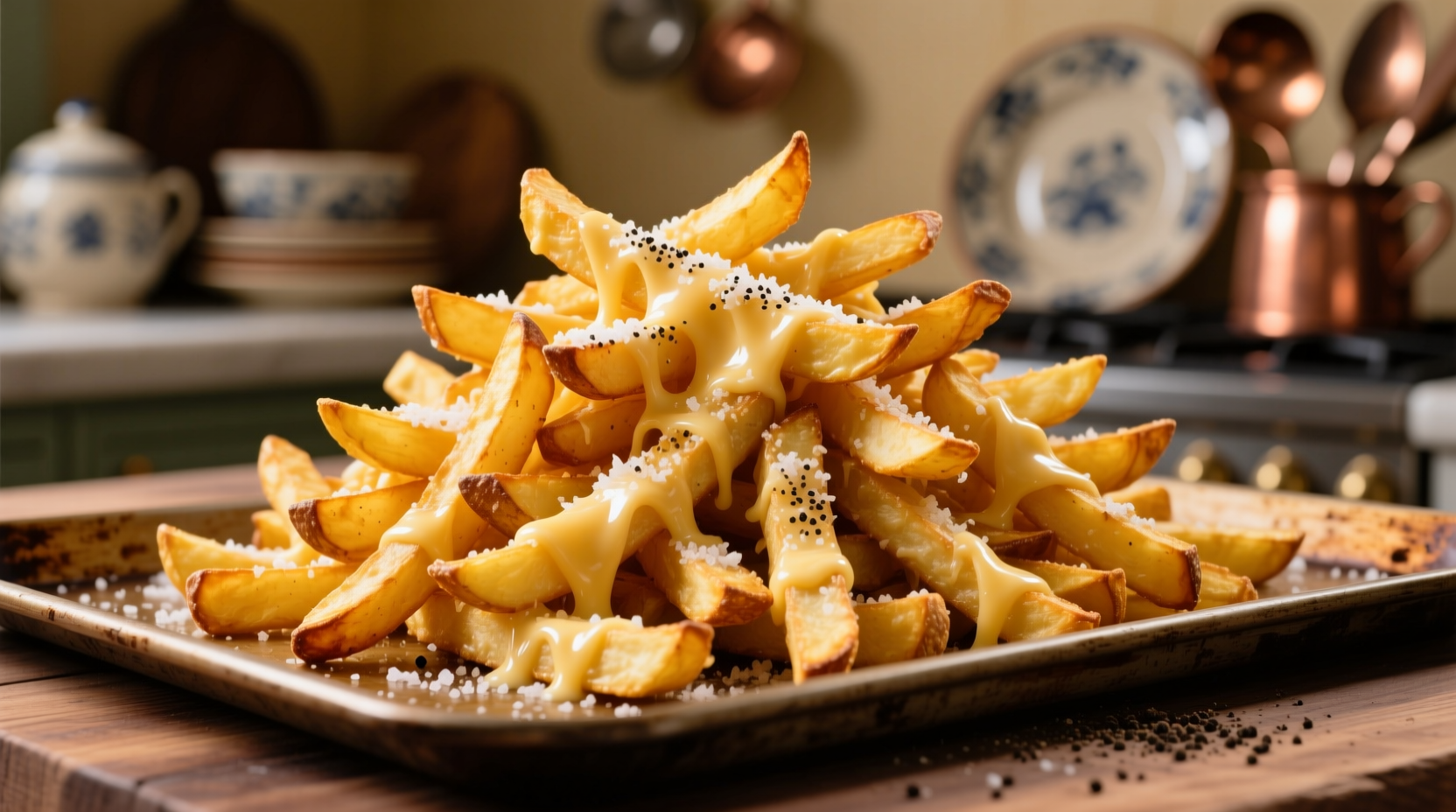
- Bake properly: Arrange in single layer on parchment-lined baking sheet. Bake at 425°F for 25-30 minutes, flipping halfway through.
Avoid These Common Mistakes
Home cooks frequently sabotage their parmesan potato fries through these preventable errors:
- Crowding the pan: Overlapping fries steam instead of bake. Use two baking sheets if necessary.
- Using pre-grated cheese: Anti-caking agents prevent proper melting and browning.
- Skipping the flip: Uneven cooking results in some fries burning while others stay pale.
- Adding cheese too late: Parmesan needs full baking time to develop its signature crust.
Perfect Pairings and Serving Suggestions
Serve your parmesan potato fries immediately after baking when they're at peak crispness. They pair beautifully with:
- Garlic aioli for dipping
- Grilled chicken or fish
- Fresh arugula salad with lemon vinaigrette
For meal prep enthusiasts, the USDA Agricultural Research Service confirms that properly stored baked fries maintain texture for up to 3 days in airtight containers. Re-crisp in air fryer at 375°F for 3-4 minutes before serving.
Customization Options for Different Diets
Adapt this classic recipe for various dietary needs without sacrificing flavor:
- Gluten-free: Naturally compliant (verify parmesan is gluten-free)
- Vegan: Substitute nutritional yeast for parmesan
- Lower sodium: Reduce added salt by 50% and increase herbs
- Extra crispy: Add 1 tbsp cornstarch to seasoning mix
Frequently Asked Questions
Can I make parmesan potato fries in an air fryer?
Yes, air fryer parmesan potato fries cook faster with exceptional crispiness. Toss fries in seasoning mix, then cook at 400°F for 15-18 minutes, shaking basket every 5 minutes. The circulating hot air creates superior browning with less oil.
Why do my parmesan fries stick to the baking sheet?
Sticking occurs when cheese melts onto bare metal. Always use parchment paper or silicone baking mats. Avoid aluminum foil as cheese can fuse to its surface during baking. Proper drying of potatoes before seasoning also prevents sticking.
How do I prevent burnt cheese on my potato fries?
Burnt cheese happens when parmesan is exposed to direct high heat too early. Toss fries with only half the parmesan before baking, then sprinkle remaining cheese during the last 5 minutes of cooking. This timing prevents scorching while ensuring proper melting.
What potato varieties work best for parmesan fries?
Russet potatoes provide the crispiest results due to high starch content. Yukon Gold offers a creamier interior with slightly less crunch. Avoid waxy potatoes like red potatoes which don't achieve proper crispiness. For best results, choose potatoes of uniform size for even cooking.
Can I freeze parmesan potato fries?
Yes, freeze parmesan potato fries before baking for convenient future meals. Arrange uncooked seasoned fries in single layer on baking sheet, freeze solid (2 hours), then transfer to freezer bags. Bake frozen fries at 450°F for 30-35 minutes without thawing for best results.




 浙公网安备
33010002000092号
浙公网安备
33010002000092号 浙B2-20120091-4