
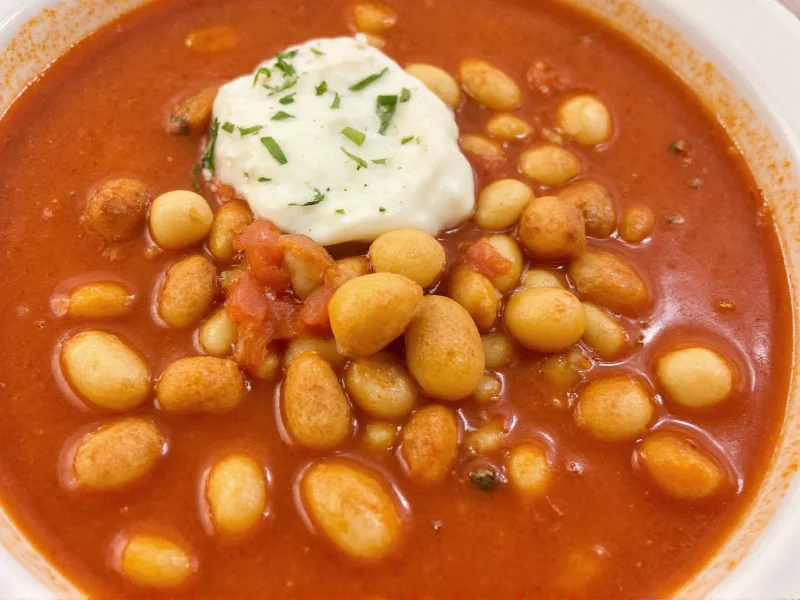
For years, Panera Bread's tomato soup has been a customer favorite, consistently ranking among the top-selling menu items across its bakery-cafe locations. This creamy tomato soup has developed a loyal following not just for its comforting taste but for its positioning as a "clean" menu option with no artificial ingredients. Understanding what makes this soup special requires examining its composition, nutritional value, and how it fits within Panera's broader menu philosophy.
What Defines Panera's Tomato Soup Flavor Profile
Panera's tomato soup stands out in the restaurant soup market for its balanced flavor that avoids being overly acidic or sweet. The soup achieves its signature taste through a combination of vine-ripened tomatoes and carefully selected vegetables. Unlike many commercial tomato soups that rely on heavy cream bases, Panera uses a moderate amount of dairy to create creaminess while maintaining the bright tomato flavor. The soup has a smooth, velvety texture without being overly thick, making it an ideal companion to Panera's famous grilled cheese sandwiches.
Ingredient Analysis and Dietary Information
Based on Panera's published nutrition and allergen information, the tomato soup contains tomato puree, vegetable broth, cream, onions, carrots, modified food starch, sugar, salt, and natural flavors. The soup is certified vegetarian but contains dairy, making it unsuitable for strict vegans. For those with gluten concerns, Panera confirms this soup is gluten-free, though prepared in facilities that process wheat.
| Nutrition Facts | Per 16 oz Bowl | % Daily Value* |
|---|---|---|
| Calories | 230 | 12% |
| Total Fat | 9g | 12% |
| Saturated Fat | 5g | 25% |
| Cholesterol | 25mg | 8% |
| Sodium | 890mg | 39% |
| Total Carbohydrate | 32g | 12% |
| Dietary Fiber | 4g | 14% |
| Sugars | 10g | |
| Protein | 8g |
*Percent Daily Values are based on a 2,000 calorie diet. Your daily values may be higher or lower depending on your calorie needs.
How Panera's Tomato Soup Compares to Competitors
Independent nutrition analysis reveals significant differences between Panera's formulation and industry alternatives. When standardized to 16-ounce servings, Panera's commitment to cleaner ingredients results in notably lower sodium and sugar content compared to major packaged and restaurant competitors:
| Product | Calories | Sodium (mg) | Total Fat (g) | Total Carbohydrates (g) | Sugars (g) |
|---|---|---|---|---|---|
| Panera Bread Tomato Soup | 230 | 890 | 9 | 32 | 10 |
| Campbell's Condensed Tomato with Basil (prepared) | 400 | 1,920 | 6 | 76 | 32 |
| Progresso Tomato Basil | 280 | 1,580 | 2 | 38 | 20 |
Note: Values standardized to 16-ounce prepared servings. Campbell's condensed soup nutrition scaled per USDA preparation guidelines. Source: Campbell's Soup-at-a-Glance and Progresso Product Specifications.
Dietary Considerations for Different Lifestyles
For vegetarians, Panera's tomato soup provides a satisfying option that aligns with meat-free diets. However, those following vegan diets will need to seek alternatives since the soup contains dairy cream. The soup's gluten-free status makes it accessible to customers with celiac disease or gluten sensitivity, though cross-contamination remains a consideration in restaurant settings. Customers monitoring sodium intake should note that a single serving contains nearly 40% of the recommended daily sodium limit.
How Panera's Tomato Soup Fits Into Their Menu Strategy
Panera positions its tomato soup as part of their "clean food" initiative, emphasizing the absence of artificial preservatives, sweeteners, flavors, or colors. The soup works particularly well with Panera's "You Pick Two" menu option, most commonly paired with their classic grilled cheese sandwich. This combination has become so popular that it represents one of Panera's highest-selling menu pairings nationwide. Unlike some restaurant chains that rotate seasonal soups, Panera offers this tomato soup year-round, recognizing its consistent customer appeal.
The Evolution of Panera's Clean Food Commitment
Panera's tomato soup formulation reflects a deliberate multi-year evolution toward ingredient transparency. Key milestones demonstrate how this menu staple transformed alongside the company's broader philosophy:
- March 2014: Panera publishes its "No No List" of artificial additives targeted for removal from all menu items.
- June 2016: Panera announces complete removal of all artificial preservatives, sweeteners, flavors, and colors from its entire menu, including tomato soup.
- May 2017: Becomes first major restaurant chain to display calorie counts on menu boards.
- January 2020: Introduces sustainability initiatives reducing packaging waste by 30% across soup production.
Source: Panera Bread Corporate Newsroom
Customer Reception and Market Position
Consumer reviews consistently praise Panera's tomato soup for its rich flavor and smooth texture. Many customers describe it as superior to canned alternatives and comparable to high-quality homemade versions. The soup's popularity has inspired numerous copycat recipes online, though none perfectly replicate Panera's proprietary formulation. Food critics note that Panera's commitment to removing artificial ingredients has maintained the soup's quality while addressing modern consumer preferences for cleaner labels.




 浙公网安备
33010002000092号
浙公网安备
33010002000092号 浙B2-20120091-4