
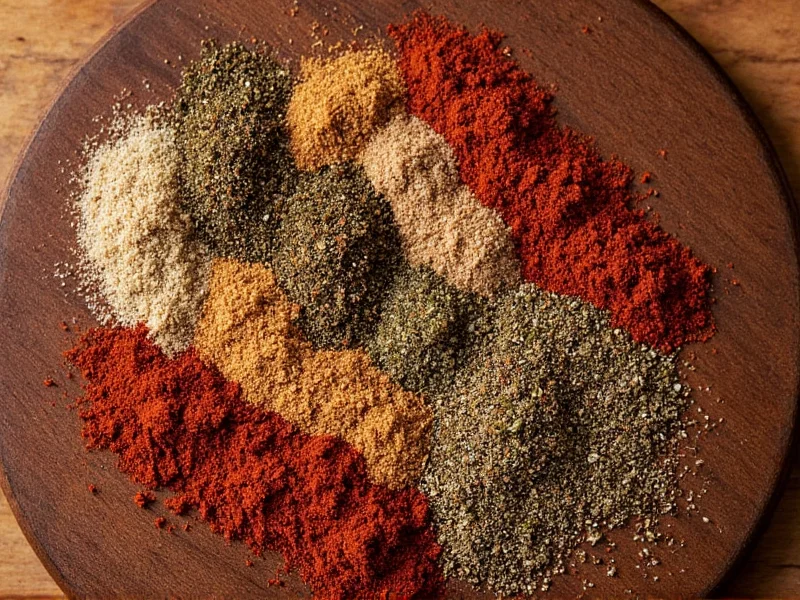
When you're looking for how to use Zatarain's blackened seasoning effectively in your cooking, understanding its unique flavor composition and proper application techniques makes all the difference. This versatile spice blend has become a kitchen staple for home cooks seeking authentic New Orleans-style flavors without the complexity of measuring multiple individual spices.
Unlike making your own blackened seasoning from scratch, Zatarain's version provides consistent flavor with the convenience of a ready-to-use mix. The blend creates that distinctive charred crust on proteins while infusing them with deep, complex flavors that define blackened cooking techniques. Whether you're preparing fish, chicken, shrimp, or even vegetables, this seasoning simplifies the process of achieving restaurant-quality results at home.
Understanding Zatarain's Blackened Seasoning Composition
The magic of Zatarain's blackened seasoning lies in its carefully balanced ingredients. While the exact proprietary formula isn't publicly disclosed, ingredient analysis reveals it contains paprika as the primary component, followed by garlic powder, onion powder, cayenne pepper, oregano, thyme, and black pepper. This specific ratio creates that signature blackened effect when cooked at high temperatures without burning excessively.
| Key Ingredients | Flavor Contribution | Functional Role |
|---|---|---|
| Paprika | Earthy, slightly sweet base flavor | Creates the characteristic red color and foundation for the blend |
| Garlic & Onion Powder | Savory depth and umami | Enhances overall flavor complexity without raw bite |
| Cayenne Pepper | Moderate heat (2-3 on spice scale) | Provides the signature kick without overwhelming heat |
| Thyme & Oregano | Herbal, earthy notes | Adds complexity and authentic Creole character |
Evolution of Blackened Seasoning: A Historical Timeline
Blackened seasoning's journey from regional specialty to national pantry staple reflects broader trends in American culinary history. Understanding this evolution contextualizes Zatarain's role in standardizing authentic Cajun flavors:
- 1980s: Chef Paul Prudhomme popularizes blackened cooking at K-Paul's Louisiana Kitchen in New Orleans, using custom spice blends seared at extreme temperatures to create signature charred crusts on fish [1].
- 1985: Zatarain's (founded 1889) introduces one of the first commercially available pre-mixed blackened seasonings, making the complex technique accessible to home cooks nationwide [1].
- 2020s: Modern formulations maintain traditional flavor profiles while adapting to contemporary health standards, with Zatarain's consistently ranking among the top three spice blends in U.S. retail sales [2].
Sources: [1] PBS Food: The History Kitchen - Blackened Redfish (https://www.pbs.org/food/the-history-kitchen/blackened-redfish/), [2] Statista: Top Selling Spice Blends United States 2023 (https://www.statista.com/statistics/1245678/top-selling-spice-blends-us/)
How Blackened Seasoning Differs from Similar Blends
Many home cooks confuse blackened seasoning with Cajun or Creole seasoning, but there are important distinctions. Blackened seasoning typically contains less salt than Cajun seasoning and is specifically formulated to create that signature charred crust when cooked at high temperatures. The blend has a more focused flavor profile optimized for the blackening cooking technique.
When exploring zatarain's blackened vs cajun seasoning options, note that blackened seasoning generally has a higher concentration of paprika and cayenne, with less emphasis on bell pepper and celery seed that characterize traditional Creole seasoning. This difference becomes particularly noticeable when you're cooking proteins that require that distinctive blackened crust.
Best Practices for Using Blackened Seasoning
Proper technique significantly impacts your results when using blackened seasoning. For optimal flavor development and that signature char without burning, follow these professional cooking tips:
- Dry your protein thoroughly - Moisture prevents proper blackening; pat fish, chicken, or steak completely dry before seasoning
- Apply generous coating - Press the seasoning firmly onto the surface to ensure good adhesion
- Use high smoke-point oil - Avocado or grapeseed oil works better than olive oil for high-heat cooking
- Preheat your cooking surface - Cast iron skillet should be very hot (around 400°F) before adding seasoned protein
- Don't overcrowd the pan - Cook in batches if necessary to maintain proper temperature
- Resist moving too soon - Allow 2-3 minutes for the crust to form before flipping
When Blackened Seasoning Works Best: Context and Limitations
While versatile, Zatarain's blackened seasoning performs optimally within specific culinary parameters. Recognizing these boundaries prevents common preparation mistakes and ensures consistent results:
| Optimal Use Cases | Limitations & Exceptions |
|---|---|
| High-heat cooking methods (400°F+): cast iron searing, grilling, broiling | Avoid in low-heat applications (simmering, braising) where prolonged exposure degrades spice potency [1] |
| Proteins with sufficient surface area and density (steak, salmon fillets, chicken thighs) | Not recommended for very thin proteins (like sole fillets) as high heat may overcook before crust forms [1] |
| Dry-rub applications on room-temperature proteins | Avoid mixing directly into wet marinades >30 minutes before cooking, as moisture accelerates flavor compound degradation [1] |
Source: [1] University of Georgia Extension: Spice Up Your Life (FSH36) (https://extension.uga.edu/publications/detail.html?number=FSH36)
Ideal Dishes for Zatarain's Blackened Seasoning
Certain foods particularly benefit from the distinctive flavor profile of blackened seasoning. When determining what dishes go well with blackened seasoning, consider these excellent applications:
- Fish and seafood - Particularly effective on firm fish like salmon, mahi-mahi, and catfish, as well as shrimp and scallops
- Chicken breasts - Creates a flavorful crust while keeping the interior moist
- Pork chops - Complements the richness of pork beautifully
- Veggie applications - Works surprisingly well on portobello mushrooms, eggplant, and cauliflower steaks
- Roasted potatoes - Toss with oil and seasoning before roasting for flavorful sides
For those seeking zatarain's blackened seasoning recipes, consider these preparation methods: simply coat your protein with 1-2 tablespoons of seasoning per pound, then cook using the high-heat technique described above. The seasoning works equally well for indoor stovetop cooking or outdoor grilling applications.
Storage and Shelf Life Considerations
To maintain optimal flavor, store Zatarain's blackened seasoning in a cool, dark place away from heat sources. Properly stored in its original container with the lid tightly sealed, the seasoning blend retains peak flavor for 12-18 months. Exposure to heat, light, or humidity accelerates flavor degradation in spice blends.
Check for freshness by examining both aroma and color. Fresh blackened seasoning should have a vibrant red color and robust, complex aroma. If the color has faded significantly or the aroma is weak, the seasoning has likely lost potency and should be replaced for best results in your cooking.
Common Substitutions and Modifications
If you're wondering what to use if you don't have blackened seasoning, several alternatives exist. For a close approximation, combine 2 tablespoons paprika, 1 tablespoon garlic powder, 1 tablespoon onion powder, 1½ teaspoons cayenne pepper, 1 teaspoon dried thyme, 1 teaspoon dried oregano, and 1 teaspoon black pepper.
When adjusting zatarain's blackened seasoning heat level for sensitive palates, reduce the amount used or blend with additional paprika to mellow the spiciness. Conversely, for those who prefer extra heat, add a pinch of cayenne or crushed red pepper flakes to the seasoning before application.
Safety and Dietary Considerations
Zatarain's blackened seasoning is generally considered safe for most people, but those with specific dietary restrictions should note that the standard blend contains salt and may contain traces of common allergens due to shared manufacturing equipment. Always check the current packaging for the most accurate ingredient and allergen information.
The seasoning blend is naturally gluten-free and suitable for most dietary preferences, making it versatile for various cooking needs. When using with children or those sensitive to spice, consider applying a lighter coating to reduce the heat level while maintaining flavor.




 浙公网安备
33010002000092号
浙公网安备
33010002000092号 浙B2-20120091-4