
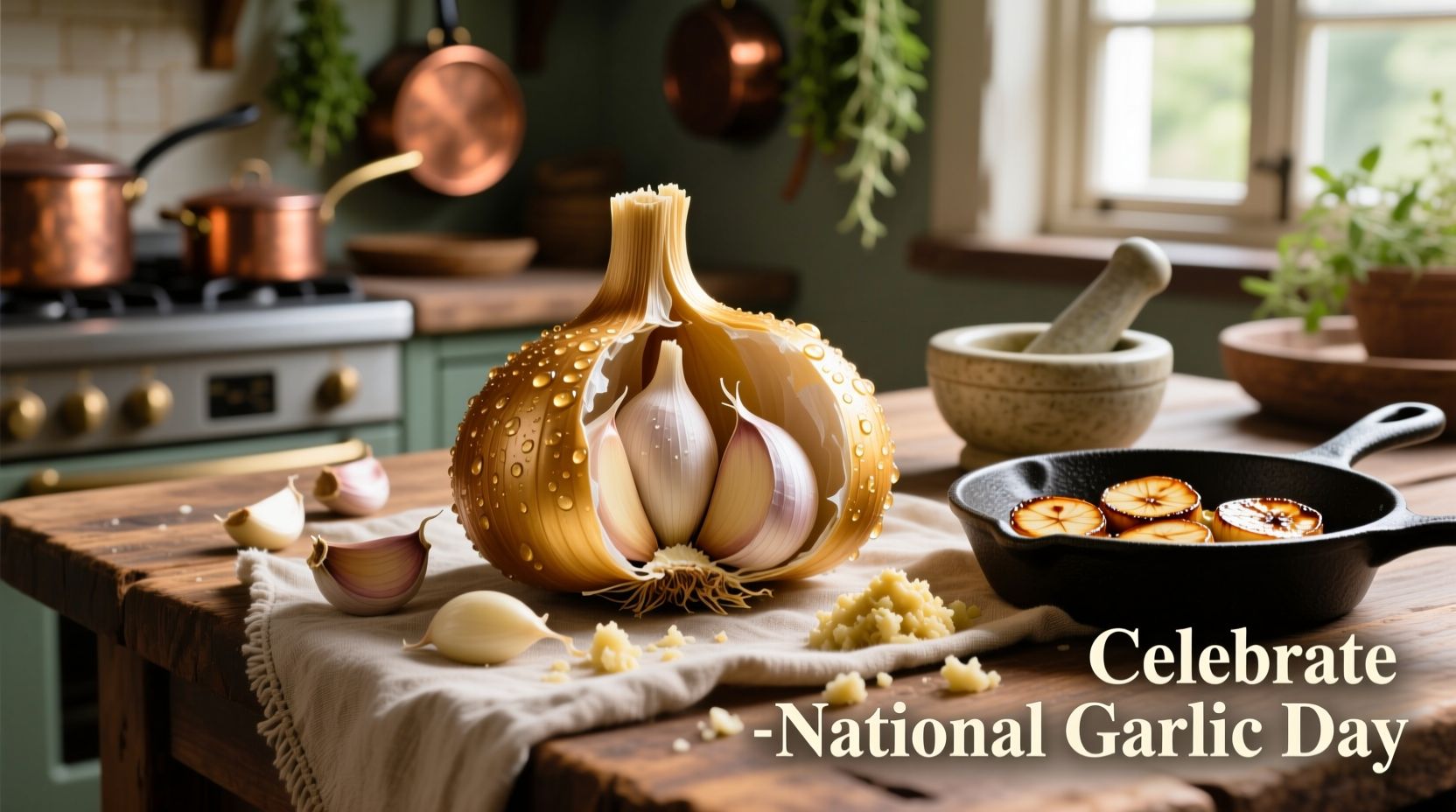
Garlic isn't just a kitchen staple—it's a cultural icon with a 5,000-year legacy. Whether you're a home cook or culinary enthusiast, understanding National Garlic Day helps you appreciate this versatile ingredient beyond mere flavor enhancement. Let's explore why garlic deserves its own celebration and how you can make the most of this aromatic occasion.
When and Why: The Origins of National Garlic Day
Observed every April 19th, National Garlic Day celebrates one of humanity's oldest cultivated crops. While the exact origin of this food holiday remains somewhat mysterious, food historians believe it emerged in the late 20th century as part of America's growing appreciation for culinary traditions and ingredient-focused celebrations.
| Historical Period | Garlic Significance | Cultural Impact |
|---|---|---|
| 3000 BCE | First documented cultivation in Mesopotamia | Used as currency and worker sustenance for Egyptian pyramid construction |
| Ancient Greece | Offered to Hecate at crossroads | Believed to provide strength and courage |
| Middle Ages | Widely used as medicinal treatment | Considered protection against plague and evil spirits |
| 19th Century | Scientific analysis begins | First documented antimicrobial properties |
This timeline reveals garlic's remarkable journey from ancient currency to modern superfood. According to research published in the Journal of Nutrition, garlic consumption dates back to at least 3000 BCE, with archaeological evidence showing its presence in Egyptian tombs and Babylonian records.
Why Garlic Matters: Science-Backed Benefits
Modern research confirms what ancient cultures intuitively knew—garlic offers remarkable health advantages. The USDA National Nutrient Database shows that a single raw garlic clove (3g) contains:
- 4.5 calories
- 1g carbohydrates
- 0.2g protein
- Significant manganese, vitamin B6, and selenium
- Allicin—the powerful organosulfur compound responsible for most health benefits
A comprehensive review in Advances in Nutrition (2020) analyzed 37 clinical trials, confirming garlic's role in supporting cardiovascular health through blood pressure regulation and cholesterol management. Unlike many food fads, garlic's benefits are backed by substantial scientific evidence spanning decades of research.
How to Celebrate National Garlic Day: Practical Guide
Transform your April 19th celebration with these authentic, chef-approved approaches that honor garlic's global heritage:
Cook with Intention
Don't just add garlic—master it. Professional chefs recommend:
- Raw applications: Use in dressings and sauces where its sharp, pungent qualities shine (aioli, toum, chimichurri)
- Gentle cooking: Sauté in olive oil over medium-low heat to develop sweetness without burning
- Roasting whole heads: Creates a spreadable, caramelized condiment perfect for bread or vegetables
Explore Global Garlic Traditions
Each culture has unique garlic preparations worth trying:
- Korean cuisine: Black garlic fermentation (aged 90 days for sweet, umami flavor)
- French tradition: Confit garlic in olive oil for delicate, spreadable cloves
- Middle Eastern approach: Raw garlic pounded with salt before adding liquids to emulsify sauces
Garlic Selection and Storage Guide
Not all garlic is created equal. Understanding varieties helps you choose the right type for your National Garlic Day celebration:
- Softneck varieties (most common in supermarkets): Longer storage life, multiple clove layers, milder flavor—ideal for braiding and everyday cooking
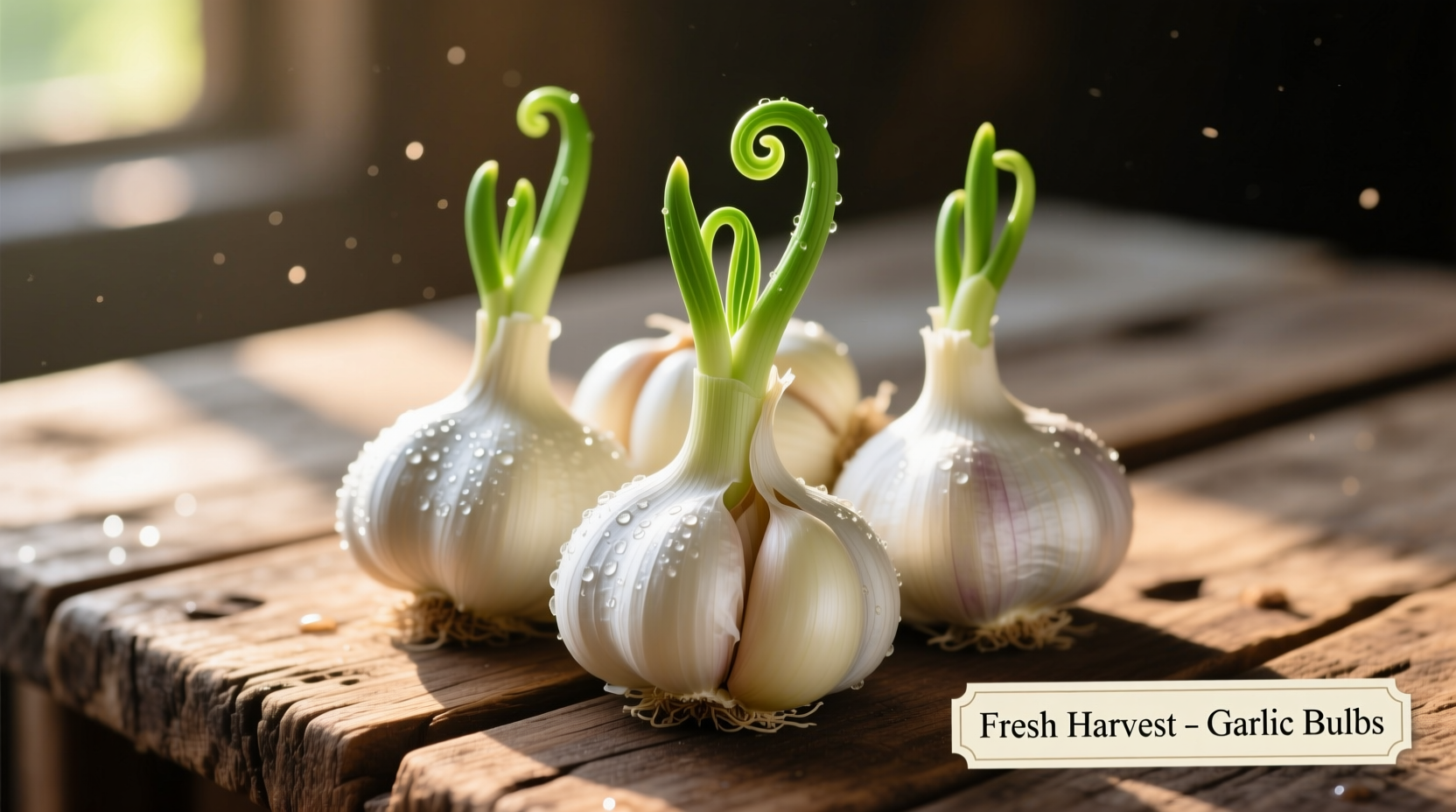
- Hardneck varieties (seasonal, farmer's markets): Fewer but larger cloves, more complex flavor, produces edible scapes in spring—perfect for special occasion cooking
- Solo garlic (single-clove variety): Intensely flavored, easier to peel—great for quick preparations
Proper storage significantly extends garlic's shelf life. The National Center for Home Food Preservation recommends keeping garlic in a cool (60-65°F), dark, well-ventilated space. Avoid refrigeration, which promotes sprouting and mold. Properly stored, hardneck garlic lasts 3-5 months while softneck varieties can remain fresh for 6-9 months.
Avoid Common Garlic Mistakes
Even experienced cooks make these garlic errors that diminish flavor and nutritional value:
- Burning garlic: Allicin breaks down at high temperatures, creating bitter compounds. Always cook garlic after onions and at medium-low heat.
- Using pre-minced jarred garlic: Loses 80% of its allicin content within hours of preparation. Freshly prepared garlic delivers maximum flavor and health benefits.
- Peeling too early: Garlic oxidizes quickly once peeled. Prepare just before use for optimal results.
For National Garlic Day, commit to using fresh, properly prepared garlic in at least one recipe. The difference in flavor complexity and health benefits makes this small effort worthwhile.
Celebrate with Purpose
National Garlic Day isn't just about indulging in garlic bread (though that's certainly acceptable!). It's an opportunity to connect with culinary history while supporting your health. Consider these meaningful celebration ideas:
- Plant garlic cloves in your garden (best planted in fall for next year's harvest)
- Visit a local farmers market to discover heirloom garlic varieties
- Try a traditional garlic-focused dish from another culture
- Share garlic-growing tips with neighbors to build community
Remember that garlic's benefits extend beyond individual health. Sustainable garlic cultivation supports biodiversity and soil health, making your National Garlic Day celebration environmentally conscious as well.




 浙公网安备
33010002000092号
浙公网安备
33010002000092号 浙B2-20120091-4