
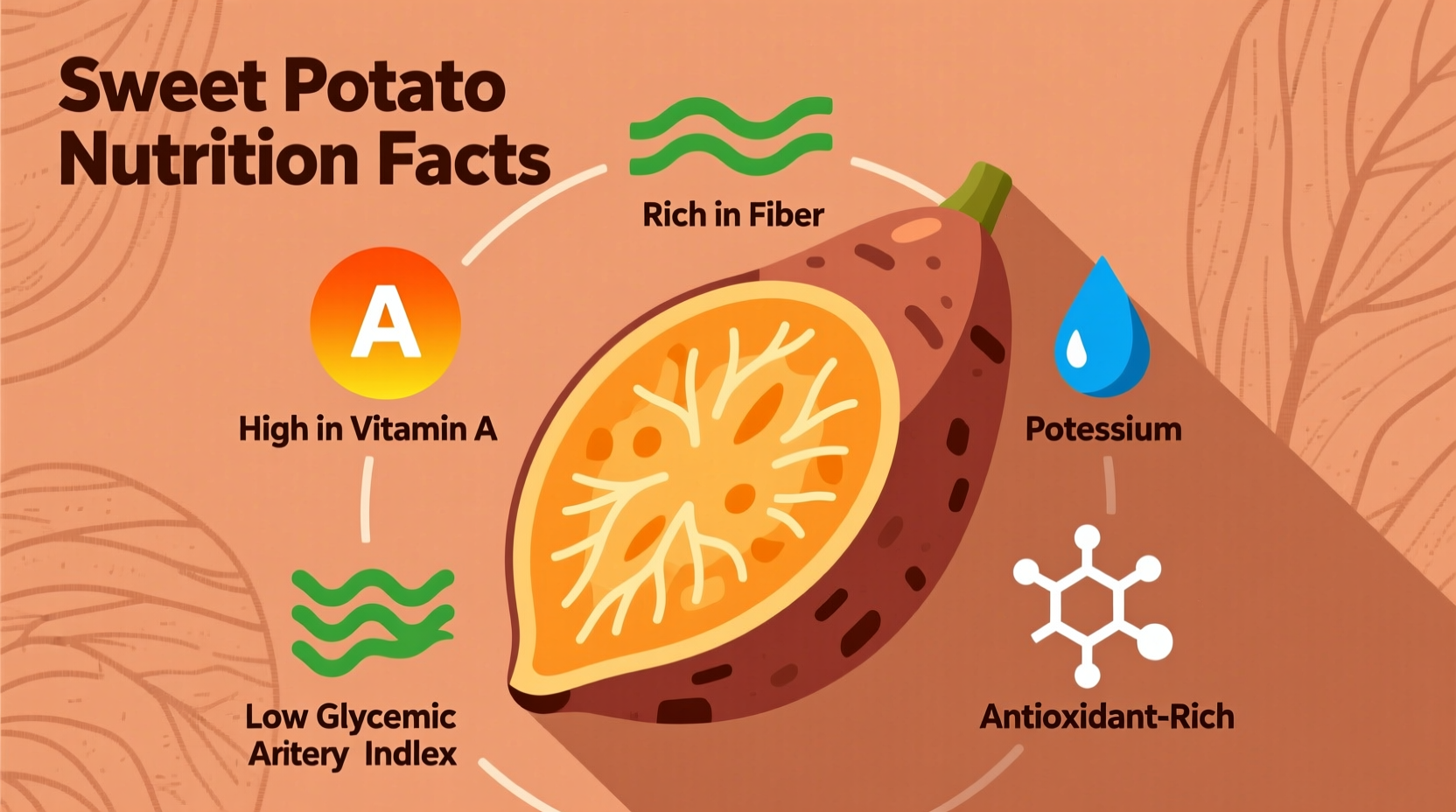
Discover why nutritionists consistently rank sweet potatoes among the top functional foods for balanced eating. Whether you're managing blood sugar, boosting immunity, or simply seeking nutrient-dense meal options, understanding the complete nutritional profile of this versatile root vegetable can transform your dietary choices.
What Makes Sweet Potatoes a Nutritional Powerhouse
Sweet potatoes stand out in the produce aisle for their exceptional nutrient density. Unlike many starchy vegetables, they deliver substantial vitamins and minerals while maintaining a moderate glycemic index of 44-61 depending on preparation method. The vibrant orange flesh signals high beta-carotene content, which your body converts to vitamin A—essential for vision, immune function, and skin health.
| Nutrient | Sweet Potato (130g) | Regular Potato (130g) | Difference |
|---|---|---|---|
| Calories | 103 | 110 | 7% lower |
| Vitamin A | 438% DV | 0% DV | Complete advantage |
| Fiber | 2.3g | 1.8g | 28% higher |
| Glycemic Index | 44-61 | 70-85 | Significantly lower |
| Vitamin C | 25% DV | 20% DV | 25% higher |
Data source: USDA FoodData Central
Key Health Benefits Backed by Research
The nutritional advantages of sweet potatoes translate to tangible health benefits supported by scientific research. A 2022 review published in Nutrients analyzed multiple studies showing that regular consumption of orange-fleshed sweet potatoes significantly improves vitamin A status in populations with deficiency. This is particularly crucial for vision health and immune function.
For blood sugar management, research from the Johns Hopkins Medicine indicates that sweet potatoes' moderate glycemic index and high fiber content create a slower glucose release compared to white potatoes. The soluble fiber pectin helps regulate blood sugar spikes, making them a smart choice for people with diabetes when portion-controlled.
Antioxidant compounds like anthocyanins (in purple varieties) and beta-carotene combat oxidative stress. A longitudinal study tracking 50,000 healthcare professionals found those consuming beta-carotene rich foods like sweet potatoes had 15% lower risk of developing certain chronic conditions over a 10-year period.
Maximizing Nutrient Retention: Preparation Methods That Matter
How you prepare sweet potatoes significantly impacts their nutritional value. Contrary to popular belief, boiling preserves more antioxidants than baking. Research from the National Institutes of Health shows boiling retains up to 92% of beta-carotene, while baking can reduce levels by 30-40% due to higher heat exposure.
Here's a practical guide to nutrient-preserving preparation:
- Boiling: Cut into 1-inch cubes and boil for 7-10 minutes. Retains maximum water-soluble vitamins and antioxidants.
- Steaming: Preserves texture while maintaining 85% of vitamin C content compared to 70% with baking.
- Microwaving: Cook whole for 5-7 minutes for minimal nutrient loss and fastest preparation.
- Avoid deep-frying: Significantly increases calorie density while reducing beneficial compounds.
Always consume sweet potatoes with a small amount of healthy fat (like olive oil or avocado) to enhance absorption of fat-soluble vitamins A, E, and K.
When Sweet Potatoes Might Not Be Your Best Option
While generally beneficial, sweet potatoes have specific context boundaries worth noting. People on kidney-restricted diets should monitor portions due to the potassium content (approximately 475mg per medium potato). Those taking beta-blockers for heart conditions often need to regulate potassium intake carefully.
The oxalate content in sweet potatoes (about 20-30mg per serving) is moderate compared to spinach (750mg) but could be a consideration for individuals prone to calcium-oxalate kidney stones. Cooking methods like boiling can reduce oxalate levels by up to 30-40%.
For strict low-carb diets, sweet potatoes contain approximately 27g of carbohydrates per medium potato, making them less suitable than non-starchy vegetables like broccoli or zucchini when carb intake must be severely restricted.
Practical Ways to Incorporate Sweet Potatoes Daily
Transform your meals with these simple, nutrient-preserving strategies:
- Morning boost: Replace toast with sweet potato "toast" slices topped with almond butter and chia seeds for sustained energy.
- Lunch enhancement: Add cubed, boiled sweet potatoes to salads instead of croutons for fiber and vitamins without the blood sugar spike.
- Smart snacking: Roast sweet potato wedges with rosemary instead of regular French fries for a potassium-rich alternative.
- Dinner transformation: Use mashed sweet potatoes as a nutrient-dense base for shepherd's pie instead of traditional potatoes.
Remember that variety matters—rotate between orange, purple, and white-fleshed varieties to benefit from different phytonutrient profiles. Purple sweet potatoes contain anthocyanins with additional antioxidant properties, while white varieties offer a lower sugar option.
Debunking Common Sweet Potato Myths
Myth: Sweet potatoes are too high in sugar for diabetics.
Fact: With a glycemic index of 44-61 (compared to 70-85 for white potatoes) and high fiber content, sweet potatoes cause a more gradual blood sugar rise when prepared properly. The American Diabetes Association lists them as a diabetes superfood.
Myth: The skin should always be removed.
Fact: The skin contains additional fiber and nutrients. Simply scrub thoroughly and keep the skin on for maximum nutritional benefit, provided the potatoes are organically grown.
Myth: All sweet potatoes are created equal.
Fact: Orange-fleshed varieties excel in vitamin A, purple varieties offer anthocyanins, and white varieties provide a lower-sugar option. Choose based on your specific nutritional goals.
Your Sweet Potato Nutrition Questions Answered
Understanding the complete nutritional picture helps you make informed dietary choices. Whether you're optimizing for athletic performance, managing health conditions, or simply seeking nutrient-dense foods, sweet potatoes offer remarkable versatility and benefits when incorporated thoughtfully into your eating pattern.




 浙公网安备
33010002000092号
浙公网安备
33010002000092号 浙B2-20120091-4