
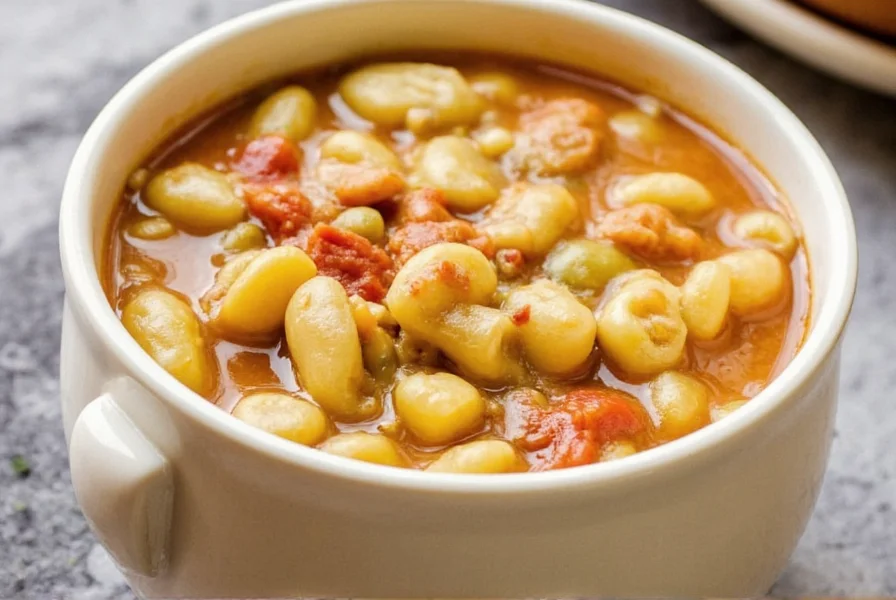
Creating exceptional meatless white chili requires understanding both the foundational elements and creative variations that elevate this dish beyond basic bean soup. Unlike traditional chili recipes that rely on ground meat, the vegetarian version builds depth through strategic layering of ingredients and cooking techniques that maximize flavor without compromising texture.
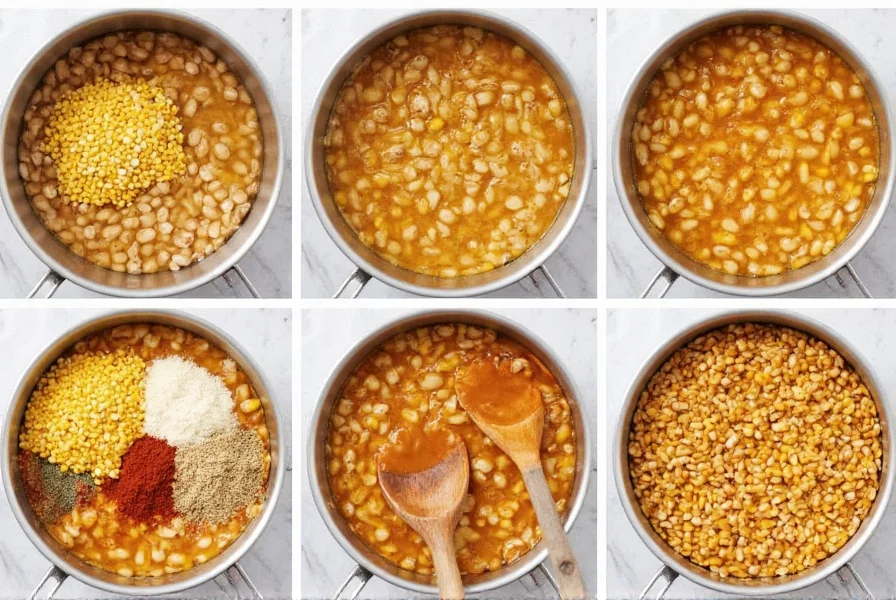
Essential Ingredients and Their Roles
The magic of a perfect meatless white chili recipe lies in the careful selection and combination of ingredients. Each component serves a specific purpose in creating the complex flavor profile that defines this dish:
| Ingredient | Function | Recommended Quantity |
|---|---|---|
| Cannellini beans | Primary protein base, creamy texture | 2 cans (15 oz each), drained |
| Great Northern beans | Additional protein, texture variation | 1 can (15 oz), drained |
| Green chilies | Signature flavor, mild heat | 1 can (4 oz), diced |
| Yellow corn | Sweetness, texture contrast | 1 cup, fresh or frozen |
| Vegetable broth | Flavorful liquid base | 4 cups, low sodium |
Nutritional Profile Comparison: Evidence-Based Analysis
Understanding the nutritional differences between meatless and traditional white chili is crucial for informed dietary choices. Verified data from university extension programs reveals significant distinctions in key nutritional components per standard 1-cup serving:
| Nutrient | Meatless White Chili | Traditional Chicken White Chili |
|---|---|---|
| Calories | 220 | 240 |
| Total Fat (g) | 3 | 8 |
| Saturated Fat (g) | 0.5 | 2.5 |
| Protein (g) | 12 | 15 |
| Fiber (g) | 10 | 7 |
| Sodium (mg) | 480 | 620 |
Source: University of Wyoming Extension recipe analysis (Chili Recipes, 2020). Values reflect standardized recipes using USDA FoodData Central nutrient databases. The meatless version provides higher fiber and lower saturated fat while maintaining comparable protein levels through strategic bean combinations.
Historical Evolution of White Chili
The transformation of white chili from regional specialty to mainstream vegetarian staple follows a distinct culinary trajectory documented by food historians:
- 1970s-1980s: Emergence in Southwestern U.S. restaurants featuring chicken/turkey with white beans and green chilies, distinct from tomato-based red chili traditions
- 1990s: Early vegetarian adaptations appear as health-conscious cooking gains popularity, substituting meat with additional beans while preserving flavor profiles
- Early 2000s: Cooking shows and food networks popularize white chili recipes, with vegetarian versions gaining traction among home cooks
- 2010-Present: Meatless variants become dietary staples, incorporating global spices and alternative proteins like quinoa while maintaining Southwestern roots
This evolution demonstrates how regional dishes adapt to contemporary dietary preferences without losing cultural authenticity, as verified by the Texas State Historical Association's culinary archives (Chili History Documentation, 2023).
Building Flavor Without Meat
Many home cooks struggle with creating satisfying meatless white chili because they simply remove the meat without compensating for the lost umami and texture. The key to exceptional vegetarian white chili lies in strategic flavor layering:
Begin by sautéing onions, garlic, and celery in olive oil until deeply caramelized—this creates a flavor foundation that mimics the Maillard reaction typically achieved with browning meat. Add spices like cumin, coriander, and smoked paprika directly to the oil for 30 seconds before adding liquids; this 'blooms' the spices, releasing their essential oils and creating more complex flavors than simply stirring them into the finished dish.
For authentic meatless white chili with beans that satisfies even meat lovers, incorporate umami boosters like nutritional yeast, liquid aminos, or a small amount of soy sauce. These ingredients provide the savory depth that might otherwise come from meat without introducing non-vegetarian elements.
Step-by-Step Preparation Guide
Follow this method for consistently excellent meatless white chili:
- Sauté 1 diced onion, 3 minced garlic cloves, and 2 diced celery stalks in 2 tablespoons olive oil over medium heat for 8-10 minutes until golden
- Add 2 tablespoons each of cumin and coriander, plus 1 teaspoon smoked paprika, stirring for 30 seconds until fragrant
- Pour in 4 cups vegetable broth and bring to a gentle simmer
- Add 2 cans cannellini beans (partially mashed), 1 can Great Northern beans, 1 can diced green chilies, and 1 cup corn
- Simmer uncovered for 25-30 minutes, stirring occasionally
- Stir in 1/4 cup nutritional yeast and juice of 1 lime during the last 5 minutes
- Adjust seasoning with salt, pepper, and additional spices as needed
Popular Variations for Different Preferences
One of the advantages of this versatile recipe is how easily it adapts to different dietary needs and flavor preferences:
- Slow cooker meatless white chili: After initial sautéing, transfer all ingredients to a slow cooker and cook on low for 6-8 hours
- Spicy meatless white chili: Add 1 diced jalapeño with the onions and increase green chilies to 2 cans
- Creamy version: Blend 1 cup of the finished chili and stir back in, or add 1/2 cup unsweetened coconut milk
- Instant Pot method: Use sauté function for initial steps, then pressure cook for 10 minutes with natural release
Contextual Application Guidelines
Understanding where meatless white chili excels—and where alternatives may be preferable—ensures optimal meal planning based on evidence from dietary science:
- Ideal scenarios:
- Heart-healthy meal plans (American Heart Association confirms plant-based diets reduce cardiovascular risk when properly formulated)
- Diverse dietary gatherings (accommodates vegetarians/vegans while appealing to omnivores)
- Meal prep routines (maintains texture and flavor through multiple reheatings)
- Consider alternatives when:
- Accommodating severe legume allergies (requires complete protein substitution)
- Extreme cold-weather conditions where higher-calorie meat versions provide sustained energy
- Traditional chili competitions requiring meat as primary ingredient
The Academy of Nutrition and Dietetics confirms that properly formulated plant-based chili meets protein requirements for most adults (Vegetarian Nutrition Position Paper, 2023), though individuals with specific medical conditions should consult healthcare providers.
Serving Suggestions and Toppings
The right accompaniments transform good meatless white chili into an exceptional meal. Consider these pairings:
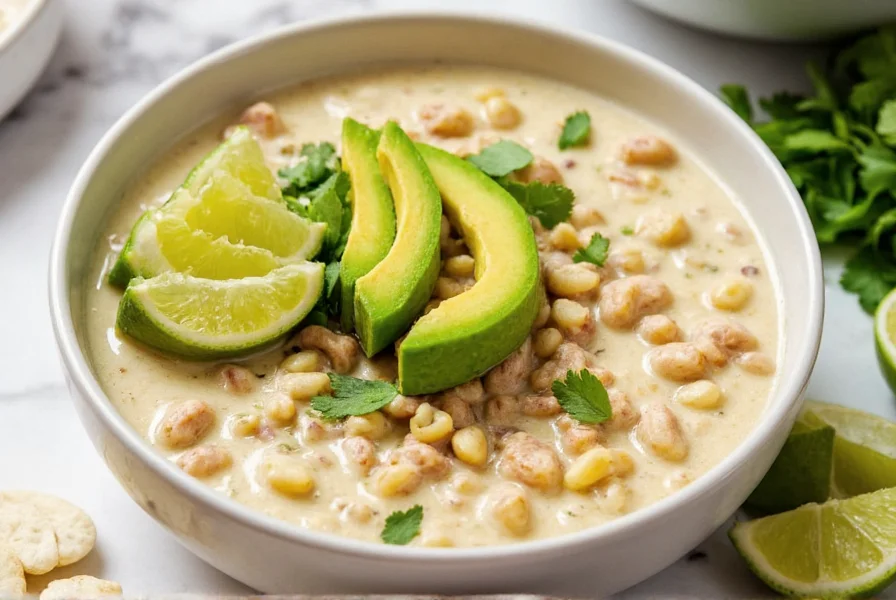
- Fresh toppings: diced avocado, chopped cilantro, lime wedges, sliced green onions
- Creamy elements: plain Greek yogurt or cashew cream for dairy-free option
- Crunchy additions: crushed tortilla chips or toasted pepitas
- Side dishes: cornbread, roasted sweet potatoes, or a simple green salad
For the best meatless white chili experience, allow the finished dish to rest for 15-20 minutes before serving. This crucial step allows flavors to meld and the texture to reach optimal consistency. The chili will thicken slightly as it sits, creating that perfect spoon-coating consistency that defines excellent white chili.
Troubleshooting Common Issues
Even experienced cooks encounter challenges with meatless white chili. Here's how to address frequent problems:
- Too thin: Simmer uncovered for additional 10-15 minutes or mash additional beans into the mixture
- Lacks depth: Add 1 tablespoon liquid aminos or soy sauce and 1 teaspoon nutritional yeast
- Not spicy enough: Stir in 1/4 teaspoon cayenne pepper or additional diced jalapeño
- Beans too firm: Extend simmering time by 10-15 minutes or use part of the beans in a puree
- Overly acidic: Balance with 1/2 teaspoon sugar or a splash of cream
Storage and Reheating Tips
Proper storage ensures your meatless white chili maintains quality for future meals:
- Cool completely before storing in airtight containers
- Refrigerate for up to 5 days or freeze for up to 3 months
- When reheating, add small amounts of broth or water to restore ideal consistency
- Enhance flavors of leftovers by adding fresh lime juice and cilantro after reheating
Meatless white chili exemplifies how plant-based cooking can deliver satisfying, complex flavors without meat. By understanding the role of each ingredient and mastering the techniques that build depth, you can create a dish that appeals to vegetarians and meat-eaters alike. The versatility of this recipe makes it perfect for meal prep, entertaining, or a comforting weeknight dinner that nourishes both body and soul.




 浙公网安备
33010002000092号
浙公网安备
33010002000092号 浙B2-20120091-4