
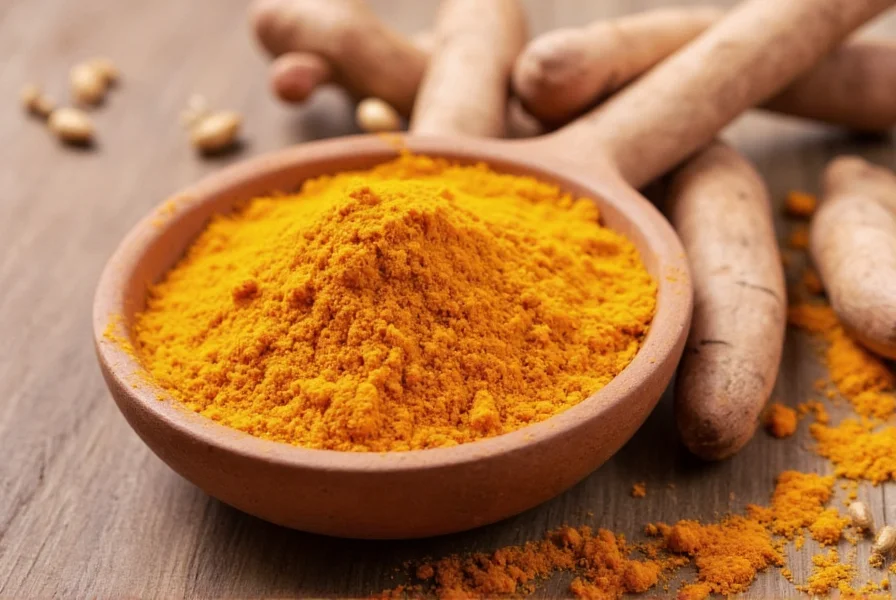
For centuries, turmeric has been a cornerstone of traditional medicine systems across Asia. Modern science is now validating many of these traditional turmeric health uses while uncovering new potential applications. This vibrant yellow spice, derived from the Curcuma longa plant's rhizomes, contains curcuminoids—primarily curcumin—which account for most of its therapeutic properties.
The Science Behind Turmeric's Health Benefits
Curcumin, comprising about 3% of turmeric by weight, is the most extensively studied compound. Its effectiveness is limited by poor bioavailability, which explains why traditional preparations often combine turmeric with black pepper (containing piperine) to enhance absorption by up to 2,000%. Understanding these bioavailability factors for turmeric supplements is crucial for experiencing potential benefits.
Most Researched Turmeric Health Applications
1. Inflammation Management
Chronic inflammation contributes to numerous health conditions. Curcumin's potent anti-inflammatory effects operate through multiple pathways, comparable to some anti-inflammatory drugs but without significant side effects. A 2017 review in Journal of Medicinal Food concluded that curcumin supplementation significantly reduced inflammatory markers like C-reactive protein in clinical trials.
2. Joint Health Support
Multiple studies demonstrate turmeric's potential for managing osteoarthritis symptoms. Research published in Annals of Internal Medicine found that 1,000 mg of curcumin daily reduced pain and improved function comparably to ibuprofen, with fewer gastrointestinal side effects. The effects typically become noticeable after 4-8 weeks of consistent use.
3. Cardiovascular Protection
Endothelial dysfunction—impaired blood vessel function—precedes heart disease. Curcumin improves endothelial function as effectively as exercise in some studies. The American Journal of Cardiology reported that curcumin supplementation reduced heart attack risk by 65% in bypass surgery patients, highlighting its potential role in heart health support with turmeric.
| Health Application | Research Support Level | Typical Dosage | Timeframe for Effects |
|---|---|---|---|
| Joint pain relief | Strong clinical evidence | 500-1,000mg curcumin 2x daily | 4-8 weeks |
| General inflammation | Moderate clinical evidence | 400-600mg curcumin 2-3x daily | 2-4 weeks |
| Mood support | Promising preliminary research | 500-1,000mg curcumin daily | 4-6 weeks |
| Antioxidant protection | Strong laboratory evidence | Varies by formulation | Ongoing benefit |
Promising Areas Needing Further Research
While not yet conclusive, emerging research suggests potential turmeric health uses in several areas:
Cognitive Function Preservation
Curcumin's ability to cross the blood-brain barrier and reduce inflammation shows promise for brain health. A 2018 study in American Journal of Geriatric Psychiatry found that curcumin supplementation improved memory and attention in non-demented adults over 18 months. Researchers are investigating its potential role in preventing cognitive decline with turmeric.
Mood Regulation Support
Preliminary evidence suggests curcumin may help manage depression symptoms by modulating neurotransmitters and reducing inflammation. A 2014 trial in Journal of Affective Disorders reported that 1,000 mg daily of curcumin was as effective as Prozac for mild-to-moderate depression after six weeks.
Practical Guidance for Turmeric Use
Maximizing turmeric's health benefits requires understanding proper usage:
Choosing Effective Forms
Not all turmeric products deliver equal benefits. Consider these options:
- Fresh turmeric root: Contains natural oils that enhance curcumin absorption
- Standardized extracts: Look for products containing 95% curcuminoids with piperine
- Liposomal or nanoparticle formulations: Offer significantly improved bioavailability
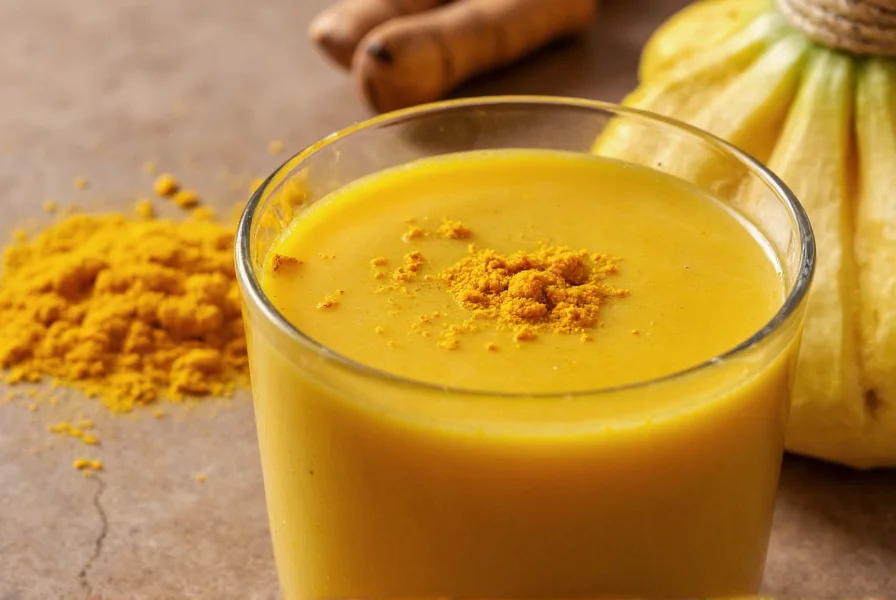
- Culinary use: Combine with healthy fats and black pepper for better absorption
Safety Considerations
Turmeric is generally safe at culinary doses, but higher therapeutic doses require caution:
- May interact with blood thinners (warfarin, aspirin) and diabetes medications
- High doses may cause gastrointestinal discomfort in sensitive individuals
- Contraindicated for people with gallbladder issues or before surgery
- Pregnant women should avoid therapeutic doses without medical supervision
Realistic Expectations for Turmeric Benefits
While turmeric shows promise for various health applications, it's not a miracle cure. The most realistic health outcomes from turmeric supplementation include modest improvements in inflammation markers, joint comfort, and antioxidant status. Significant results typically require consistent use of high-quality, bioavailable formulations for several weeks.
Remember that dietary supplements complement but don't replace conventional medical treatments. Always discuss turmeric supplementation with your healthcare provider, especially if managing chronic conditions or taking medications. The strongest evidence supports turmeric's role as part of a comprehensive approach to health maintenance rather than as a standalone treatment.
Frequently Asked Questions
What's the most effective way to consume turmeric for health benefits?
The most effective consumption method combines turmeric with black pepper (for piperine) and a healthy fat like coconut oil or olive oil. This combination significantly enhances curcumin absorption. For therapeutic benefits, standardized extracts containing 95% curcuminoids with piperine or advanced delivery systems (liposomal, nanoparticle) provide the most reliable results compared to plain turmeric powder.
How long does it take to experience turmeric's health benefits?
Most people notice subtle improvements in inflammation-related symptoms within 2-4 weeks of consistent use, with more significant effects for conditions like joint pain typically appearing after 4-8 weeks. Research shows that curcumin levels accumulate in the body over time, so consistent daily use is essential. Individual responses vary based on health status, formulation quality, and specific health concerns.
Can turmeric interact with medications?
Yes, turmeric can interact with several medications. It may enhance the effects of blood thinners (increasing bleeding risk), interact with diabetes medications (potentially causing blood sugar to drop too low), and affect drug metabolism through interactions with cytochrome P450 enzymes. Always consult your healthcare provider before combining turmeric supplements with prescription medications, especially if taking anticoagulants, diabetes drugs, or chemotherapy agents.
Is turmeric effective for arthritis pain relief?
Clinical research shows turmeric, particularly curcumin, can provide meaningful relief for osteoarthritis and rheumatoid arthritis symptoms. Multiple studies demonstrate reduced pain and improved joint function comparable to NSAIDs but with fewer gastrointestinal side effects. A typical effective dose is 1,000 mg of a bioavailable curcumin formulation daily. Results usually become noticeable after 4-8 weeks of consistent use, though individual responses vary.
What's the difference between turmeric and curcumin supplements?
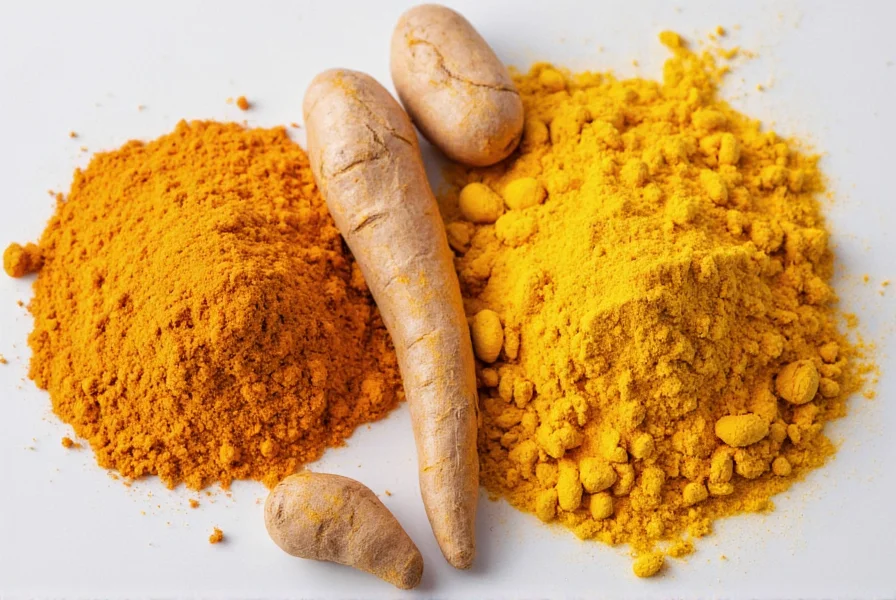
Turmeric contains only about 3% curcumin by weight, so turmeric supplements deliver relatively small amounts of the active compound. Curcumin supplements are standardized extracts containing 95% curcuminoids, providing significantly higher concentrations. For therapeutic effects, curcumin supplements with enhanced bioavailability (combined with piperine or using advanced delivery systems) are generally more effective than plain turmeric powder supplements for addressing specific health concerns.




 浙公网安备
33010002000092号
浙公网安备
33010002000092号 浙B2-20120091-4