
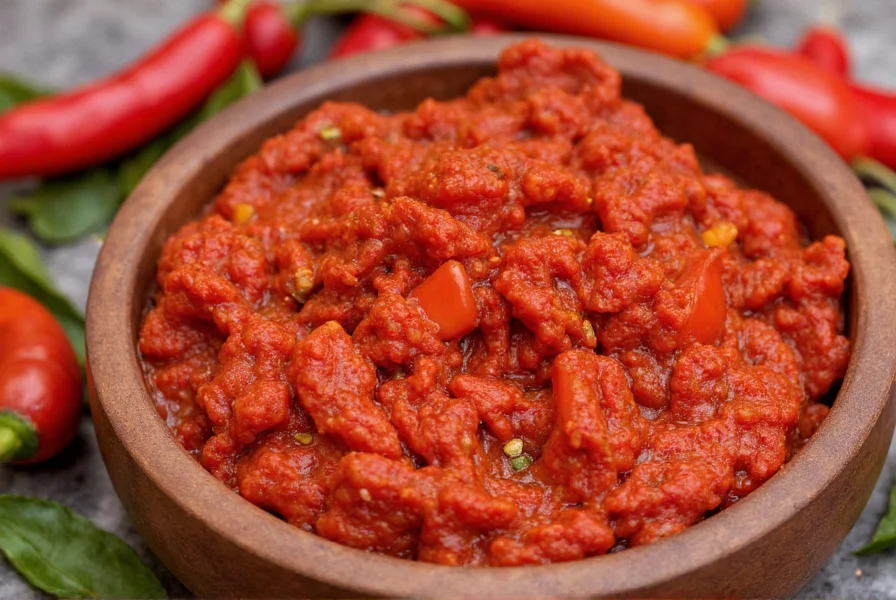
Thai cuisine's vibrant flavor profile relies heavily on chili pastes, which serve as both cooking ingredients and table condiments. Unlike generic 'chili paste' products found globally, authentic Thailand chili paste varieties are region-specific and purpose-built for particular dishes. Understanding these distinctions helps home cooks achieve genuine Thai flavors while avoiding common substitutions that compromise authenticity.
Major Types of Thailand Chili Paste
Thailand's regional diversity produces distinct chili paste varieties, each with unique ingredients and applications. The most prominent include:
| Paste Name | Primary Ingredients | Heat Level | Common Uses |
|---|---|---|---|
| Nam Prik Pao | Roasted chilies, garlic, shallots, shrimp paste, tamarind, palm sugar | Moderate-Hot | Stir-fries, noodle dishes, dipping sauce base |
| Nam Prik Noom | Green chilies, shallots, garlic, fish sauce | Medium | Accompaniment to vegetables, grilled meats |
| Nam Prik Ong | Red chilies, pork, tomatoes, fermented soybeans | Mild-Medium | Northern Thai dishes, served with sticky rice |
| Nam Prik Kapi | Shrimp paste, chilies, garlic, lime juice | Variable | Seafood accompaniment, vegetable dip |
Authentic Ingredients and Flavor Development
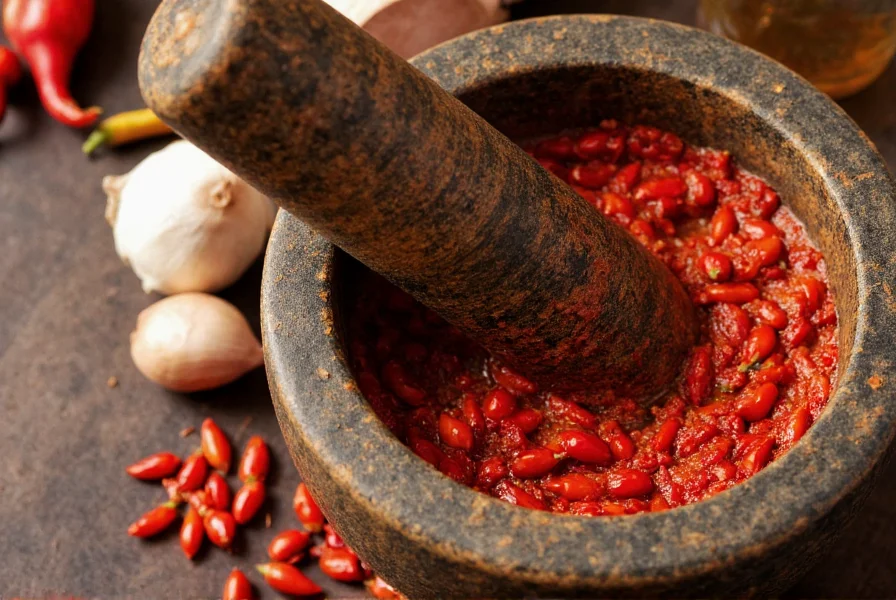
The magic of traditional Thailand chili paste lies in ingredient quality and preparation technique. Authentic nam prik pao requires roasting fresh bird's eye chilies until blistered, which develops complex caramelized notes. Traditional mortar-and-pestle preparation releases essential oils differently than food processors, creating superior texture and flavor integration. Key components include:
- Fresh chilies - Typically prik chee fa (mild) and prik bon (hot) varieties
- Fermented ingredients - Nam pla (fish sauce) or kapi (shrimp paste) for umami depth
- Natural sweeteners - Palm sugar rather than refined sugar
- Aromatic bases - Shallots and garlic fried until golden
Vegetarian adaptations substitute shrimp paste with soy-based alternatives, though this creates a different flavor profile than traditional preparations. Understanding these authentic thailand chili paste ingredients helps identify quality commercial products when homemade isn't feasible.
Cultural Context in Thai Cooking
Chili pastes function as culinary building blocks rather than mere condiments in Thai cuisine. Regional variations reflect local agricultural products and historical trade influences. Central Thailand's nam prik pao incorporates Chinese-influenced techniques with its roasted elements, while Northern Thailand's nam prik ong shows Burmese influences through its tomato content.
Traditional preparation methods significantly impact flavor development. The slow roasting process for nam prik pao creates Maillard reaction compounds that artificial coloring cannot replicate. This explains why understanding traditional thailand chili paste preparation techniques matters for authentic results. Many commercial products shortcut these processes, resulting in one-dimensional heat without the characteristic sweet-smoky complexity.
Historical Evolution of Thailand Chili Paste
The development of nam prik reflects Thailand's culinary adaptation. Verified milestones include:
- 16th Century: Chilies introduced to Thailand by Portuguese traders, gradually replacing native peppers. Source: University of California Agriculture and Natural Resources Research
- Late 18th Century: Shrimp paste (kapi) becomes standardized in Central Thai recipes. Source: FAO: Fermented Fish Products in Southeast Asia
- 19th Century: Regional variations solidify with Burmese-influenced nam prik ong in Northern Thailand. Source: Journal of Japanese Ethnological Society
- 1980s-Present: Nam prik pao gains global prominence as Thai cuisine expands internationally. Source: BBC: How Thai Food Conquered the World
Practical Usage Guide
When incorporating Thailand chili paste into cooking, consider these professional techniques:
- Building flavor bases - Sauté 1-2 tablespoons in oil before adding proteins or vegetables
- Adjusting heat levels - Add gradually, tasting as you go (authentic pastes intensify when cooked)
- Creating balanced sauces - Combine with lime juice and fish sauce for dipping sauces
- Marinating proteins - Mix with coconut milk for less intense heat penetration
For those exploring authentic thai chili paste recipes, start with simple applications like mixing nam prik pao into coconut-based curries or using nam prik kapi as a seafood dip. The paste's concentrated flavor means small amounts significantly impact dishes. When substituting, remember that Southeast Asian chili pastes differ fundamentally from Mexican salsas or Chinese chili oils in both composition and culinary function.
Contextual Applications and Limitations
Authentic usage requires understanding specific constraints. Verified boundaries include:
- Regional Authenticity: Nam prik ong should not substitute nam prik pao in Central Thai dishes due to incompatible tomato bases. Source: Tourism Authority of Thailand: Official Thai Cooking Standards
- Dietary Restrictions: Traditional versions contain shrimp paste, making them unsuitable for vegetarians. Thai FDA requires "vegetarian" labeling for animal-free alternatives. Source: Thai FDA: Food Labeling Regulations
- Ingredient Integrity: Palm sugar must replace refined sugar to achieve authentic caramelization. Source: Thai Department of Agricultural Extension: Traditional Ingredient Guidelines
- Preservation Limits: Homemade versions without preservatives last ≤3 weeks refrigerated per food safety standards. Source: Thai Department of Agriculture: Food Safety Protocols
Making Thailand Chili Paste at Home
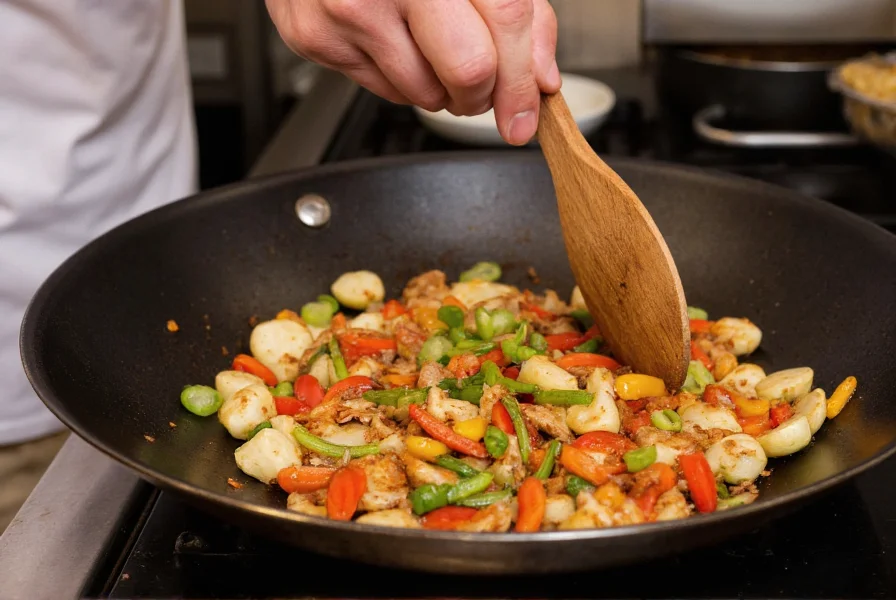
Creating homemade thailand chili paste requires attention to ingredient ratios and cooking technique. For basic nam prik pao:
Dry roast 10 dried chilies, 6 shallots, and 4 garlic cloves until fragrant. Soak chilies in warm water for 15 minutes. Pound ingredients with 1 tablespoon shrimp paste, 1 teaspoon tamarind paste, and 2 tablespoons palm sugar using a mortar and pestle. Slowly fry the mixture in 2 tablespoons oil for 15-20 minutes until darkened and oil separates. This traditional preparation method develops flavors that quick food processor versions miss.
Proper storage maintains quality - refrigerate in airtight containers for up to 3 weeks or freeze in ice cube trays for longer preservation. The oil separation that occurs during proper preparation acts as a natural preservative layer. Understanding thailand chili paste storage tips ensures maximum shelf life without compromising flavor.
Selecting Quality Commercial Products
When homemade isn't practical, identifying authentic products requires label scrutiny. Look for:
- Minimal ingredients without artificial colors or preservatives
- Shrimp paste (kapi) or fish sauce as umami sources rather than MSG
- Palm sugar rather than corn syrup
- Regional specificity ("nam prik pao" rather than generic "Thai chili paste")
Avoid products listing "chili garlic sauce" as primary ingredients, as this indicates Chinese rather than Thai formulation. Authentic thailand chili paste brands typically originate from Thailand with Thai-language labeling. The consistency should be thick but spreadable, not watery or overly oily.
Frequently Asked Questions
What's the difference between nam prik pao and regular chili paste?
Nam prik pao specifically refers to Thailand's roasted chili jam featuring caramelized chilies, garlic, shallots, and shrimp paste. Regular chili paste often lacks the roasting process and complex ingredient balance, resulting in one-dimensional heat without the characteristic sweet-smoky depth of authentic Thai versions.
Can I substitute sriracha for Thailand chili paste?
Sriracha makes a poor substitute as it's vinegar-forward with garlic dominance, lacking the roasted chili depth and umami complexity of authentic Thailand chili paste. For closer approximation, mix regular chili paste with roasted garlic, a touch of tamarind, and fish sauce, though results won't match traditional preparation methods.
Is Thailand chili paste gluten-free?
Traditional Thailand chili paste is naturally gluten-free as it contains no wheat products. However, some commercial versions may include soy sauce containing wheat. Always check labels for "gluten-free" certification if required, as cross-contamination can occur in facilities processing wheat-containing products.
How spicy is authentic Thailand chili paste?
Authentic Thailand chili paste ranges from medium to hot depending on variety and preparation. Nam prik pao typically registers 5,000-15,000 Scoville units, milder than pure bird's eye chilies but hotter than many Western chili sauces. The heat balances with sweet and sour elements, creating complex flavor rather than单纯的 intense spiciness.
What dishes commonly use Thailand chili paste?
Thailand chili paste features in pad kra pao (basil stir-fry), kao soi (Northern curry noodle soup), and as a dipping sauce base for spring rolls. Chefs also incorporate it into marinades, salad dressings, and even creative applications like chili paste aioli. Understanding traditional thailand chili paste applications helps recreate authentic Thai restaurant flavors at home.




 浙公网安备
33010002000092号
浙公网安备
33010002000092号 浙B2-20120091-4