
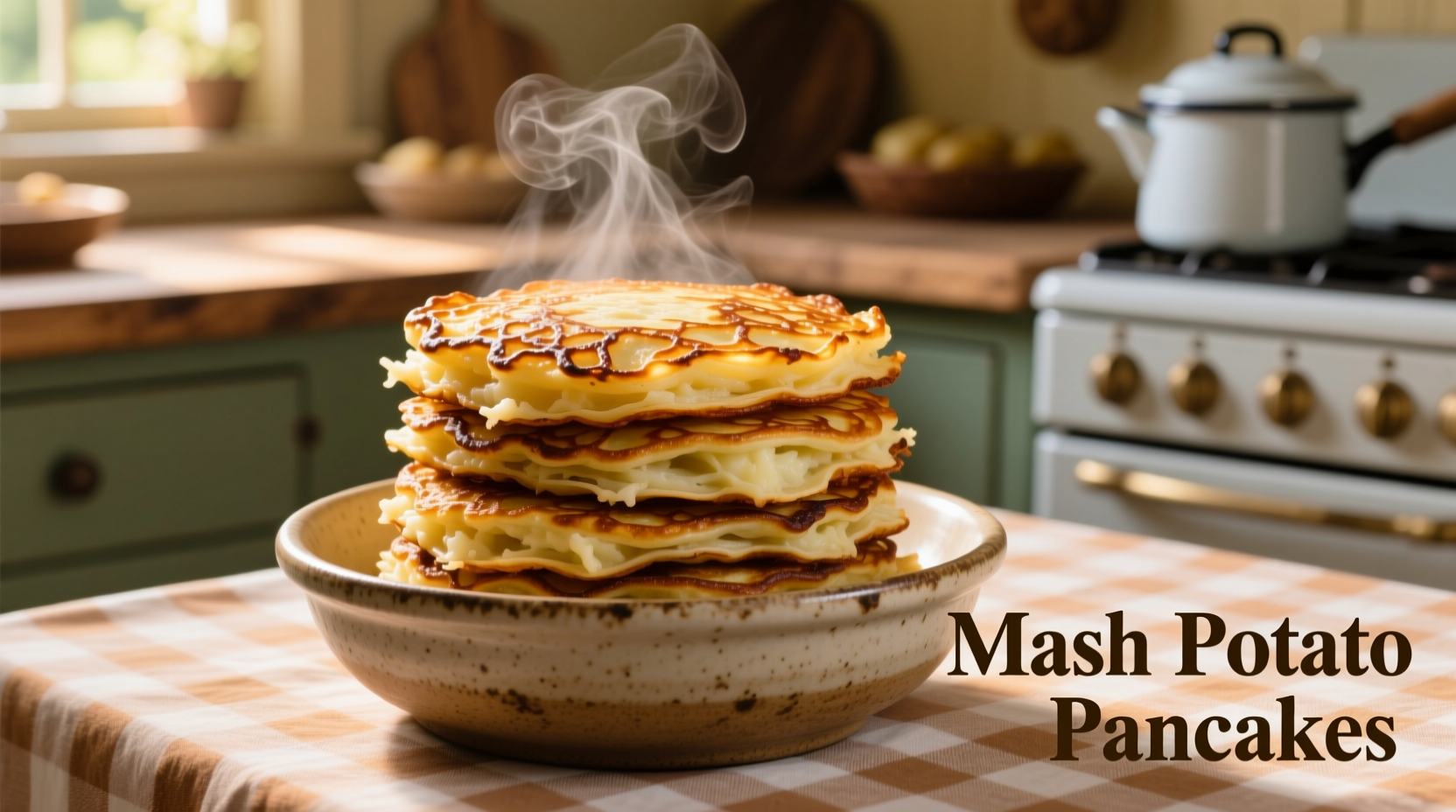
Transform leftover mashed potatoes into crispy, golden pancakes in just 20 minutes with this simple recipe—no additional potatoes needed. These savory delights feature a perfectly crisp exterior and tender interior, making them ideal for breakfast, brunch, or a satisfying side dish.
Have you ever wondered what to do with leftover mashed potatoes? Instead of letting them go to waste, transform them into delicious mashed potato pancakes—crispy on the outside, tender on the inside, and ready in minutes. This clever recipe solves the common problem of leftover mashed potatoes while delivering restaurant-quality results with minimal effort.
Why Mashed Potato Pancakes Beat Traditional Potato Pancakes
While traditional potato pancakes require grating raw potatoes and squeezing out excess moisture, mashed potato pancakes use what you already have in your fridge. This approach eliminates the tedious preparation while delivering equally satisfying results. The pre-cooked potatoes create a more consistent texture and absorb flavors beautifully.
| Feature | Mashed Potato Pancakes | Traditional Potato Pancakes |
|---|---|---|
| Preparation Time | 5 minutes | 20+ minutes |
| Required Equipment | Mixing bowl, skillet | Box grater, cheesecloth, multiple bowls |
| Texture Consistency | Uniform and reliable | Varies based on moisture extraction |
| Best For | Using leftovers, quick meals | Fresh preparation, traditional texture |
Essential Ingredients for Perfect Mashed Potato Pancakes
The beauty of this recipe lies in its simplicity. You likely have everything you need already:
- 2 cups leftover mashed potatoes (plain or with minimal seasonings)
- 1 large egg (binds ingredients without making pancakes dense)
- ¼ cup all-purpose flour (or cornstarch for gluten-free option)
- 2 green onions, finely chopped (adds freshness without overpowering)
- 1 garlic clove, minced (use sparingly to avoid bitterness)
- Salt and pepper to taste
- 2-3 tablespoons cooking oil (vegetable or canola for high-heat cooking)
According to the USDA Food Safety and Inspection Service, cooked potatoes should be refrigerated within two hours of cooking and used within 3-5 days. Using your leftovers within this window ensures both safety and optimal texture for pancakes.
Step-by-Step Preparation Guide
Follow these simple steps for perfect mashed potato pancakes every time:
- Prepare your mixture: In a medium bowl, combine mashed potatoes, egg, flour, green onions, garlic, salt, and pepper. Mix gently until just combined—overmixing creates dense pancakes.
- Test consistency: The mixture should hold together when pressed but not be overly sticky. If too wet, add flour one teaspoon at a time. If too dry, add a teaspoon of milk or water.
- Form patties: Using a ⅓-cup measure, portion the mixture and shape into ½-inch thick patties. For best results, refrigerate for 10 minutes to firm up.
- Heat the skillet: Use a cast-iron or non-stick skillet over medium heat with enough oil to coat the bottom.
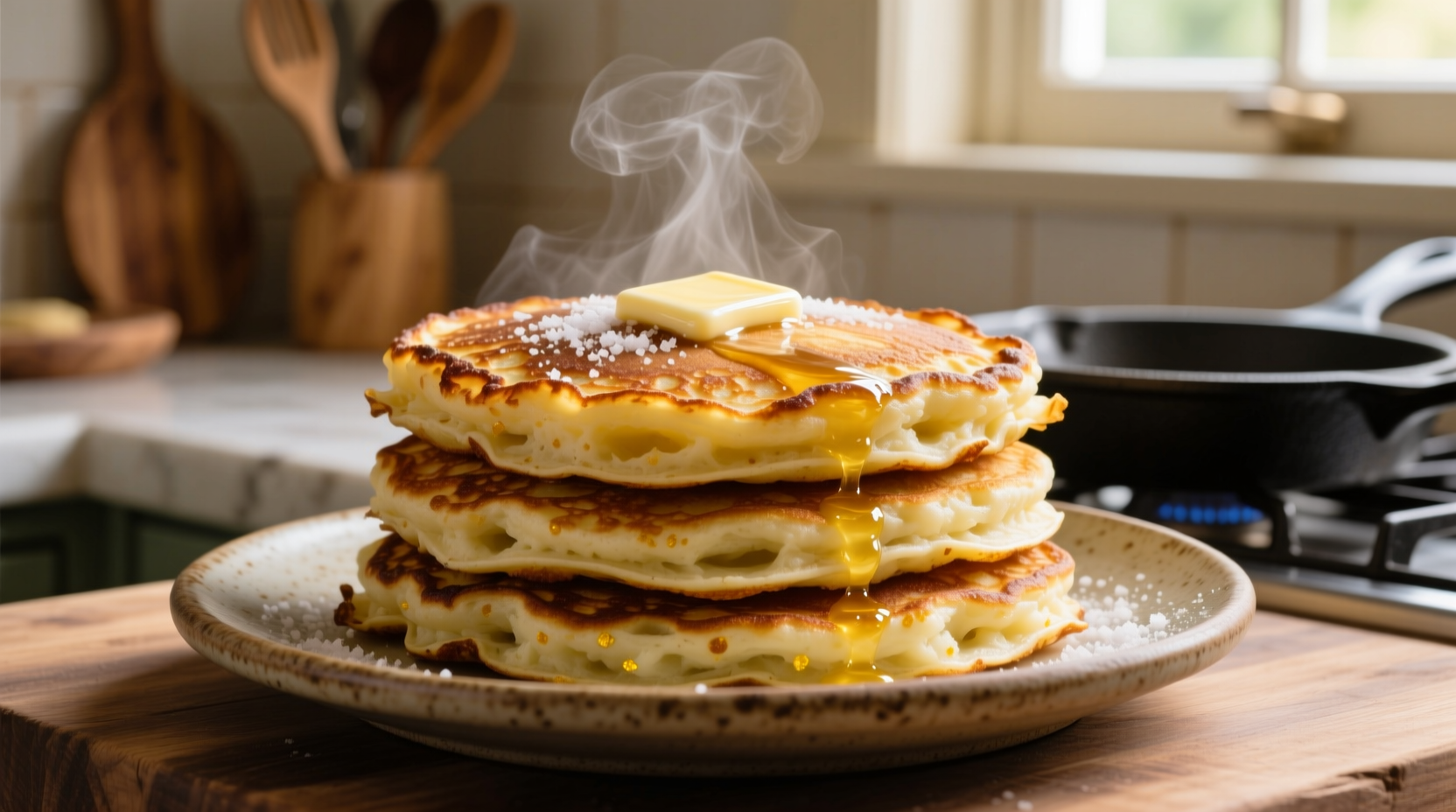
- Cook to perfection: Place patties in hot oil and cook 3-4 minutes per side until golden brown and crispy. Avoid pressing down, which squeezes out moisture.
Pro Techniques for Restaurant-Quality Results
Professional chefs know these secrets for perfect texture:
- Temperature control: Maintain oil at 350°F (175°C)—too cool makes pancakes greasy, too hot burns the outside before inside heats through
- Don't overcrowd: Cook in batches with space between pancakes for proper crisping
- Resting time: Let cooked pancakes drain on a wire rack instead of paper towels to maintain crispness
- Reheating properly: Revive leftovers in an air fryer at 375°F for 5-7 minutes rather than microwaving
Serving Suggestions That Elevate Your Dish
Mashed potato pancakes shine with these complementary pairings:
- Classic combination: Smoked salmon and dill sour cream (perfect for brunch)
- Comfort food pairing: Braised short ribs or corned beef
- Vegetarian option: Sautéed mushrooms and caramelized onions
- Breakfast twist: Top with a fried egg and avocado slices
Food historians note that potato pancakes originated in Eastern Europe as a practical way to use leftovers, evolving into cultural staples like Polish placki ziemniaczane and Jewish latkes. This modern adaptation honors that tradition of resourcefulness while fitting contemporary cooking habits.
Storage Guidelines for Best Results
Proper storage maintains quality and safety:
- Refrigeration: Store cooled pancakes in an airtight container for up to 3 days
- Freezing: Layer between parchment paper and freeze for up to 2 months
- Reheating: Air fryer at 375°F for 5-7 minutes yields best results; avoid microwaving which creates sogginess
The FDA recommends reheating cooked potato products to an internal temperature of 165°F (74°C) to ensure food safety. An instant-read thermometer provides the most reliable measurement.
Common Mistakes and How to Avoid Them
Steer clear of these pitfalls for perfect pancakes every time:
- Using overly wet potatoes: If your mashed potatoes contain excess milk or butter, add extra flour sparingly
- Cooking at wrong temperature: Test oil with a small bit of mixture—it should sizzle gently but not smoke
- Flipping too early: Wait until edges are golden and release easily from the pan
- Overcrowding the pan: Cook in batches to maintain proper oil temperature
Customization Ideas for Different Occasions
Adapt this basic recipe for various meals and preferences:
- Breakfast version: Add shredded cheddar and diced ham; serve with apple sauce
- Herb-infused: Mix in fresh dill, chives, and parsley for a spring-inspired dish
- Spicy kick: Incorporate jalapeños and smoked paprika for heat lovers
- Vegan option: Replace egg with flax egg (1 tbsp ground flax + 3 tbsp water)




 浙公网安备
33010002000092号
浙公网安备
33010002000092号 浙B2-20120091-4