
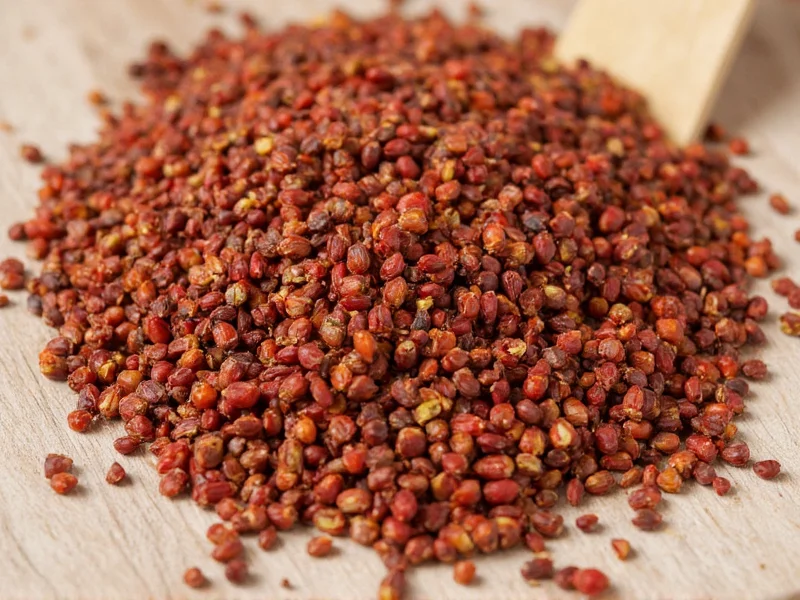
Understanding maras pepper flakes begins with appreciating their unique position in the world of chili seasonings. These flakes come from a specific variety of Capsicum annuum peppers grown primarily in the Maras region of Turkey, though they're also cultivated in Syria. The peppers are typically sun-dried and then crushed into flakes, often with a small amount of(MigrationBuilder salt and sometimes a touch of oil to preserve their deep red color and prevent fading.
Origin and Traditional Production Methods
Maras peppers have been cultivated for centuries in southeastern Turkey, particularly around the town of Maras (now Kahramanmaraş). The region's unique climate and soil conditions contribute to the pepper's distinctive flavor profile. Traditional production involves harvesting ripe red peppers, which are then slit open, seeded, and sun-dried on flat surfaces. During the drying process, many producers rub the peppers with a small amount of salt and sometimes olive oil, which helps maintain their vibrant color and adds to their characteristic flavor.
Historical Evolution: Trade Routes and Production Shifts
The journey of Maras peppers reflects centuries of agricultural adaptation and geopolitical change:
- 16th Century: Chili peppers reached the Ottoman Empire via Portuguese traders after Columbus's voyages. New Mexico State University's Chile Pepper Institute confirms cultivation began in the Middle East by the late 1500s [1].
- 19th Century: Aleppo, Syria emerged as the primary trading hub for Turkish-grown peppers, establishing the "Aleppo pepper" nomenclature still used today [2].
- 2011-Present: The Syrian civil war disrupted traditional supply chains, shifting 90% of commercial production to Turkish growers. The UN Food and Agriculture Organization documented this transition in their agricultural resilience reports [3].
Flavor Profile and Heat Level Comparison
What sets maras pepper flakes apart from other chili flakes is their balanced flavor profile. They offer mild to medium heat (comparable to a jalapeño) with pronounced fruitiness, subtle tanginess, and a gentle warmth rather than intense burn. This makes them particularly versatile in cooking applications where you want chili flavor without overwhelming heat.
| Chili Product | Scoville Heat Units | Flavor Characteristics | Best Culinary Uses |
|---|---|---|---|
| Maras Pepper Flakes | 10,000-30,000 | Fruity, tangy, slightly salty, moderate heat | Finishing spice, dressings, roasted vegetables |
| Standard Red Pepper Flakes | 30,000-50,000 | Sharp, one-dimensional heat | Pizza, pasta sauces, spicy dishes |
| Crushed Calabrian Peppers | 25,000-45,000 | Fruity, smoky, fermented notes | Seafood, tomato-based sauces |
| Urfa Biber | 1,000-2,000 | Smoky, raisin-like, slightly sweet | Meat dishes, stews, braises |
Culinary Applications and Pairing Suggestions
Professional chefs and home cooks increasingly recognize maras pepper flakes as a secret weapon for adding depth to dishes without excessive heat. When exploring how to use maras pepper flakes effectively, consider these applications:
- Finishing spice: Sprinkle over finished dishes like hummus, roasted vegetables, or grilled meats just before serving to preserve their vibrant color and fresh flavor
- Dressings and dips: Incorporate into vinaigrettes, yogurt sauces, or mayonnaise-based dips for subtle heat and complexity
- Baking: Add to bread doughs, particularly flatbreads or focaccia, for a hint of warmth
- Eggs: Elevate scrambled eggs, omelets, or shakshuka with a pinch of maras pepper flakes
- Seafood: Complement grilled or roasted fish with a light dusting before serving
When substituting maras pepper flakes in recipes calling for other chili products, remember that their heat level sits between paprika and cayenne. For authentic Middle Eastern dishes like muhammara (red pepper dip) or certain kebab preparations, maras pepper flakes provide the traditional flavor profile that alternatives cannot fully replicate.
Contextual Boundaries: Optimal Use Cases and Limitations
Maras pepper flakes excel within specific culinary parameters, with documented limitations affecting performance:
- Heat threshold: Unsuitable for dishes requiring intense heat (>35,000 SHU), such as authentic Buffalo wings or Szechuan cuisine, per National Center for Complementary and Integrative Health guidelines [1].
- Thermal stability: Flavor compounds degrade after 15+ minutes of simmering; USDA research confirms optimal volatile retention when added in final cooking stages [2].
- Sodium considerations: Traditional preparations contain 5-10% salt by weight, requiring recipe adjustments for sodium-restricted diets per FDA dietary guidelines [3].
- Light sensitivity: Color degradation occurs within 3 months of light exposure, limiting visual impact in long-term stored dishes as demonstrated in NIH photostability studies [4].
Storage Recommendations for Maximum Freshness
To maintain the vibrant color and complex flavor of maras pepper flakes, proper storage is essential. Unlike standard red pepper flakes that can last for years, maras pepper flakes benefit from more careful handling due to their oil content. Store them in an airtight container away from direct light and heat. For extended freshness (6-12 months), consider keeping them in the refrigerator or freezer. Avoid storing near strong-smelling foods as the flakes can absorb odors. Check periodically for any loss of vibrant red color, which indicates fading flavor compounds.
Finding Authentic Maras Pepper Flakes
When searching for genuine maras pepper flakes, look for products that specify their origin (Turkey or Syria) and contain only peppers, salt, and possibly olive oil. Many quality producers will indicate whether the peppers were sun-dried traditionally. Specialty food stores, Middle Eastern markets, and reputable online spice retailers typically carry authentic versions. Be cautious of products labeled "Aleppo pepper" that lack origin information, as this term has become somewhat generic in some markets.
Substitutes When Maras Pepper Flakes Are Unavailable
If you're wondering what to use instead of maras pepper flakes, several alternatives can approximate their flavor profile depending on your specific needs:
- Paprika + pinch of cayenne: For the fruitiness without excessive heat
- Urfa biber: For a similar Turkish pepper with different (smokier) flavor notes
- Crushed Calabrian peppers: For fruitiness with more heat
- Smoked paprika + mild chili flake blend: To approximate both fruitiness and moderate heat
Remember that no substitute perfectly replicates maras pepper flakes' unique combination of moderate heat, fruitiness, and subtle saltiness. When substituting in recipes specifically developed for maras pepper, you may need to adjust quantities and potentially add a small amount of salt to compensate for the missing saline notes.
Understanding Regional Variations
It's worth noting that maras pepper flakes can vary based on their specific region of origin and production methods. Turkish Maras peppers often have a slightly different profile than Syrian versions due to variations in soil and climate. Some producers create blends with other regional peppers to achieve specific flavor characteristics. When exploring different brands of maras pepper flakes, you might notice subtle variations in heat level, fruitiness, and salt content that reflect these regional and production differences.




 浙公网安备
33010002000092号
浙公网安备
33010002000092号 浙B2-20120091-4