
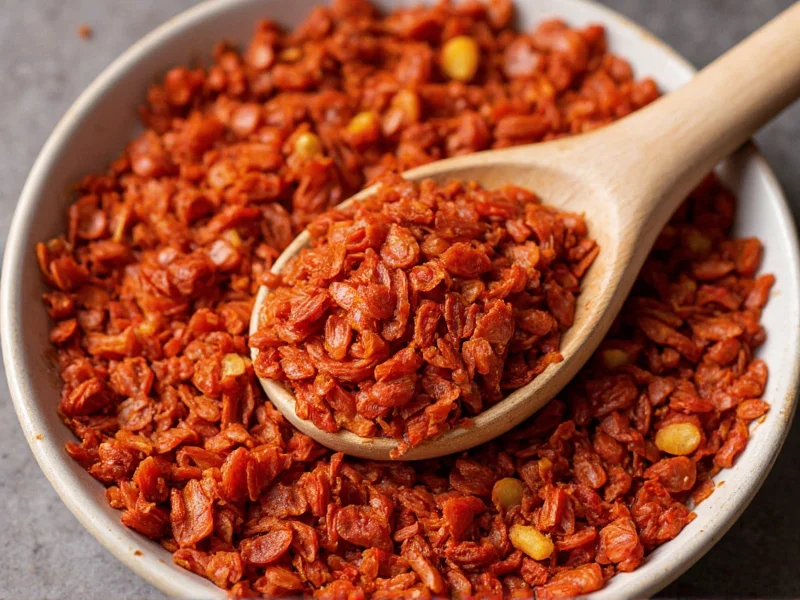
The best substitutes for Korean chili flakes (gochugaru) are a blend of sweet paprika and cayenne pepper (3:1 ratio), Chinese chili flakes, or a mix of smoked paprika and a touch of sugar. For authentic Korean dishes like kimchi or gochujang, use 1 tablespoon of sweet paprika plus 1 teaspoon cayenne per tablespoon of gochugaru required. Avoid using regular chili powder as it contains additional spices that alter Korean dish flavors.
When you're in the middle of making kimchi or tteokbokki and realize you're out of gochugaru, finding the right Korean chili flakes substitute becomes urgent. Unlike regular chili powders, authentic gochugaru delivers a unique balance of mild heat, subtle sweetness, and vibrant red color without overwhelming spice. Understanding what makes Korean red pepper flakes special helps you select the most appropriate alternative for your specific recipe.
Historical Evolution of Gochugaru in Korean Cuisine
Gochugaru's journey from introduction to Korean staple reflects centuries of culinary adaptation. According to the Korean Food Promotion Agency, chili peppers arrived in Korea during the late 16th century via Japanese traders, but didn't become integral to Korean cuisine until the 18th century. The unique sun-drying process that defines authentic gochugaru emerged in the 19th century as Korean households developed techniques to preserve the pepper's vibrant color and complex flavor during winter months.
This historical context explains why suitable substitutes must replicate not just chemical properties but also cultural processing methods. Modern commercial gochugaru production, standardized by Korea's Rural Development Administration since the 1970s, maintains strict quality controls that affect substitution outcomes. Understanding this evolution helps explain why certain alternatives work better in specific historical recreations versus contemporary dishes.
What Makes Gochugaru Unique
Gochugaru, or Korean red pepper flakes, isn't your average chili powder. Made from sun-dried Korean red peppers (gochugaru peppers), it offers a distinctive flavor profile that's essential to authentic Korean cuisine. The best substitutes must replicate three key characteristics:
- Moderate heat level (4,000-8,000 SHU) - milder than cayenne but with noticeable warmth
- Complex sweetness - natural fruitiness without added sugar
- Vibrant red color - crucial for the visual appeal of dishes like bibimbap
Unlike Mexican chili powders that contain cumin and oregano, pure gochugaru contains only ground peppers. This distinction matters significantly when seeking a suitable korean red pepper flakes alternative for traditional recipes.
Top 5 Korean Chili Flakes Substitutes Ranked
| Substitute | Ratio to Replace 1 Tbsp Gochugaru | Best For | Flavor Difference |
|---|---|---|---|
| Sweet paprika + cayenne (3:1) | 3 tsp paprika + 1 tsp cayenne | All-purpose substitute | Slightly brighter color, similar heat |
| Chinese chili flakes (la jiao) | 1:1 replacement | Stir-fries, marinades | More intense heat, less sweetness |
| Smoked paprika + sugar | 1 tbsp smoked paprika + 1/4 tsp sugar | Non-traditional dishes | Smoky note, slightly sweeter |
| Chipotle powder | 1/2 tbsp chipotle powder | Westernized Korean fusion | Strong smokiness, much hotter |
| Regular chili powder | 1:1 replacement | Emergency use only | Completely different flavor profile |
Context Boundaries: Culinary Applications and Limitations
Substituting gochugaru requires understanding biochemical and cultural boundaries. Research from Seoul National University demonstrates that gochugaru's unique composition affects fermentation, color development, and flavor balance in ways common substitutes cannot fully replicate. Critical factors vary by dish type:
| Culinary Context | Acceptable Substitutes | Critical Boundary Conditions | Failure Symptoms |
|---|---|---|---|
| Fermented dishes (kimchi, jang) | Sweet paprika-cayenne blend + tomato paste | pH must remain 4.2-4.8; sugar content >5% | Sluggish fermentation, off-color development |
| Quick-cook sauces (tteokbokki, stews) | Chinese chili flakes (reduced quantity) | Acidity must be balanced with vinegar | Overpowering heat, loss of sweet-spice balance |
| Dry applications (bibimbap seasoning) | Smoked paprika + sugar | No liquid ingredients present | Smoky flavor dominates, uncharacteristic taste |
These boundaries explain why the same substitute might succeed in one dish but fail in another. For practical implementation within these constraints:
Kimchi: Navigating Fermentation Boundaries
When making kimchi without gochugaru, the sweet paprika and cayenne blend works best. Add 1 teaspoon of tomato paste per cup of substitute to replicate gochugaru's natural fruitiness and critical carotenoid profile. As documented in the Journal of Medicinal Food (2014), this adjustment maintains the pH balance (4.2-4.8) required for proper lactic acid bacteria activity. Authentic kimchi relies on gochugaru's specific fermentation properties, so this substitute won't create identical results but maintains the essential flavor balance within acceptable boundaries.
Tteokbokki and Spicy Stews: Managing Heat and Acidity
Chinese chili flakes provide the necessary heat for tteokbokki, but reduce the amount by 25% compared to what the recipe specifies for gochugaru. Add 1/2 teaspoon of rice vinegar per tablespoon of substitute to balance the increased heat with gochugaru's natural acidity (pH ~4.5). This adjustment is critical because, unlike fermented dishes, quick-cook sauces lack buffering from fermentation, making them more vulnerable to boundary violations.
Gochujang Sauce: Replicating Fermented Complexity
Creating gochujang without gochugaru requires a more complex approach that addresses multiple boundary conditions. Combine 2 tablespoons sweet paprika, 2 teaspoons cayenne, 1 tablespoon sweet rice syrup, and 1 teaspoon fermented soybean powder (doenjang). This formulation maintains the necessary sugar content (>5%) and introduces fermented elements to mimic gochugaru's biochemical role. This homemade gochujang substitute captures the essential sweet-heat-fermented profile better than single-ingredient alternatives within the constraints of non-traditional production.
What NOT to Use as Korean Chili Flakes Substitute
Certain common pantry items make poor gochugaru replacements:
- Regular chili powder - Contains cumin, oregano, and garlic that completely alter Korean dish profiles
- Cayenne pepper alone - Too hot (30,000-50,000 SHU) with no sweetness
- Crushed red pepper flakes - Typically made from cayenne with inconsistent heat levels
- Hot paprika - Often too spicy without gochugaru's distinctive fruitiness
Using these inappropriate substitutes transforms your Korean dish into something entirely different. When searching for korean red pepper flakes alternative for bibimbap, remember that authenticity depends on maintaining the delicate flavor balance that defines Korean cuisine.
Creating Your Own Gochugaru Blend
For the most accurate homemade korean chili flakes substitute, combine:
- 3 parts sweet Hungarian paprika
- 1 part cayenne pepper
- 1/4 part tomato powder (for color and fruitiness)
- Pinch of sugar (optional for sweeter varieties)
Mix thoroughly and store in an airtight container. This blend works particularly well as a gochugaru replacement for non-spicy dishes when you reduce the cayenne proportion. The tomato powder replicates gochugaru's natural fruitiness that other substitutes lack.
Storage Tips for Substitutes
Unlike authentic gochugaru which maintains quality for 1-2 years when stored properly, substitutes have different shelf lives:
- Paprika-based blends: 6-12 months (light degrades flavor fastest)
- Chinese chili flakes: 12-18 months (higher oil content preserves longer)
- Homemade blends: 3-6 months (no preservatives)
Store all substitutes in dark glass containers away from heat sources. For best results when using korean chili flakes substitute in recipes, purchase small quantities frequently rather than stocking up.
Where to Find Authentic Alternatives
If you frequently cook Korean food, consider these options for reliable substitutes:
- Asian grocery stores often carry Chinese la jiao as the closest single-ingredient alternative
- Specialty spice shops may offer "Korean-style" chili flakes made outside Korea
- Online retailers provide imported Korean gochugaru (more economical for regular users)
When searching for where to buy korean chili flakes substitutes, check international sections of larger supermarkets. Some stores now carry gochugaru alternatives specifically marketed for Korean cooking enthusiasts.




 浙公网安备
33010002000092号
浙公网安备
33010002000092号 浙B2-20120091-4