
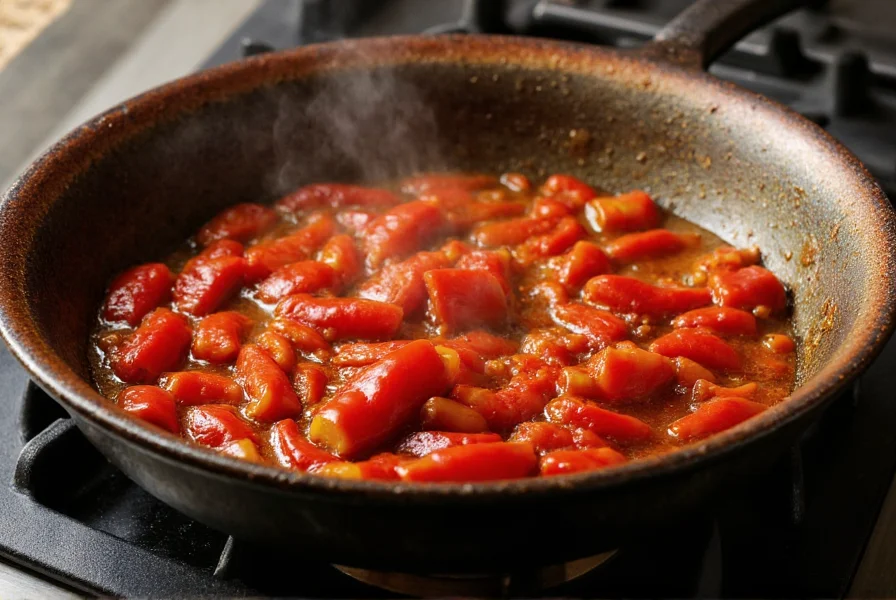
Chili oil transforms simple dishes with its vibrant color and layered heat. This versatile condiment appears in cuisines worldwide, from Chinese hong you to Italian olio di peperoncino. Understanding the science behind infusion separates decent chili oil from exceptional versions that elevate your cooking.
The Essential Components of Quality Chili Oil
Creating exceptional chili oil begins with understanding its three fundamental elements: the oil base, chili components, and aromatic enhancers. Each plays a distinct role in the final product's flavor profile and shelf stability.
Choosing Your Oil Base
Neutral oils with high smoke points work best for chili oil production. Refined peanut, sunflower, or grapeseed oil maintain stability during the heating process without imparting competing flavors. Avoid extra virgin olive oil or sesame oil as primary bases—they burn easily and dominate the delicate chili flavors. For authentic Chinese chili oil, many chefs use a 90% neutral oil and 10% toasted sesame oil blend added after infusion.
Chili Selection and Preparation
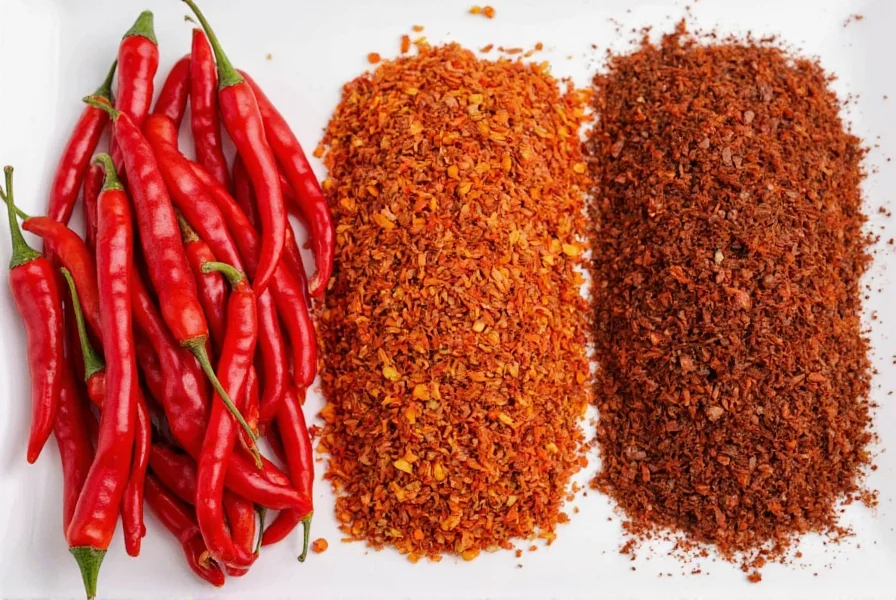
The chili component determines your oil's heat level and flavor complexity. Professional chefs often combine multiple chili types:
| Chili Type | Heat Level (SHU) | Flavor Profile | Best Use |
|---|---|---|---|
| Sichuan chili flakes | 15,000-30,000 | Earthy, slightly sweet | Base for authentic Chinese chili oil |
| Korean gochugaru | 4,000-8,000 | Smoky, sweet | Adding depth without excessive heat |
| Italian peperoncino | 25,000-45,000 | Sharp, bright | Mediterranean-style chili oil |
Grind your chilies to a coarse flake rather than powder. Fine powder burns easily during infusion, creating bitterness. For homemade chili oil, mix coarse and fine flakes (70/30 ratio) to maximize surface area while preventing scorching.
The Science of Temperature Control
Temperature management represents the most critical factor in successful chili oil production. Oil below 230°F (110°C) won't properly extract capsaicin and essential oils. Oil above 285°F (140°C) burns chili components, creating acrid flavors. The ideal range sits between 250-275°F (121-135°C).
Use a reliable candy thermometer for accuracy. Professional kitchens often employ a two-stage heating method:
- Heat oil to 300°F (149°C), then remove from heat
- Allow temperature to drop to 265°F (130°C) before pouring over chili mixture
- Stir immediately to distribute heat evenly
This technique prevents the bottom layer of chilies from burning while ensuring complete infusion. The mixture should bubble gently but not violently when oil hits the chilies.
Step-by-Step Homemade Chili Oil Recipe
This authentic Sichuan-style chili oil recipe yields 2 cups of vibrant, aromatic condiment. Total preparation time: 20 minutes. Infusion time: 12-24 hours.
Ingredients
- 2 cups refined peanut oil
- ½ cup Sichuan chili flakes (coarse grind)
- 2 tablespoons Korean gochugaru
- 1 tablespoon Sichuan peppercorns (toasted)
- 3 garlic cloves (thinly sliced)
- 1-inch ginger (julienned)
- 1 star anise
- 1 cinnamon stick (1-inch)
- ¼ teaspoon salt
Equipment Checklist
- Candy thermometer (essential for temperature control)
- Heatproof glass or ceramic bowl
- Medium saucepan (stainless steel preferred)
- Fine-mesh strainer
- Airtight glass container for storage
Infusion Process
- Combine chili flakes, gochugaru, Sichuan peppercorns, and salt in heatproof bowl
- Add garlic, ginger, star anise, and cinnamon to chili mixture
- Heat oil in saucepan to exactly 300°F (149°C) over medium heat
- Remove oil from heat and allow temperature to drop to 265°F (130°C)
- Pour ⅓ of oil over mixture while stirring constantly
- Wait 5 minutes, then add another ⅓ while stirring
- After 5 more minutes, add remaining oil
- Cover and let steep at room temperature for 12-24 hours
- Strain through fine-mesh sieve into storage container
Storage and Shelf Life Optimization
Properly stored homemade chili oil maintains peak quality for 3-4 weeks at room temperature. For extended shelf life:
- Store in airtight glass container away from light
- Ensure all ingredients are completely submerged
- Refrigerate after opening for 2-3 month shelf life
- Freeze in ice cube trays for 6-month storage
Never introduce moisture into your chili oil. Always use dry utensils when scooping. Discard if you notice mold, off odors, or cloudiness. The oil should remain clear with settled sediment at the bottom.
Troubleshooting Common Chili Oil Problems
Even experienced cooks encounter issues when making chili oil. Here's how to fix frequent problems:
Bitter or Burnt Flavor
Cause: Oil temperature too high during infusion. Solution: Next time, reduce oil temperature by 15-20°F (8-11°C). If already made, add 1 tablespoon honey and reheat gently to 180°F (82°C) to mellow bitterness.
Weak Flavor or Color
Cause: Insufficient steeping time or low-quality chilies. Solution: Extend steeping time to 48 hours. For immediate improvement, add 1 additional tablespoon of chili flakes and gently reheat to 200°F (93°C).
Separation Issues
Cause: Natural settling of chili particles. This is normal and not a quality issue. Simply stir before use. If oil appears cloudy, it likely contains moisture—discard immediately as this indicates potential bacterial growth.
Regional Variations and Creative Twists
While Sichuan-style represents the most recognized chili oil globally, regional variations offer distinct flavor profiles worth exploring:
- Chongqing chili oil: Uses only coarse chili flakes with no additional spices for pure heat
- Taiwanese chili oil: Incorporates fermented black beans and dried shrimp
- Italian chili oil: Features Calabrian chilies with oregano and garlic
- Mexican chili oil: Combines guajillo and arbol chilies with cumin
For innovative homemade chili oil variations, try adding:
- Smoked paprika (¼ teaspoon) for barbecue applications
- Lemongrass (1 stalk, bruised) for Southeast Asian dishes
- Dried shiitake mushrooms (2 pieces) for umami depth
- Orange zest (1 teaspoon) for bright citrus notes
Using Your Homemade Chili Oil
Freshly made chili oil shines when used thoughtfully. Add it at the right stage of cooking for maximum impact:
- Finishing oil: Drizzle over dumplings, noodles, or rice just before serving
- Marinade base: Combine with soy sauce for meat or tofu marinades
- Sauce component: Mix with vinegar and sugar for dipping sauces
- Stir-fry enhancer: Add 1-2 teaspoons during final stir-frying stage
Remember that heat intensity increases over time. Your chili oil will taste noticeably hotter after 24 hours than immediately after preparation. Adjust quantities accordingly when first using your new batch.
How long does homemade chili oil last at room temperature?
Properly made homemade chili oil maintains quality for 3-4 weeks at room temperature when stored in an airtight container away from light. Always check for off odors, mold, or cloudiness before use. Refrigeration extends shelf life to 2-3 months.
Why did my chili oil turn out bitter?
Bitterness typically occurs when oil temperature exceeds 285°F (140°C) during infusion, burning the chili flakes. To prevent this, use a candy thermometer and pour oil in stages as it cools from 300°F to 265°F (149°C to 130°C). If already bitter, adding 1 tablespoon honey and gently reheating to 180°F (82°C) can help mellow the flavor.
Can I use fresh chilies instead of dried for chili oil?
Fresh chilies contain too much moisture for traditional chili oil production and can cause spoilage. For best results, use dried chilies which have been properly dehydrated. If you want fresh chili flavor, consider making chili crisp instead, which incorporates both oil and solid chili components.
What's the difference between chili oil and chili crisp?
Chili oil is a clear infused oil with chili sediment settled at the bottom, while chili crisp contains visible solid ingredients like fried garlic, onions, and chili pieces suspended in oil. Chili crisp offers texture along with flavor, whereas chili oil provides pure infused heat and aroma. Both use similar infusion techniques but differ in final composition.
How can I adjust the heat level of my chili oil?
Control heat by adjusting chili varieties and ratios. For milder oil, increase Korean gochugaru (lower heat) relative to Sichuan chilies. For hotter oil, add cayenne powder (¼ teaspoon at a time). Remember that heat intensifies over 24-48 hours as capsaicin fully infuses, so wait before making final adjustments.




 浙公网安备
33010002000092号
浙公网安备
33010002000092号 浙B2-20120091-4