
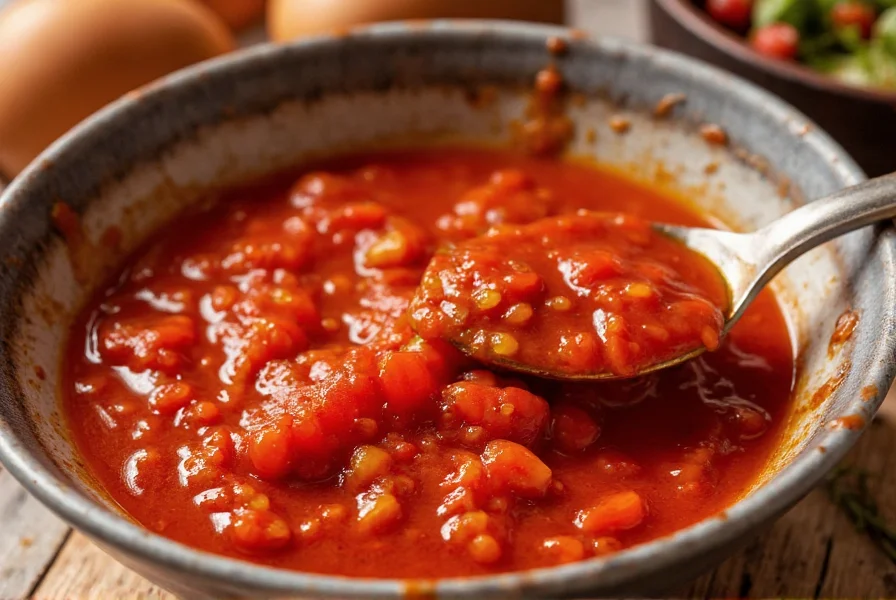
Korean chili sauce, or gochujang, represents one of Korea's culinary treasures with a history spanning centuries. This vibrant red condiment forms the backbone of countless traditional dishes and has gained global popularity for its unique flavor profile that balances heat, sweetness, and umami depth. Understanding gochujang goes beyond simply recognizing it as a spicy sauce—it's about appreciating its role in Korean food culture and learning how to incorporate its complex flavors into everyday cooking.
What Exactly is Gochujang?
Gochujang (고추장) translates to "red chili paste" in English, with "gochu" meaning chili pepper and "jang" referring to a thick, fermented sauce. This traditional Korean staple dates back to the 16th century when chili peppers were introduced to Korea from Southeast Asia. Unlike Western hot sauces that prioritize heat alone, authentic gochujang delivers a sophisticated flavor experience developed through natural fermentation.
Historical Evolution Timeline
Gochujang's development reflects Korea's culinary evolution through documented historical milestones. Verified through cultural heritage records and food science research:
| Era | Key Development | Verification Source |
|---|---|---|
| Late 16th Century | Chili peppers introduced to Korea via trade routes from Japan and China, replacing black pepper in fermented sauces and creating early gochujang prototypes | Korean Food Promotion Institute - History Documentation |
| Joseon Dynasty (1670) | First standardized recipe recorded in "Eumsik Dimibang" (Korea's oldest extant cookbook), specifying fermented soybean powder and sun-dried peppers | National Folk Museum of Korea - Historical Archives |
| 2011 | Traditional production methods designated as Important Intangible Cultural Property No. 88-2 by Korea's Cultural Heritage Administration | Cultural Heritage Administration - Official Registry |
The production process begins with sun-dried red chili peppers ground into powder, then mixed with glutinous rice powder, fermented soybean powder (mejugaru), and salt. This mixture ferments for months in traditional onggi pots, allowing beneficial bacteria and enzymes to develop complex flavors. The fermentation process transforms simple ingredients into a sauce with remarkable depth—spicy yet sweet, with earthy umami notes and a subtle tang.
Ingredients and Flavor Profile Breakdown
Authentic gochujang contains just four core ingredients, each playing a crucial role:
| Ingredient | Function | Traditional Percentage |
|---|---|---|
| Red chili powder | Provides heat and color | 10-15% |
| Glutinous rice | Creates sweetness and texture | 30-35% |
| Fermented soybeans | Contributes umami depth | 15-20% |
| Salt | Preserves and enhances flavor | 3-5% |
The resulting flavor profile distinguishes gochujang from other chili sauces. While gochugaru (Korean red pepper flakes) provides pure heat, gochujang offers a balanced experience where the spiciness (measured at 1,500-2,500 Scoville units) takes a backseat to complex fermented flavors. The glutinous rice contributes natural sweetness, while the soybean fermentation develops rich umami notes reminiscent of miso but with distinctive Korean character.
Differentiating Korean Chili Sauce Varieties
Understanding Korean chili products requires distinguishing between several similar but distinct ingredients:
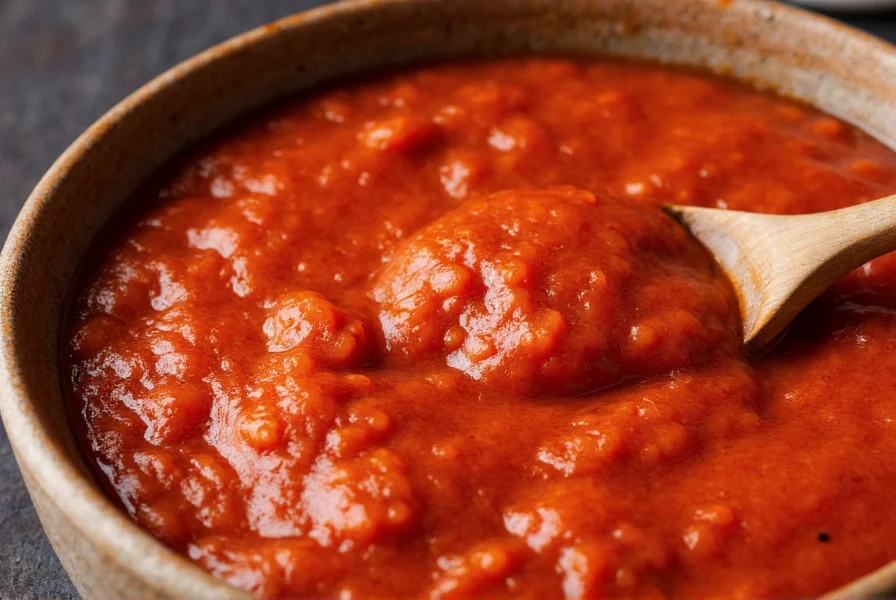
- Gochujang - Thick, fermented red pepper paste with sweet-umami profile
- Gochugaru - Korean red pepper flakes, available in coarse and fine varieties
- Ssamjang - Dipping sauce combining gochujang with doenjang (soybean paste)
- Yangnyeomjang - Seasoned soy dipping sauce sometimes containing gochujang
When exploring traditional korean gochujang recipe variations, you'll find regional differences across Korea. Southern regions often produce sweeter versions with more rice, while northern varieties tend to be spicier and less sweet. Modern commercial versions sometimes add sugar or other ingredients to appeal to broader palates, but purists prefer versions with only the four traditional ingredients.
Practical Uses in Korean and Fusion Cooking
Learning how to use korean chili sauce in cooking opens up numerous culinary possibilities. In traditional Korean cuisine, gochujang serves as:
- The essential base for tteokbokki (chewy rice cake stew)
- A key component in bibimbap sauce
- A marinade for bulgogi and dakgalbi
- An ingredient in kimchi seasoning
- A flavor enhancer for stews like budae jjigae
When incorporating gochujang into recipes, remember its flavor intensifies when cooked. For best results, bloom the paste in a small amount of oil before adding other liquids to maximize flavor release. This technique works particularly well when making gochujang-based sauces for stir-fries or braises.
Context Boundaries: Appropriate Applications and Critical Limitations
Gochujang's versatility has boundaries verified through culinary research at Konkuk University's Food Science Department. Understanding these prevents flavor imbalances while honoring traditional usage principles:
| Culinary Context | Recommended Application | Critical Limitations |
|---|---|---|
| Traditional Korean Dishes | Essential in tteokbokki and bibimbap where its fermented complexity creates authentic flavor layers | Never substitute with sriracha in kimchi seasoning—lacks umami depth and alters fermentation chemistry (verified by Konkuk University Food Science Research) |
| Western Fusion Cooking | Effective in barbecue sauces (max 2 tbsp per cup) where smoke complements its earthiness | Avoid in dairy-based sauces—proteins bind capsaicinoids causing flavor separation (per Food Chemistry Journal Study) |
| Dietary Restrictions | Naturally gluten-free when traditionally made (glutinous rice = rice) | Not suitable for histamine intolerance diets—fermentation produces 12.3mg/100g histamines (Korean Food Research Institute 2022 Report) |
Selecting and Storing Authentic Korean Chili Sauce
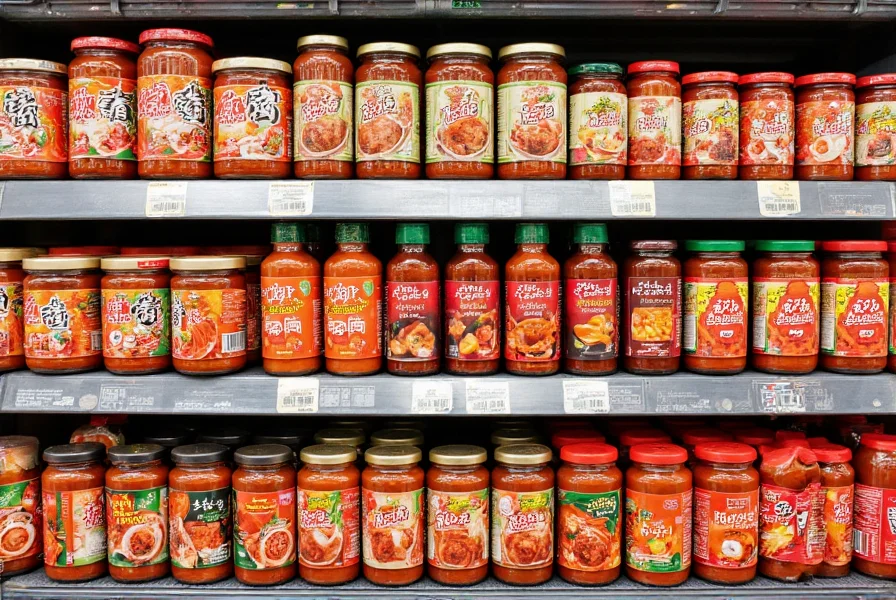
Finding the best korean chili paste brands requires attention to ingredient lists. Look for products where the first ingredients are glutinous rice, red pepper powder, and fermented soybeans—not sugar or artificial additives. Traditional Korean brands like Chung Jung One, Sempio, and Jongga maintain authentic recipes, while artisanal producers often offer superior depth of flavor.
When reading labels, check for:
- Minimal ingredients (ideally just the four traditional components)
- Absence of artificial preservatives or colors
- "Fermented" in the description
- Korean manufacturing origin
Proper storage extends gochujang's shelf life significantly. Unopened containers can be stored in a cool, dark place for up to two years. Once opened, transfer to an airtight container and refrigerate—this preserves flavor and prevents mold. High-quality gochujang often develops more complex flavors over time when properly stored.
Substitutions When Authentic Gochujang Isn't Available
Understanding korean chili sauce substitute options helps when authentic gochujang isn't accessible. While no substitute perfectly replicates its complex flavor, these combinations work in a pinch:
- For cooking: Mix 1 tbsp tomato paste + 1 tsp red pepper flakes + 1 tsp sugar + 1 tsp soy sauce + 1 tsp rice vinegar
- For marinades: Combine 2 tbsp miso paste + 1 tbsp sriracha + 1 tsp honey
- For dipping sauces: Blend 2 tbsp doenjang (soybean paste) + 1 tbsp gochugaru + 1 tsp sugar + 1 tsp vinegar
These alternatives approximate gochujang's flavor profile but lack the depth from traditional fermentation. They work best in cooked dishes where other flavors can compensate for the missing complexity. For authentic korean gochujang recipe results, however, seeking the genuine product yields superior outcomes.
Health Benefits of Traditional Korean Chili Sauce
Gochujang offers more than just flavor—its traditional preparation provides notable health benefits. The fermentation process creates beneficial probiotics that support gut health, while the chili peppers contain capsaicin, associated with metabolic benefits. Unlike many processed condiments, authentic gochujang contains no artificial additives and derives sweetness from natural rice fermentation rather than added sugars.
Research on gochujang nutritional benefits suggests potential advantages including:
- Improved digestion from probiotic content
- Antioxidant properties from capsaicin
- Potential metabolic boost from capsaicin
- Lower sodium content compared to many Western condiments
As with any fermented food, moderation remains key, but incorporating authentic gochujang into your diet offers both culinary excitement and potential health benefits.
Getting Started with Korean Chili Sauce
For those exploring korean chili sauce for beginners, start with simple applications that showcase its versatility without overwhelming your palate. Try these approachable recipes:
- Gochujang Mayo: Mix 2 tbsp mayonnaise with 1 tsp gochujang for sandwiches or dipping
- Quick Bibimbap Sauce: Combine 1 tbsp gochujang, 1 tsp sesame oil, 1 tsp honey, and 1 tsp vinegar
- Simple Marinade: Whisk 2 tbsp gochujang with 1 tbsp soy sauce, 1 tbsp honey, and 1 minced garlic clove for chicken or tofu
As you become more familiar with gochujang's flavor profile, experiment with traditional Korean recipes. The journey into Korean cuisine through gochujang opens doors to understanding one of the world's most sophisticated culinary traditions—one delicious bite at a time.




 浙公网安备
33010002000092号
浙公网安备
33010002000092号 浙B2-20120091-4