
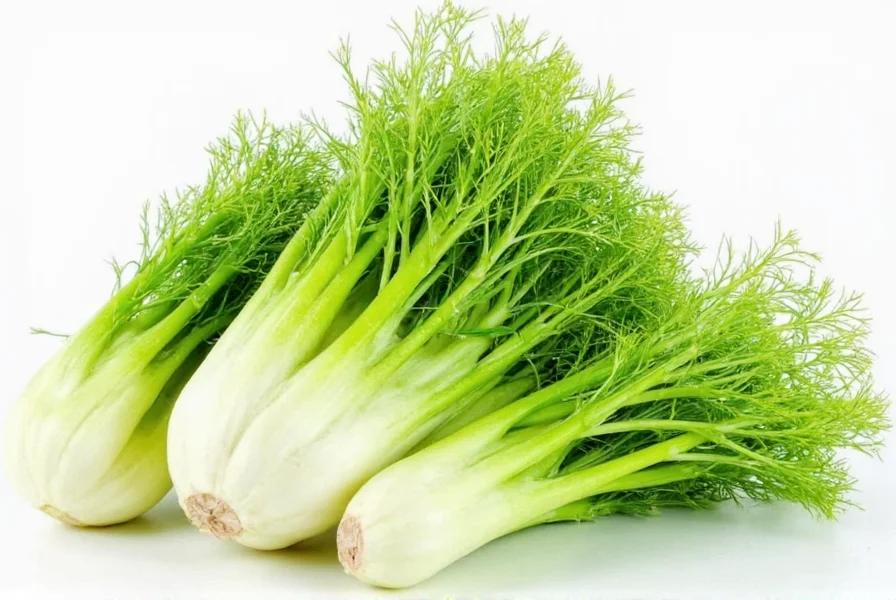
Fennel isn't just a flavorful addition to your kitchen—it's a nutritional powerhouse backed by scientific research. This aromatic vegetable, with its distinctive licorice-like flavor, delivers impressive health benefits that extend far beyond its culinary uses. Understanding the nutritional value of fennel bulb and seeds can help you make informed choices about incorporating this versatile plant into your regular diet.
Nutritional Profile of Fennel
One cup (87g) of raw fennel bulb contains:
| Nutrient | Amount | % Daily Value |
|---|---|---|
| Calories | 27 | 1% |
| Fiber | 4.1g | 14% |
| Vitamin C | 12mg | 20% |
| Potassium | 360mg | 10% |
| Folate | 43mcg | 11% |
| Vitamin B6 | 0.1mg | 6% |
| Calcium | 43mg | 4% |
| Magnesium | 15mg | 4% |
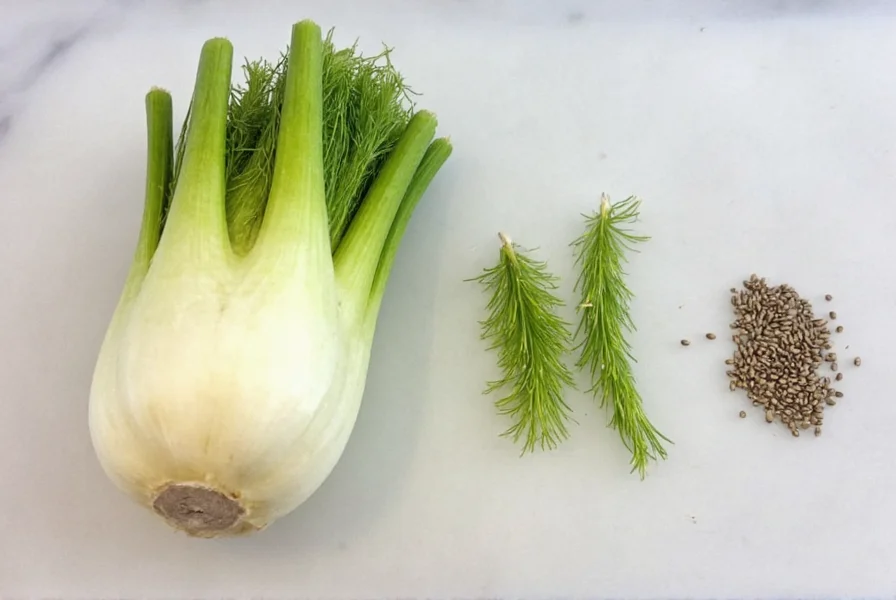
Fennel seeds, while used in smaller quantities, pack an even more concentrated nutritional punch. One tablespoon (6g) of fennel seeds contains 2 grams of fiber, 10% of your daily calcium needs, and significant amounts of iron and manganese.
Digestive Health Benefits of Fennel
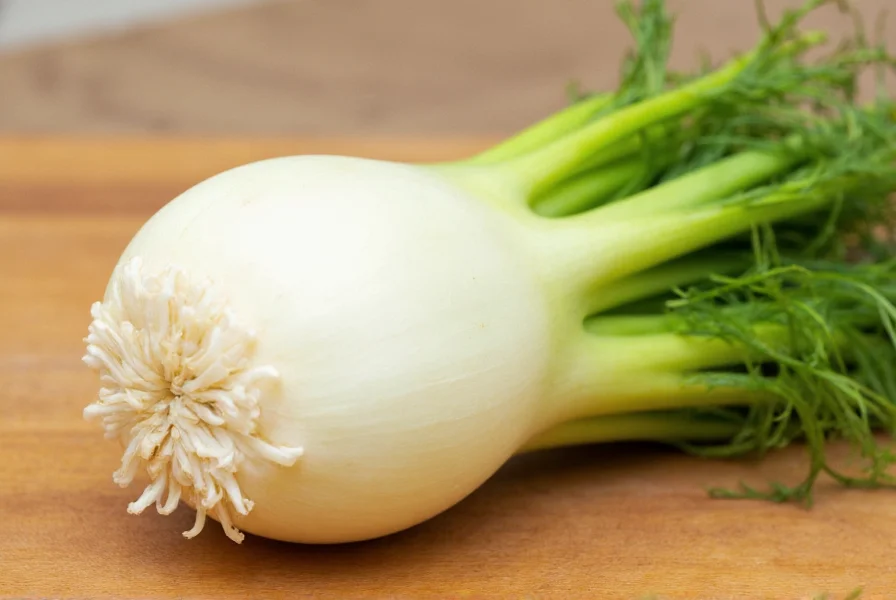
Fennel has been used for centuries as a natural remedy for digestive issues, and modern science supports these traditional uses. The fennel for digestive health connection comes from several key components:
- Dietary fiber promotes regular bowel movements and feeds beneficial gut bacteria
- Anethole, the primary compound in fennel, has antispasmodic properties that relax intestinal muscles
- Fenchone helps reduce bloating and gas
A clinical trial published in the Journal of Gastrointestinal and Liver Diseases (2016) demonstrated that fennel seed oil emulsion significantly reduced symptoms of irritable bowel syndrome (IBS), including abdominal pain and bloating, compared to placebo (PubMed, 2016).
It's important to note that the clinical benefits observed were specific to a standardized fennel seed oil emulsion formulation, and may not be fully replicated by consuming raw fennel bulb or seeds in typical culinary amounts. Additionally, the study focused on adults with mild to moderate IBS, and results may not extend to severe cases or other digestive disorders like Crohn's disease. As with any natural remedy, individual responses can vary significantly based on gut microbiome composition and overall health status.
Historical Context and Modern Validation
Fennel's journey from ancient remedy to scientifically validated health food spans millennia, with evolving applications:
- Ancient Greece (4th century BCE): Hippocrates prescribed fennel for digestive complaints and vision improvement, as documented in historical medical texts
- Roman Era (1st century CE): Pliny the Elder recorded fennel's use for snake bites and as a carminative agent in Natural History
- Medieval Europe (9th century): Charlemagne's agricultural decree (Capitulare de villis) mandated fennel cultivation for medicinal use
- Modern Validation (2009): European Medicines Agency officially recognized fennel seed's traditional use for mild digestive disorders based on historical evidence and pharmacological studies
This progression demonstrates how traditional knowledge has informed contemporary research, with modern science validating specific mechanisms like anethole's antispasmodic effects while revealing new applications. The EMA's assessment confirms fennel seed's efficacy is context-dependent, primarily applicable to functional digestive disorders rather than structural gastrointestinal diseases (EMA Monograph, 2009).
Antioxidant Powerhouse
The antioxidants in fennel contribute significantly to its health-promoting properties. Fennel contains several potent antioxidants:
- Quercetin - fights oxidative stress and inflammation
- Apigenin - shows potential cancer-fighting properties in laboratory studies
- Chlorogenic acid - associated with reduced risk of chronic diseases
- Anethole - demonstrates anti-inflammatory and potential anticancer effects
Research indicates that fennel contains high levels of phenolic compounds, which contribute to its antioxidant capacity. A comprehensive review in the journal Plants (2020) highlighted fennel's rich profile of antioxidants including rosmarinic acid, chlorogenic acid, and flavonoids, with concentrations varying significantly based on growing conditions and plant maturity (PMC, 2020).
Heart Health Support
Fennel contributes to cardiovascular health through multiple mechanisms. The heart health benefits of fennel stem from its impressive nutrient profile:
- Potassium helps regulate blood pressure by counteracting sodium's effects
- Fiber helps lower LDL ("bad") cholesterol levels
- Nitrates in fennel may help improve blood vessel function
- Antioxidants reduce oxidative stress that contributes to heart disease
The heart health benefits of fennel are supported by its nutrient profile, which aligns with dietary recommendations from the American Heart Association for managing blood pressure and cholesterol. Potassium-rich vegetables like fennel are recommended as part of a heart-healthy diet (American Heart Association). The high potassium content (360mg per cup) makes fennel particularly valuable for those looking to support healthy blood pressure levels through dietary means.
Fennel Seeds vs. Bulb: Understanding the Differences
While both parts of the fennel plant offer health benefits, there are important distinctions between the bulb and seeds that affect their nutritional value of fennel bulb versus seeds:
- Bulb: Higher in vitamin C and water content, lower in calories, excellent raw in salads
- Seeds: More concentrated source of fiber, minerals, and essential oils, typically used in smaller quantities as spice or tea
When comparing fennel vs celery nutrition, fennel generally offers more vitamins and unique phytochemicals, though both are low-calorie, high-fiber vegetables. Fennel contains significantly more vitamin C and potassium than celery, while celery has slightly more vitamin K.
Incorporating Fennel Into Your Diet
Learning how to use fennel in cooking for health benefits can transform your meals while boosting nutrition. Here are practical ways to include more fennel:
- Raw: Slice the bulb thinly for salads (the crunch resembles celery but with more flavor)
- Roasted: Toss wedges with olive oil and roast until caramelized (reduces licorice flavor)
- Tea: Steep crushed fennel seeds in hot water for digestive benefits
- Smoothies: Add raw fennel bulb for extra fiber and nutrients
- Soups and stews: Use as aromatic base similar to onions or celery
For those interested in fennel tea benefits, steeping one teaspoon of crushed fennel seeds in hot water for 5-10 minutes creates a soothing beverage that may help with digestion, reduce bloating, and provide antioxidant benefits. Many lactating mothers also use fennel tea traditionally to support milk production, though more research is needed in this area.
Potential Considerations and Side Effects
While fennel is generally safe for most people when consumed in food amounts, some considerations exist:
- People with allergies to plants in the Apiaceae family (carrots, celery, parsley) may react to fennel
- Excessive consumption of fennel seeds may have estrogenic effects
- Fennel essential oil should not be consumed internally without professional guidance
- Pregnant women should avoid medicinal amounts of fennel seeds
As with any dietary change, consult your healthcare provider if you have specific health conditions or concerns, especially if considering fennel supplements rather than culinary use.
Conclusion: The Versatile Nutritional Value of Fennel
Fennel stands out as a remarkably versatile vegetable with impressive nutritional credentials. From supporting digestive health to providing powerful antioxidants and promoting heart health, the health benefits of fennel seeds and bulb make this plant worthy of regular inclusion in a balanced diet. Its unique combination of fiber, vitamins, minerals, and phytochemicals offers multiple pathways to better health without significant calories or risks for most people. Whether you enjoy it raw in salads, roasted as a side dish, or steeped as a soothing tea, fennel delivers both flavor and function to your meals.




 浙公网安备
33010002000092号
浙公网安备
33010002000092号 浙B2-20120091-4