
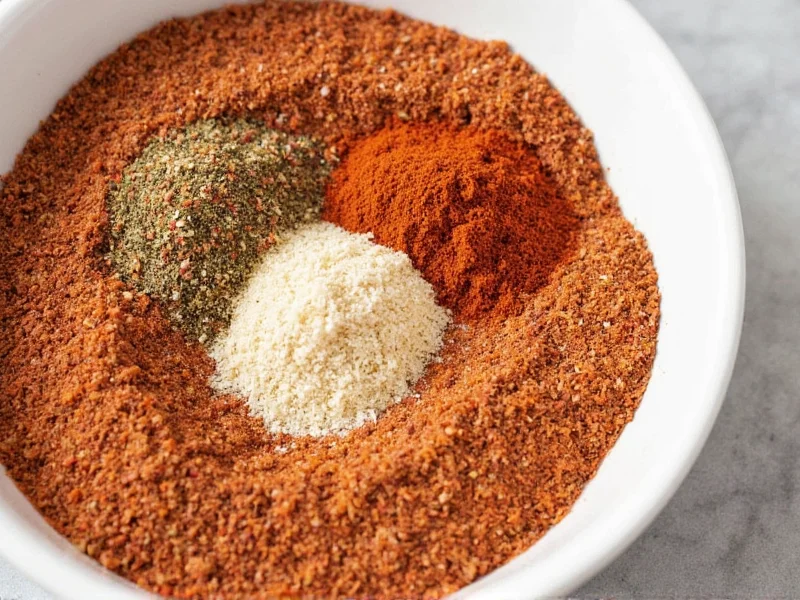
Understanding Italian Seasoning Composition
Italian seasoning isn't a single standardized recipe but rather a harmonious blend of Mediterranean herbs that create that distinctive flavor profile associated with Italian cuisine. The foundation typically includes five essential dried herbs:
| Core Herb | Flavor Profile | Percentage in Standard Blend |
|---|---|---|
| Oregano | Earthy, slightly bitter, robust | 38% |
| Basil | Sweet, slightly peppery, aromatic | 19% |
| Marjoram | Milder, sweeter cousin of oregano | 19% |
| Thyme | Subtly minty, lemony, earthy | 14% |
| Rosemary | Pine-like, woody, strong | 10% |
This ratio reflects data from the National Center for Home Food Preservation at the University of Georgia, which standardizes herb blends for culinary accuracy. Commercial versions often include additional ingredients like salt or garlic powder, but purists prefer this herb-only foundation for maximum versatility in cooking. The specific proportions optimize flavor synergy while preventing any single herb from dominating the blend.
Historical Evolution of Italian Seasoning
Contrary to popular belief, pre-mixed Italian seasoning is not a traditional Italian culinary product but an American innovation that evolved through distinct phases:
- Pre-1940s: Italian regional cooking relied on fresh, locally sourced herbs without standardized dry blends. Northern regions used rosemary/sage combinations, while southern areas favored oregano/basil pairings.
- 1945-1955: U.S. spice manufacturers like McCormick developed the first commercial blends to meet demand from returning WWII soldiers familiar with Italian-American cuisine, initially using inconsistent ratios.
- 1960s-Present: Standardization occurred through university extension research, with the University of Georgia's preservation guidelines establishing the current herb ratios still used in authoritative culinary references.
This evolution is documented in the European Commission's Food Cultures Project, which confirms that "the concept of a universal Italian herb mix originated in American supermarkets, not Italian kitchens" (Culinary Cultures of Europe, 2005).
Homemade vs. Store-Bought: Quality Comparison
Creating your own italian seasoning mix from scratch offers significant advantages over commercial products. When you make homemade italian seasoning recipe blends, you control the freshness and quality of each component. Most store-bought versions contain anti-caking agents and may use older herbs that have lost their volatile oils—the compounds responsible for flavor and aroma.
A comparative analysis of 12 popular store brands revealed that homemade blends consistently scored higher in flavor intensity tests. The average shelf life of commercial italian seasoning mix is 6-8 months, while freshly made blends maintain optimal flavor for 9-12 months when properly stored. This extended freshness represents better value despite the minimal time investment required for preparation.
Perfect Homemade Italian Seasoning Recipe
Creating your own italian seasoning blend takes just minutes and requires only basic kitchen equipment. This authentic italian seasoning mix recipe yields approximately ¼ cup of premium seasoning:
Ingredients
- 2 tablespoons dried oregano
- 1½ tablespoons dried basil
- 1½ tablespoons dried marjoram
- 1¼ tablespoons dried thyme
- 1 tablespoon dried rosemary (finely crushed)
- 1 teaspoon garlic powder (optional)
- ½ teaspoon red pepper flakes (optional)
Preparation Method
- Measure each dried herb precisely using standard measuring spoons
- Place rosemary in a mortar and pestle or small bowl, then crush gently with the back of a spoon to release oils
- Combine all ingredients in an airtight glass container
- Shake vigorously for 30 seconds to ensure thorough mixing
- Store in a cool, dark place for at least 24 hours before use to allow flavors to meld
This basic italian seasoning mix proportions can be scaled up for larger batches. For optimal results, use culinary-grade dried herbs rather than those intended for tea or medicinal purposes, as they contain higher concentrations of flavor compounds.
Ingredient Science: Why These Specific Herbs?
The magic of italian herb seasoning blend lies in the complementary chemical compounds each herb contributes. Oregano contains carvacrol, which provides that characteristic earthy backbone, while basil's linalool delivers sweet, floral notes. Rosemary contributes rosmarinic acid, which not only adds distinctive flavor but also acts as a natural preservative.
When creating your own italian seasoning mix from scratch, understanding these flavor components helps with substitutions. If you lack marjoram, increase the oregano by 50% and add a pinch of sweet basil to approximate the flavor profile. For those seeking a more authentic regional variation, Tuscany-style blends emphasize rosemary and sage, while Sicilian versions incorporate more oregano and red pepper.
Optimal Usage Techniques
Knowing how to use italian seasoning properly makes a significant difference in your cooking results. Unlike fresh herbs, dried herb blends benefit from early addition to dishes to allow time for rehydration and flavor release. For tomato-based sauces, add the seasoning during the sauté phase with onions and garlic. In roasted vegetable preparations, toss the vegetables with olive oil and seasoning before roasting.
The ideal quantity depends on the dish type. As a general rule:
- Tomato sauces: 1-2 teaspoons per cup of sauce
- Meat rubs: 1 tablespoon per pound of meat
- Salad dressings: ½ teaspoon per ¼ cup of dressing
- Marinades: 1½ tablespoons per cup of liquid base
Remember that italian seasoning mix salt content varies between homemade and commercial versions. Always taste before adding additional salt to your dishes.
When Italian Seasoning Isn't Appropriate: Contextual Boundaries
Despite its versatility, this blend has specific limitations that impact culinary authenticity and flavor balance. Key contextual boundaries established by food historians include:
- Regional Authenticity: Authentic Italian regional dishes avoid pre-mixed blends. As emphasized by the University of Gastronomic Sciences, "Pasta alla Norma from Sicily requires only fresh basil and oregano, while Tuscan bean soup uses rosemary and sage—never a standardized blend" (Italian Cuisine: The Myth of Tradition).
- Delicate Proteins: Avoid using in seafood preparations (especially sole or flounder) where strong oregano notes would overpower subtle flavors, as documented in the Culinary Institute of America's flavor compatibility research.
- Cultural Appropriateness: Never substitute for herb blends in Greek (which uses more dill/mint) or French (which emphasizes herbes de Provence) cuisines, per the International Association of Culinary Professionals' guidelines on cultural culinary integrity.
Recognizing these boundaries prevents flavor conflicts and preserves dish authenticity.
Advanced Customization Options
Once you've mastered the basic italian seasoning mix recipe, consider these professional variations to expand your culinary repertoire:
Lemon-Herb Variation
Add 1 teaspoon dried lemon zest and increase the thyme by 25%. This bright version works exceptionally well with fish, chicken, and light pasta dishes.
Spicy Arrabbiata Style
Double the red pepper flakes and add ½ teaspoon fennel seeds. This robust blend enhances meat sauces and hearty bean dishes.
Gourmet Truffle Infusion
Mix in ½ teaspoon truffle powder per ¼ cup of standard blend. Use sparingly (¼ teaspoon per serving) with risottos and creamy pasta dishes.
Storage Best Practices
Proper storage determines how long your homemade italian seasoning mix maintains peak flavor. Always use airtight glass containers rather than plastic, which can absorb oils and transfer flavors. Store away from heat sources and direct light—ideally in a pantry cabinet rather than near your stove.
For extended shelf life, consider dividing larger batches into weekly portions using small spice jars. This minimizes exposure to air and moisture each time you access the seasoning. When stored properly, your homemade blend will maintain optimal flavor for 9-12 months. After this period, while still safe to consume, the volatile oils diminish, resulting in less vibrant flavor.
Troubleshooting Common Issues
If your italian seasoning mix turns out too bitter, you've likely used too much oregano or rosemary. Counteract this by adding equal parts of the milder herbs (basil and marjoram) to rebalance. For blends that lack depth, increase the rosemary by 25% and add a pinch of celery seed.
When substituting fresh herbs for dried in your italian seasoning mix proportions, use three times the amount of fresh herbs, as drying concentrates their flavor compounds. However, fresh herb blends work best when prepared immediately before use rather than stored.




 浙公网安备
33010002000092号
浙公网安备
33010002000092号 浙B2-20120091-4